
 Water damage drying
 Fire & smoke cleanup
 Mold remediation
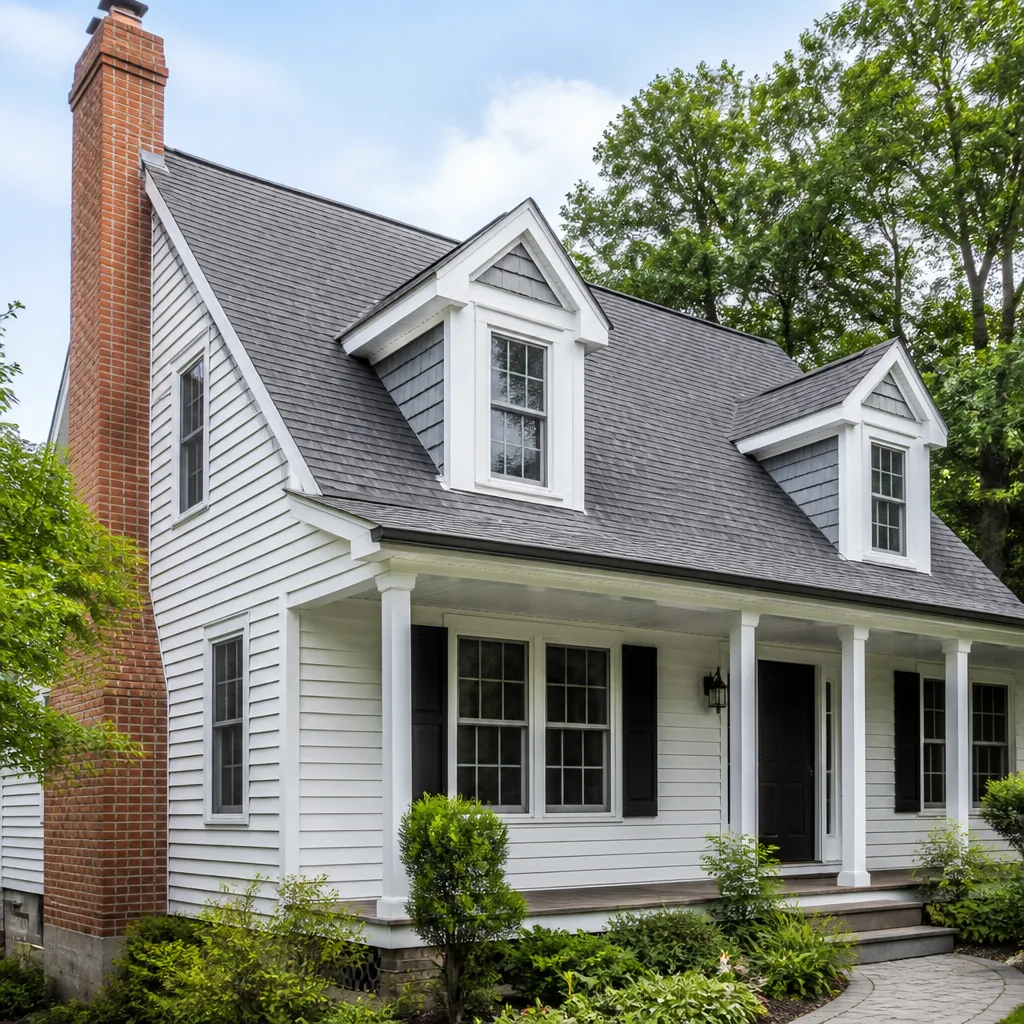 Storm response
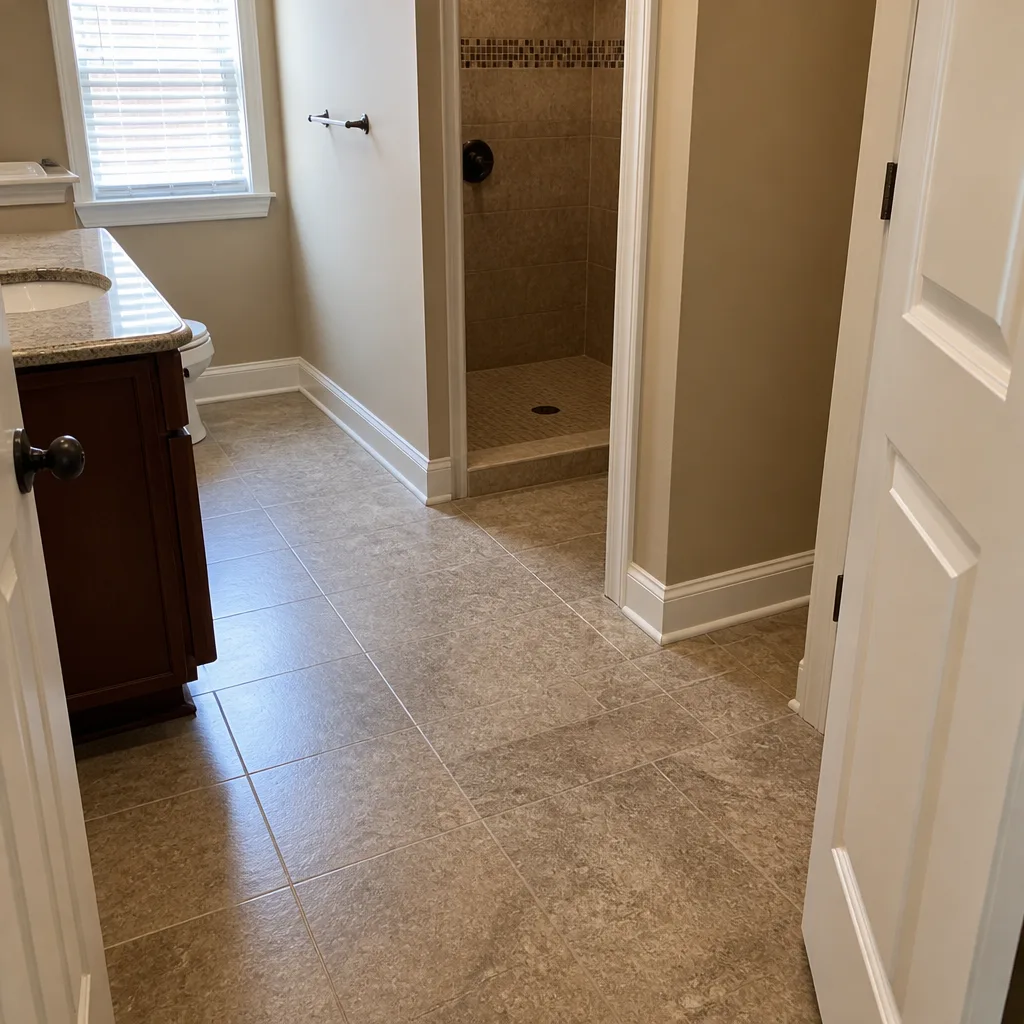 Sewage cleanup
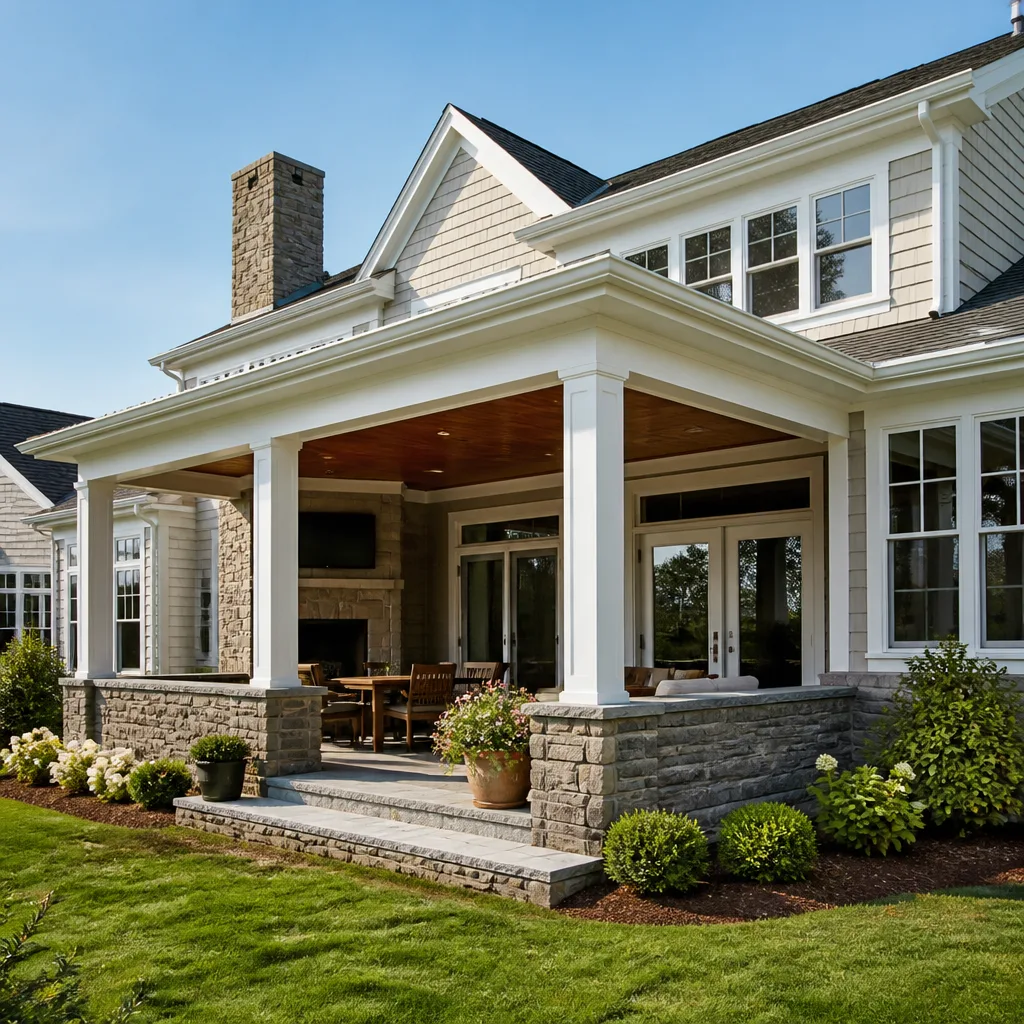 Reconstruction
Free visual inspection and a written scope of work before any mitigation begins - photos, moisture readings, and drying logs go in your claim file
The scope we write is the scope we bill. Anything new gets shown to you, in writing, before we touch it.
Get your free estimateFast, Reliable Water Damage Restoration Across Atwater Village
Water damage restoration in Atwater Village typically costs $2,800 – $7,500 for a full dry-out and repair job, with emergency extraction starting around $850. Most jobs in this neighborhood take 3 – 5 days for structural drying, though plaster walls in pre-1940 homes can extend that timeline. Our crews reach most Atwater Village addresses within 45 – 60 minutes of your call because we stage equipment locally, not across the county. Water in a 1930s bungalow doesn’t wait, and neither do we. Call (213) 349-9500 and a live person answers, day or night.
Key Takeaways
- Emergency water extraction in Atwater Village runs $850 – $1,900; full restoration jobs average $2,800 – $7,500 depending on crawl space involvement and plaster drying requirements.
- Homes here were mostly built between 1920 and 1940. Their raised foundations and lath-and-plaster walls demand different drying techniques than a modern slab home in Glassell Park or Los Feliz.
- We write a price before any work starts. The invoice is texted to you, and the number on that screen is the number you pay.
- Every job includes the 365-Day Done Right Promise in writing. If it’s not right, we fix it, free.
Restoration work we handle
Why Wendell Restoration Los Angeles Is Atwater Village’s Preferred Water Damage Restoration Company
Atwater Village homeowners call us because our technicians know what’s behind these walls before they cut into them. A 1927 Spanish Colonial on Perlita Ave and a 1938 Craftsman on Valleybrink Road share a common anatomy: lath-and-plaster over original framing, hardwood over a raised floor, and a crawl space that has probably never been properly dried after a leak. We’ve restored enough of these homes to know that a moisture meter reading on the subfloor means more than a visible stain on the ceiling.
Blake Sorensen, who leads our restoration team, trains every technician to treat vintage Atwater Village materials as assets, not demolition targets. That’s why our reviews from local homeowners consistently mention the same things: we showed up when we said we would, we didn’t push replacement when drying would do, and the price we quoted is the price they paid. You can’t fake that reputation in a neighborhood this tight-knit.
And when you call, you’ll talk to a person, not a phone tree. We’re part of the Relay Home Co. family, founded in 2006, and every location is independently owned and operated to The Relay Visibility Guarantee. That means you get a live arrival time to track, background-checked uniformed technicians, and a written scope before a single tool comes off the truck.
Emergency Water Damage Restoration in Atwater Village
Emergency Water Damage Restoration in Atwater Village means getting water out within the first hour, before it has time to travel through a 90-year-old floor system into the crawl space below. When a supply line bursts or a water heater lets go in a home on Dover Street or Brunswick Ave, the water doesn’t pool on the surface for long. It finds the gaps in original hardwood, follows the joists, and settles where you can’t see it. We extract with truck-mounted units, map the moisture, and set containment fast. Expect to pay $850 – $1,900 for emergency extraction and initial drying setup on a typical Atwater Village water loss.
Burst Pipes and Supply Line Failures
Original galvanized supply lines are still common in Atwater Village homes built before 1940. They corrode from the inside out and fail without warning, often while you’re at work. The damage is rarely contained to the visible leak site. We trace water through wall cavities and under flooring, then set up targeted drying where the moisture actually went, not just where it pooled.
Ceiling and Roof Leak Response
When an original clay tile roof cracks and water is bleeding through a plaster ceiling on Chevy Chase Drive, the first step is always the same: control the source, then contain the damage. We tarp, extract, and set up drying. Our techs photograph everything before, during, and after, and you get those photos by text so your adjuster sees exactly what we’re handling.
Water Mitigation in Atwater Village
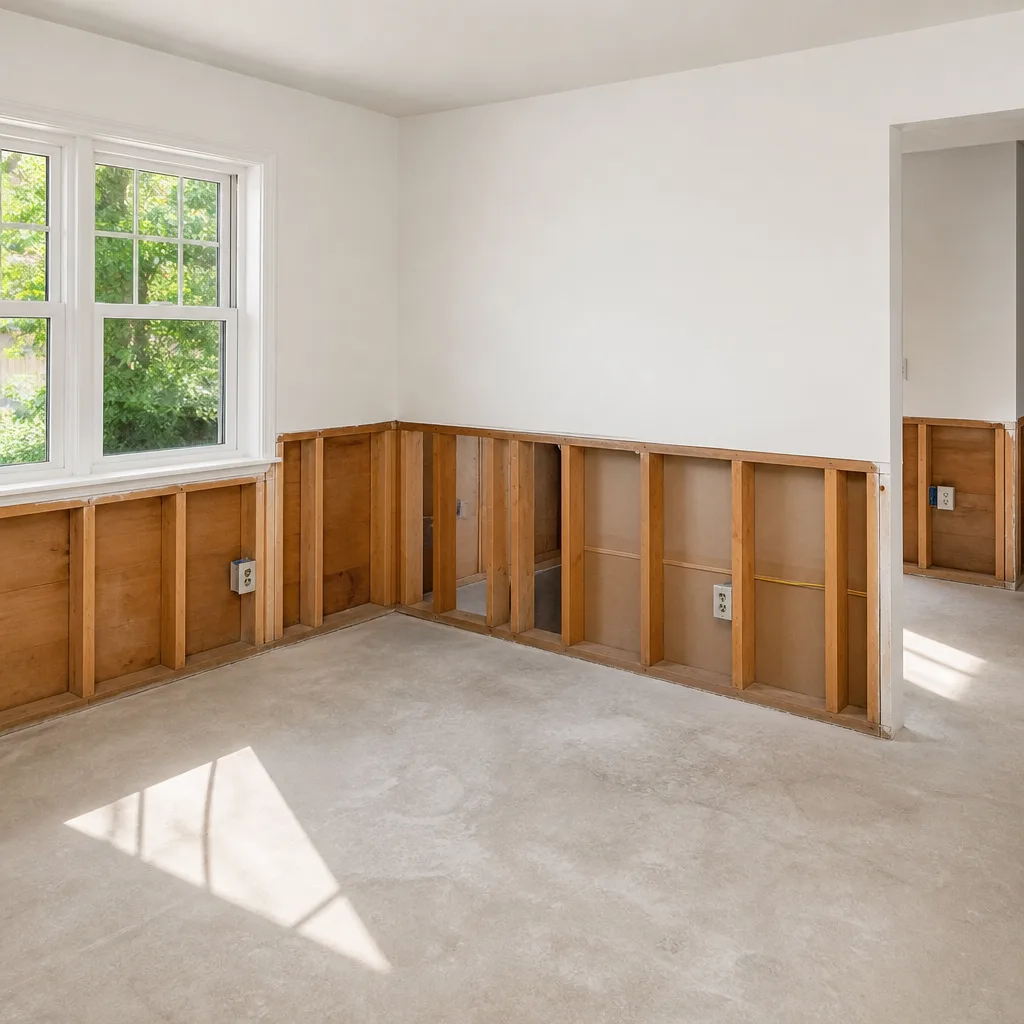
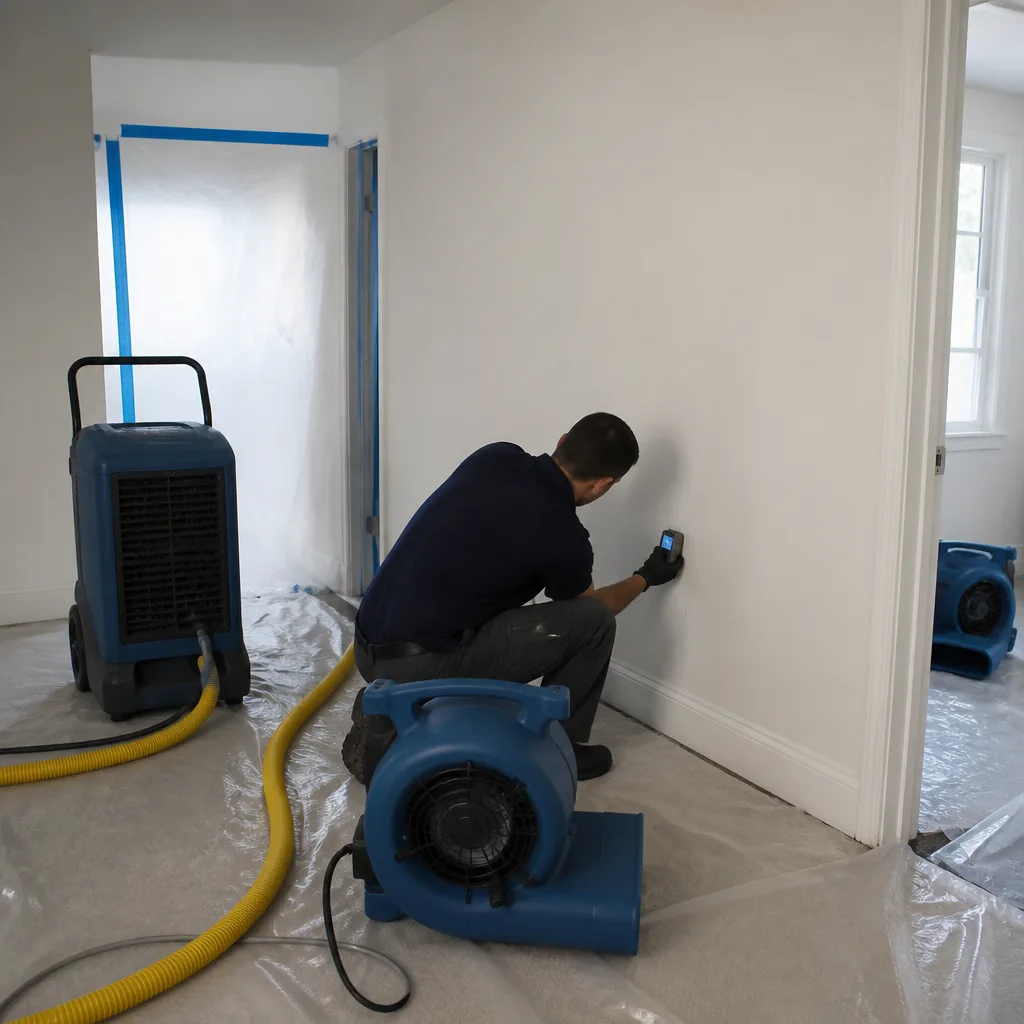
Water Mitigation in Atwater Village means stopping the spread before restoration begins. It’s the controlled, measurable process of extraction, containment, and structural drying that prevents a manageable leak from becoming a full remodel. On a typical 1930s bungalow, mitigation includes setting up a drying chamber inside the affected rooms, placing dehumidifiers and air movers, and monitoring psychrometric drying (tracking the air’s moisture level so we know when your home is truly dry, not just surface-dry) until the materials reach equilibrium. Mitigation alone ranges from $1,200 to $3,400 for most Atwater Village homes, before any repair work begins.
Crawl Space Containment and Drying
Here’s what makes Atwater Village different from most of Los Angeles: nearly every home sits on a raised foundation with an open crawl space. When water travels down through original hardwood and subfloor, it lands in that dark, ventilated cavity and lingers. We routinely set containment and dehumidification under the house because drying only the living space leaves floor joists at elevated moisture readings for weeks. That’s how you end up with cupped hardwood and musty air you can’t place. We dry the whole assembly, not just the visible layer.
Plaster-Safe Drying Techniques
Over-drying vintage plaster is a real risk. If you hit original hardcoat with maximum airflow and no moisture monitoring, it cracks, loses key (the mechanical bond into the lath), and falls. Our crews use Injectidry systems and controlled dehumidification to pull moisture out of lath-and-plaster gradually. The goal is to save the plaster, not replace it. That’s true restoration, and it’s the standard we hold on every Atwater Village job.
Trusted Brands We Service in Atwater Village
We don’t bring rental-store equipment to your house. Our drying fleet runs Dri-Eaz dehumidifiers, Phoenix axial air movers, XPOWER units, and B-Air systems, all maintained and calibrated for structural drying work. We stock the parts and filters our crews need for Atwater Village jobs, and we service the equipment brands we deploy so a failed dehumidifier doesn’t stall your drying plan. What that means for you: the equipment on your job runs at full capacity from the first hour to the last reading, and our techs actually know how to interpret the data those machines produce. If you’ve seen other restoration companies set blowers and walk away, you’ve seen why we track moisture daily and adjust the drying layout as the readings demand.
See the difference
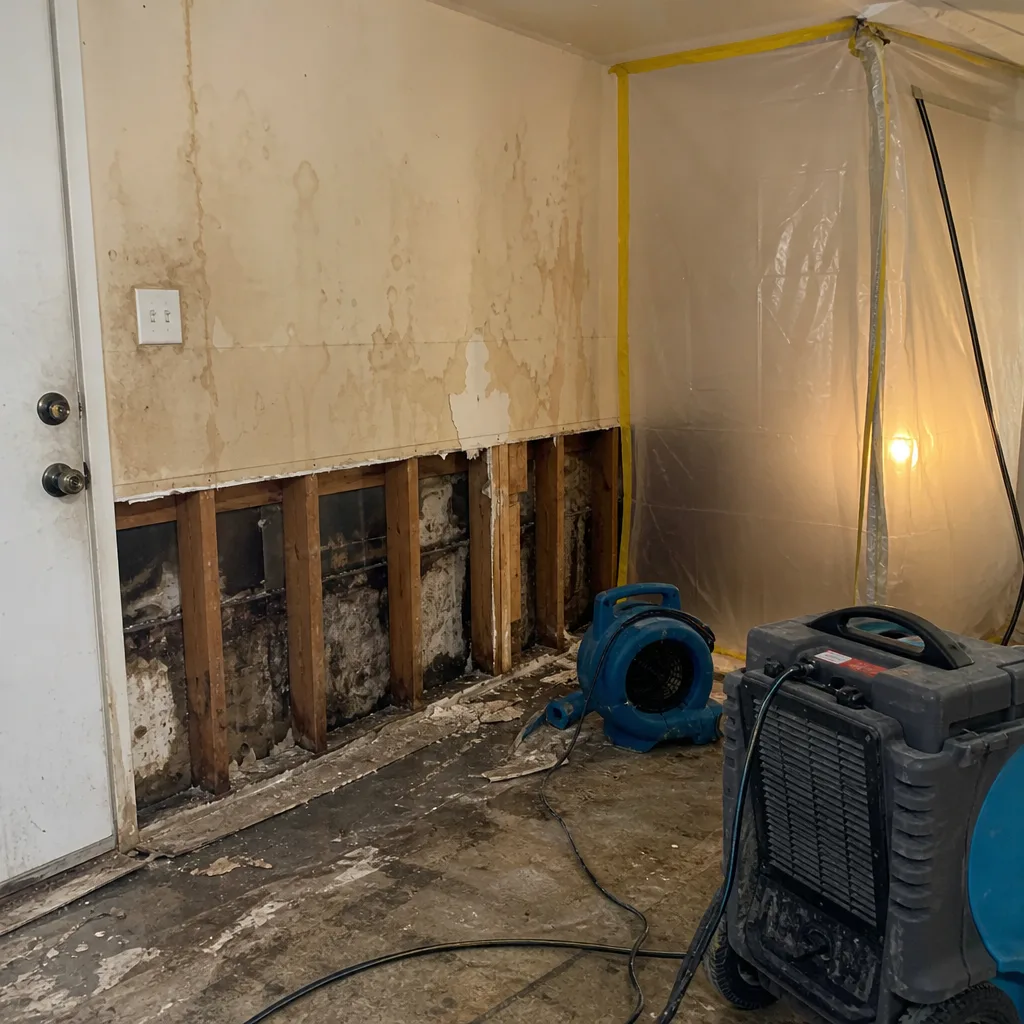 Before
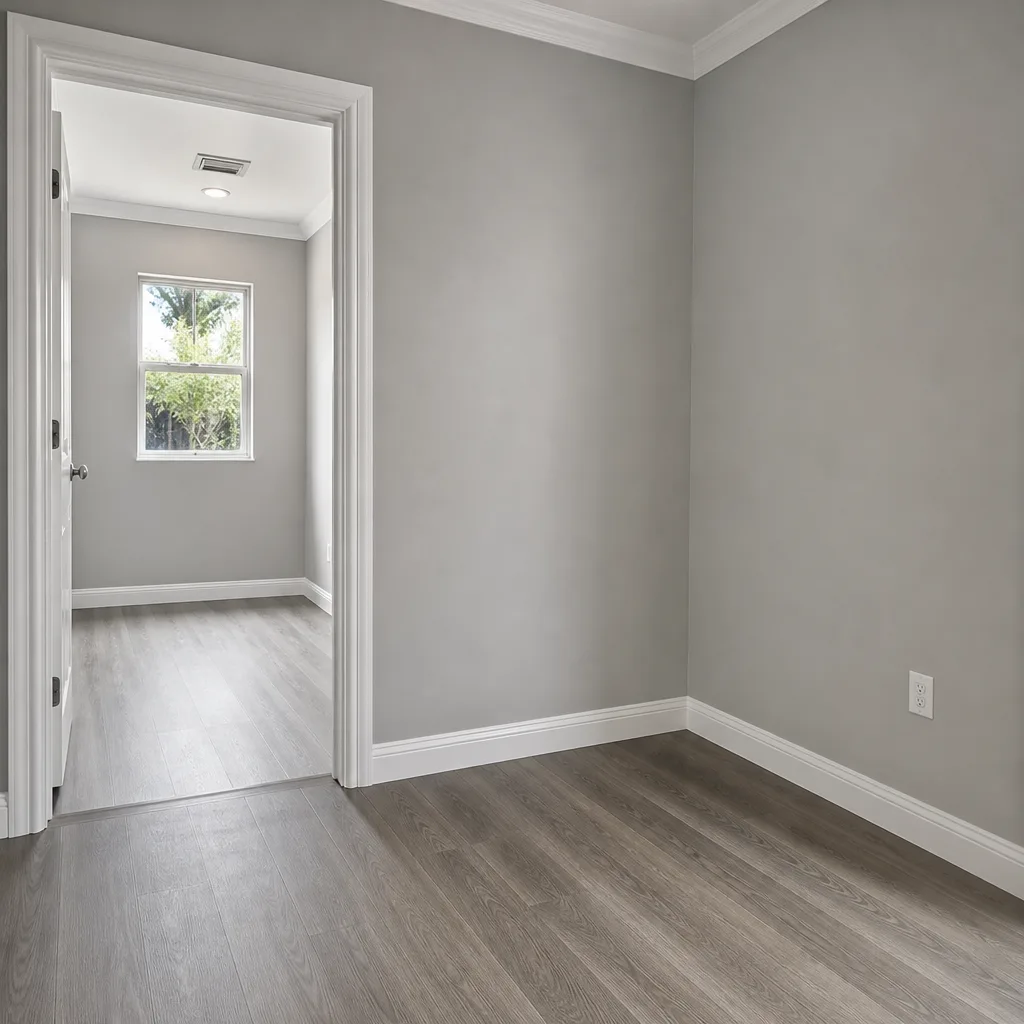 After
After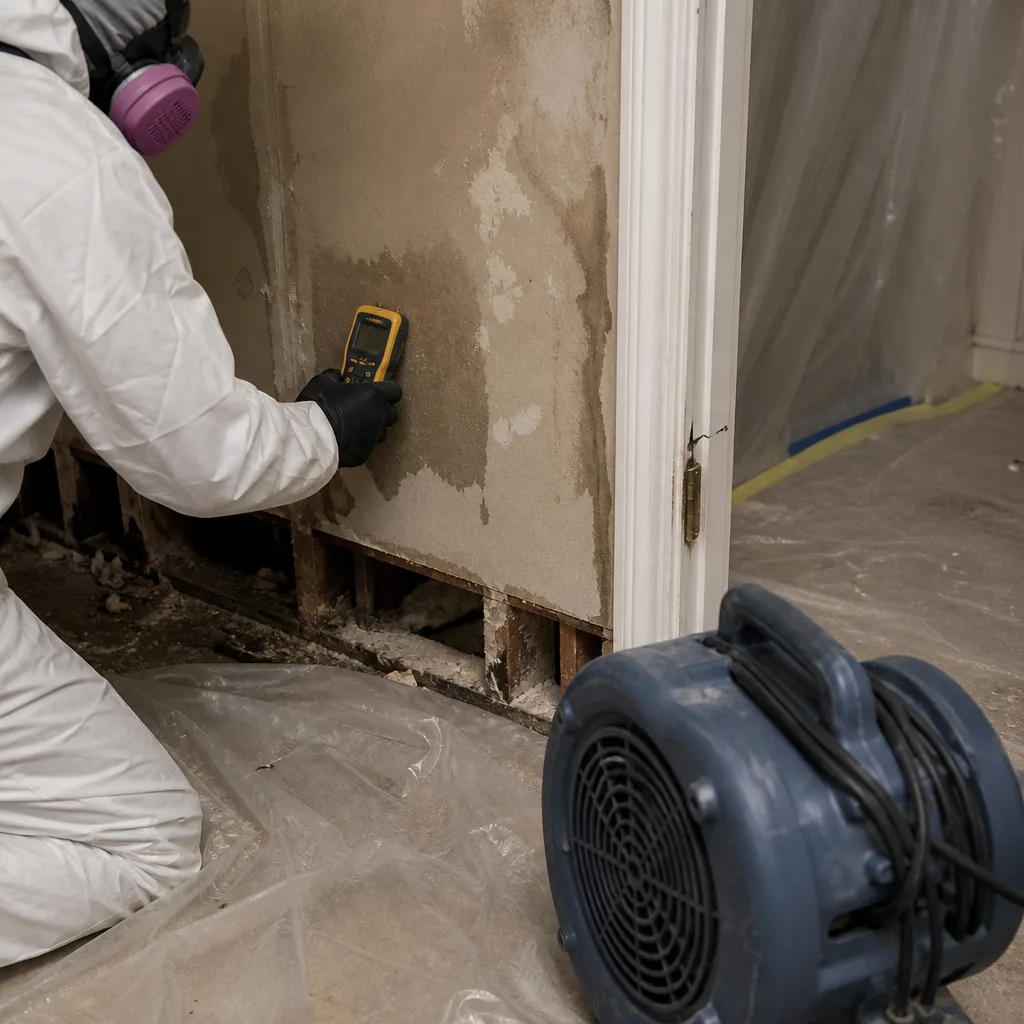 Before
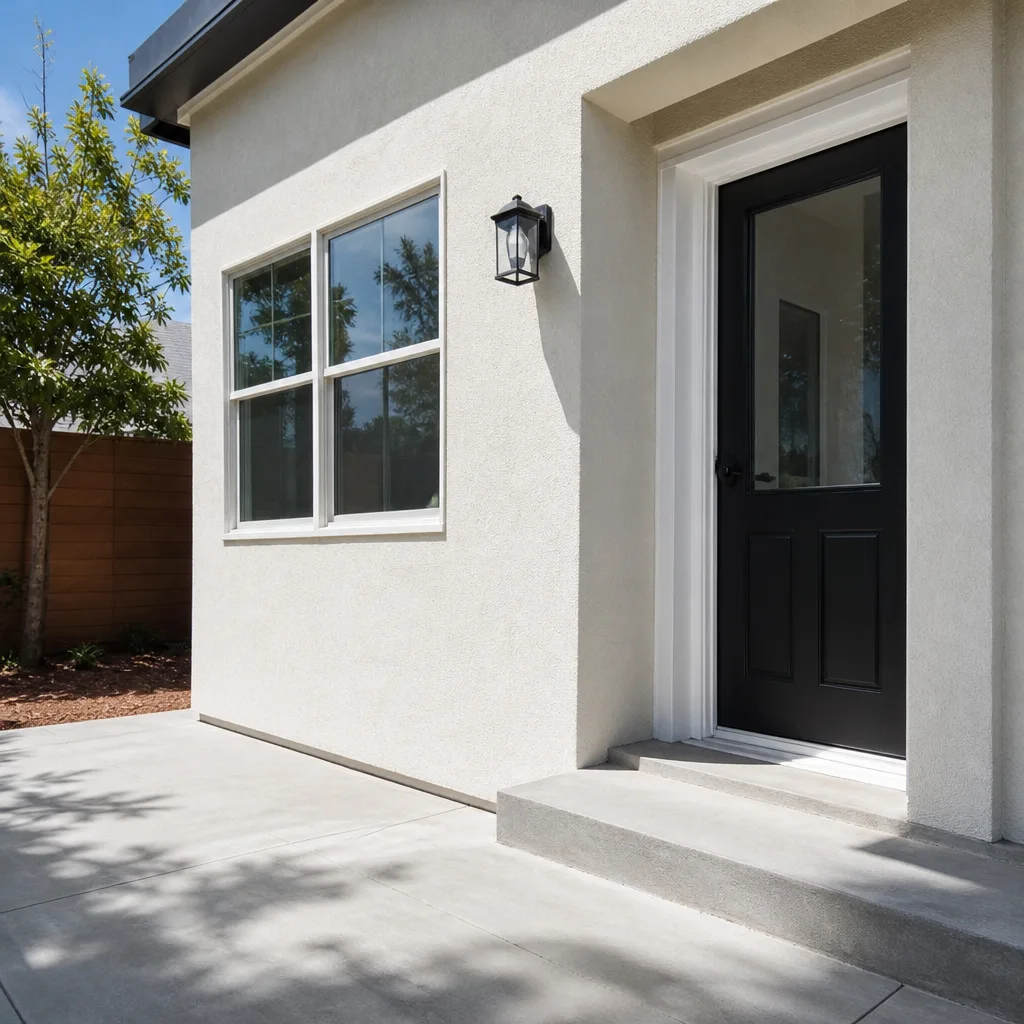 After
After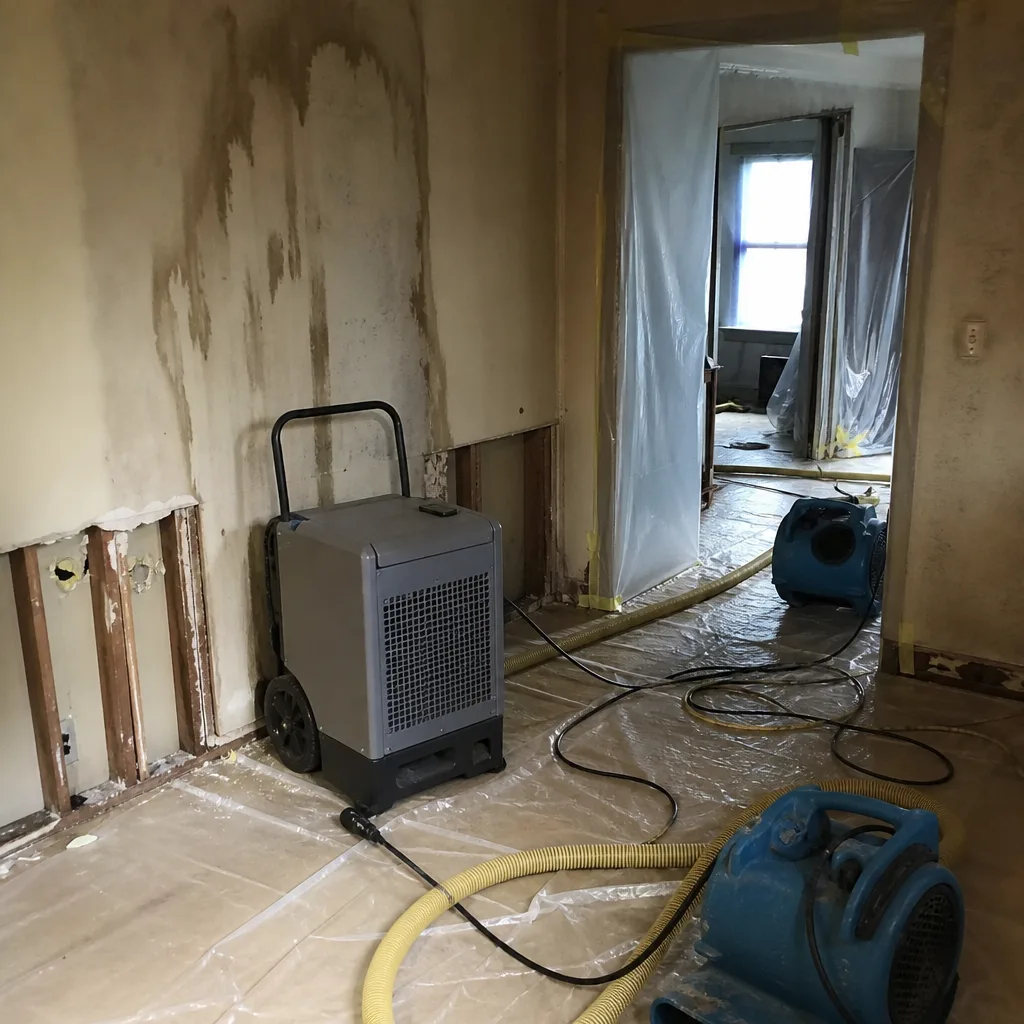 Before
 After
AfterCommon Water Damage Restoration Problems We See in Atwater Village Homes
- Hidden roof valley leaks from original clay tile. Santa Ana winds crack tiles at the valleys, water follows the underlayment, and by the time a ceiling stains, the lath above it has been wet for weeks. We see this each winter.
- Old galvanized supply lines failing inside walls. Pre-1940 plumbing corrodes from the inside. A pinhole leak behind a bathroom wall can saturate studs and plaster while the only clue is a faint musty smell.
- Raised crawl spaces retaining moisture after a “complete” dry-out. If a previous company never entered the crawl space, the floor joists are still wet. We find elevated moisture readings under perfectly dry living rooms all the time.
- Over-dried plaster cracking after aggressive air movement. We’ve walked into homes where another crew ran standard air movers at full speed on vintage plaster. The walls looked like a dry lakebed. Controlled drying matters here more than in newer construction.
Pricing for Water Damage Restoration in Atwater Village, CA
Here is what water damage restoration actually costs in Atwater Village, based on the jobs we see most often. Emergency water extraction runs $850 – $1,900. Full water mitigation including crawl space containment and 3 – 5 days of structural drying lands between $1,200 and $3,400. Reconstruction and repair work after drying, like plaster patching, hardwood refinishing, or replacing damaged trim, generally adds another $1,500 – $4,000 depending on the rooms involved. A full-service restoration from call to final walkthrough typically totals $2,800 – $7,500 for Atwater Village homes. What moves you up or down the scale: square footage, crawl space access, whether the roof system is involved, and how long the water sat before discovery. The price you receive from us is written before any work starts, texted to your phone as a digital invoice, and it does not change unless the scope changes in writing. Call (213) 349-9500 for an exact quote. Estimates are free, and they come from a person, not an algorithm.
We Also Serve Cities Near Atwater Village
Our crews regularly cross the LA River for water losses in Atwater Village itself, and we serve neighboring areas including Los Angeles, North Hollywood, Culver City, and Beverly Hills. If you’re a homeowner in any of these neighborhoods dealing with standing water, burst plumbing, or a failed roof, call (213) 349-9500 and we’ll get a crew routed to you from our Los Angeles office. Same live answer, same written pricing, same standard of work.
Serving Atwater Village, CA - Our Local Coverage Area
We’re based in the Atwater Village area and know this community well. Use the map below to see our service coverage - if you’re nearby, we can almost certainly help.
FAQs About Water Damage Restoration in Atwater Village
We assess the moisture content of the plaster first, then design a drying plan around that number. Lath-and-plaster holds moisture differently than drywall and too aggressive drying will crack it. We use Injectidry systems and controlled dehumidification to dry plaster in place. The goal is preserving the original material, not gutting the room.
We check the roof valley and underlayment at the source, then map the moisture path through the attic and along the ceiling joists. Original clay tile roofs funnel water in predictable ways, and the leak you see on the ceiling is rarely at the same point where water is entering. We trace the full path before we start demolition or drying.
Not always. If the floor system is hardwood over a subfloor and the water sat for less than 72 hours, we can often dry it in place with top-side and crawl space drying methods. The longer it sits, the more likely the finish is damaged beyond salvage. We’ll give you a straight answer after we take moisture readings and look at the floor’s condition, not before.
Yes. Every water mitigation job we run includes a daily drying log with moisture content readings, temperature, humidity, and equipment layout changes. You get those logs, plus before-and-after photos by text, so your adjuster has everything they need without asking for it. We coordinate directly with insurance carriers on Atwater Village claims.
In many cases, yes. We extract the standing water immediately, set drying equipment on both sides of the floor, and monitor the moisture content of the wood daily. Cupping is often reversible if the wood isn’t allowed to stay wet. Our crews have restored original oak flooring in Atwater Village hallways that other companies recommended tearing out. The key is speed and controlled drying, not maximum airflow.
Call (213) 349-9500 now for a free estimate on water damage restoration in Atwater Village. A live person answers, gives you a straight price, and gets a crew moving. You’ll know who’s coming, when they’ll arrive, and exactly what it will cost before any work begins.
Written by Blake Sorensen, who leads water damage restoration for Wendell Restoration Los Angeles, serving Atwater Village homeowners with IICRC-standard practices and honest, upfront pricing.