
 Water damage drying
 Fire & smoke cleanup
 Mold remediation
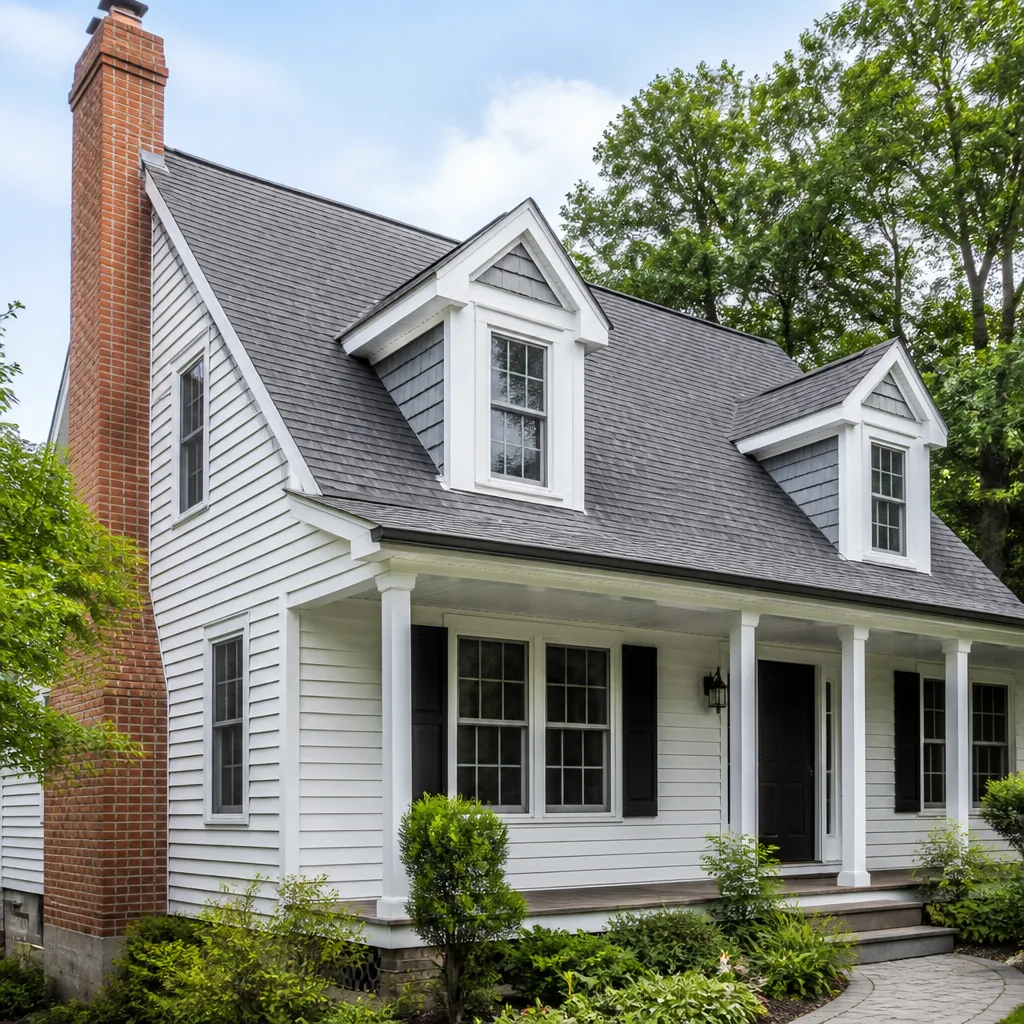 Storm response
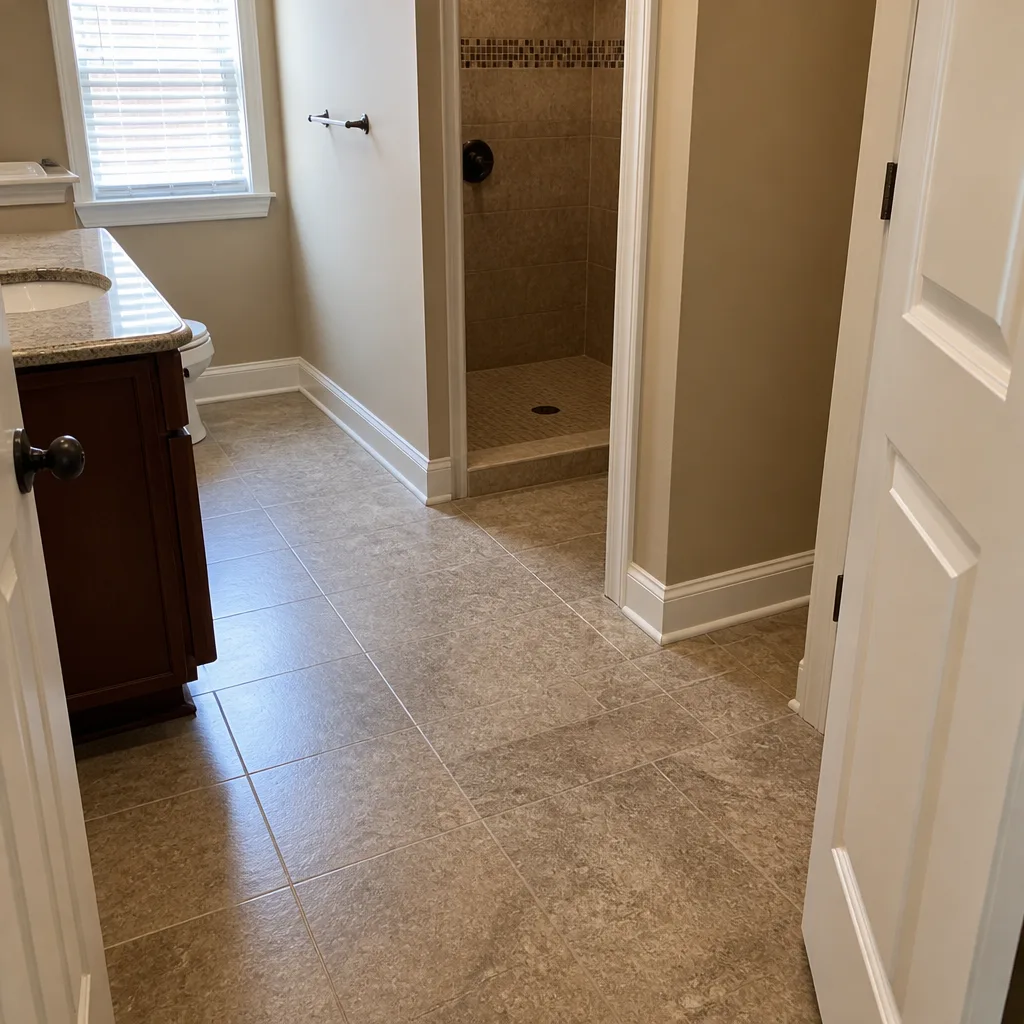 Sewage cleanup
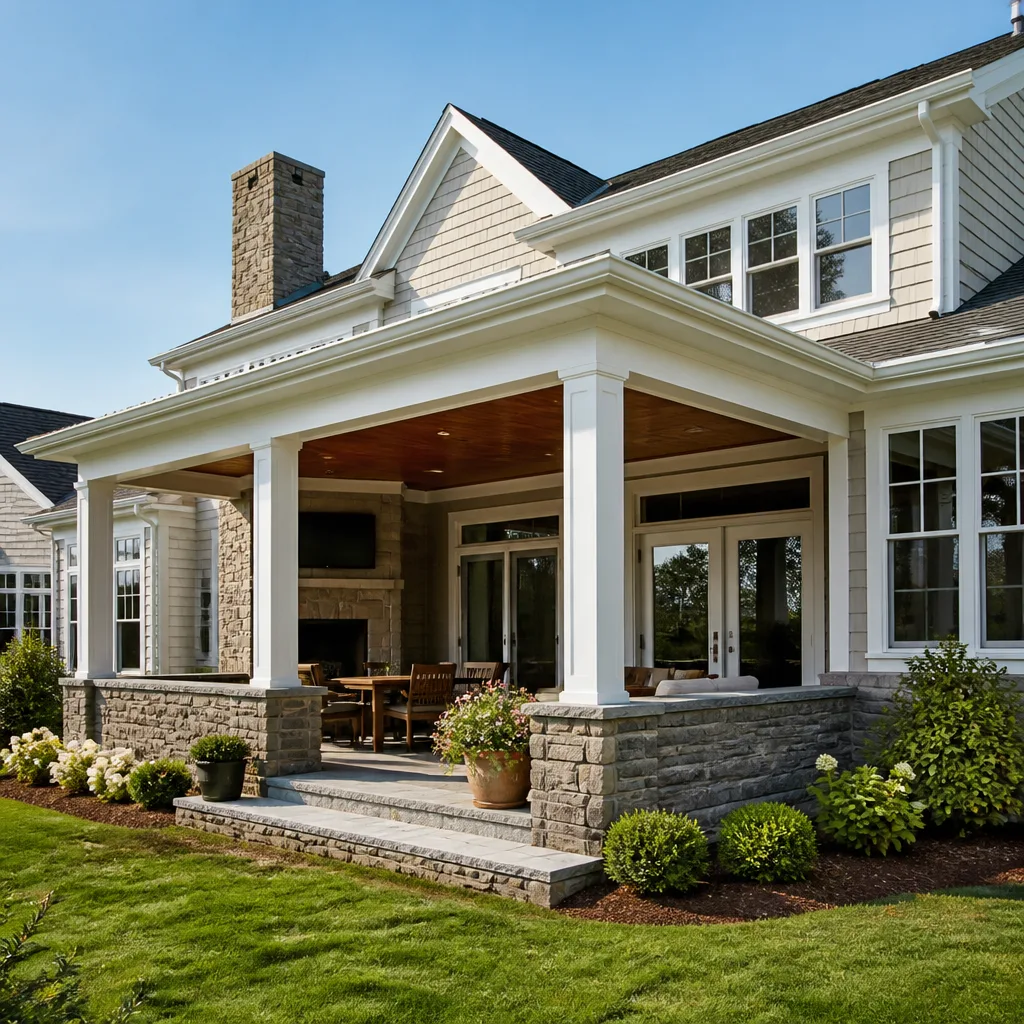 Reconstruction
Free visual inspection and a written scope of work before any mitigation begins - photos, moisture readings, and drying logs go in your claim file
The scope we write is the scope we bill. Anything new gets shown to you, in writing, before we touch it.
Get your free estimateFast, Reliable Water Damage Repair Across Atwater Village
Water damage in Atwater Village rarely announces itself politely. It spreads behind lath-and-plaster walls, pools under raised foundations, and soaks through original clay tile roofs before you ever see a stain. If you’re staring at a ceiling bubble on Glendale Boulevard or a musty crawl space off Brunswick Avenue right now, you need someone who knows exactly how 1920s and 1930s homes in this neighborhood behave when they get wet. Wendell Restoration Los Angeles responds to Atwater Village calls fast, puts your price in writing before any work starts, and sends background-checked technicians who arrive with a live tracking link, not a four-hour window. Call (213) 349-9500 and a live person answers, any hour of the night.
Why Wendell Restoration Los Angeles Is Atwater Village’s Preferred Water Damage Repair Company
Atwater Village homeowners call us because we treat a 1930s Spanish Colonial on Chevy Chase Drive differently than a mid-century box in the Valley. Those homes are not the same building, and they do not dry the same way. Our crews work under IICRC, RIA, and IFA standards, and we carry equipment from Dri-Eaz, Phoenix, and XPOWER, the same brands used on commercial loss sites. That matters when you’re dealing with lath-and-plaster walls that hold moisture like a sponge and raised crawl spaces that hide rot for months before you smell it.
We founded Wendell in 2006, and every Atwater Village job runs through The Relay Standard: book in a tap, track your technician’s live arrival time, get photo updates by text while work happens, and receive a written price before anything gets torn out. You’ll also get a digital invoice you can pay from a link, with before-and-after photos attached. No other restoration company we know of in this neighborhood operates that transparently, and once you’ve had a crew inside your walls, you’ll understand why that matters.
Calls to (213) 349-9500 are answered by a person, 24/7. Not a voicemail. Not a callback queue. Water damage on a Saturday night in Atwater Village does not wait for Monday, and neither do we.
Restoration work we handle
Water Damage Inspection in Atwater Village
Water Damage Inspection in Atwater Village is the first step before any repair, and on these older homes it is the difference between a $400 dry-out and a $14,000 rebuild. We use moisture meters and thermal imaging to trace water through lath-and-plaster walls, under hardwood floors, and into raised foundation crawl spaces where standing water can hide for weeks. If you’ve noticed a musty smell near Fletcher Drive or a soft spot in your floorboards off Los Feliz Boulevard, an inspection tells you exactly how far the water traveled, not just where it pooled.
A Water Damage Inspection for an Atwater Village home typically runs $150 to $350, and we credit that amount toward repairs if you hire us. It includes moisture mapping (we record readings room by room so you can see the wet and dry zones), a written scope of what needs drying versus what needs cutting out, and a plain-English explanation of the findings. Blake Sorensen, who leads our Los Angeles team, reviews every inspection report before it reaches you.
Moisture Mapping for Vintage Plaster Walls
On a 1928 bungalow, water travels inside wall cavities along wooden lath strips, not just downward. Our moisture mapping reads through the plaster surface to find elevated moisture behind walls that still look dry to the eye. That’s how we catch the hidden damage other companies miss.
Crawl Space Assessment After a Leak
Raised foundations are common across Atwater Village, and they create a whole second floor of concern. We inspect joists, subflooring, and vapor barriers under the house, because water that drains from a ceiling leak often ends up sitting under your floors, not on them.
Water Damage Ceiling in Atwater Village
Water Damage Ceiling repair in Atwater Village almost always traces back to one of two things on these older homes: a cracked clay tile roof letting rain through during winter storms, or a failed pipe running through decades-old ceiling cavities. Either way, the ceiling stain you see is usually the smallest part of the problem. The water has traveled, and on original plaster ceilings it has likely saturated the lath above before it ever dripped onto your floor.
Ceiling water damage repair in Atwater Village typically runs $900 to $2,800 depending on the size of the affected area, whether we can dry the plaster in place or need to cut it out, and whether we have to match original texture. If the ceiling is original plaster with a hand-troweled finish, we push hard to preserve it rather than replace it with drywall, because a matched plaster repair looks better in a 1930s Spanish Colonial and keeps your home’s character intact.
Drying Plaster Ceilings Without Losing the Finish
We use low-grain refrigerant dehumidifiers from Dri-Eaz and Phoenix paired with air movers to dry lath-and-plaster ceilings from both sides when access allows. The goal is getting the structure dry before the plaster softens and crumbles. If we catch it early, we save the ceiling.
When the Lath Has to Come Out
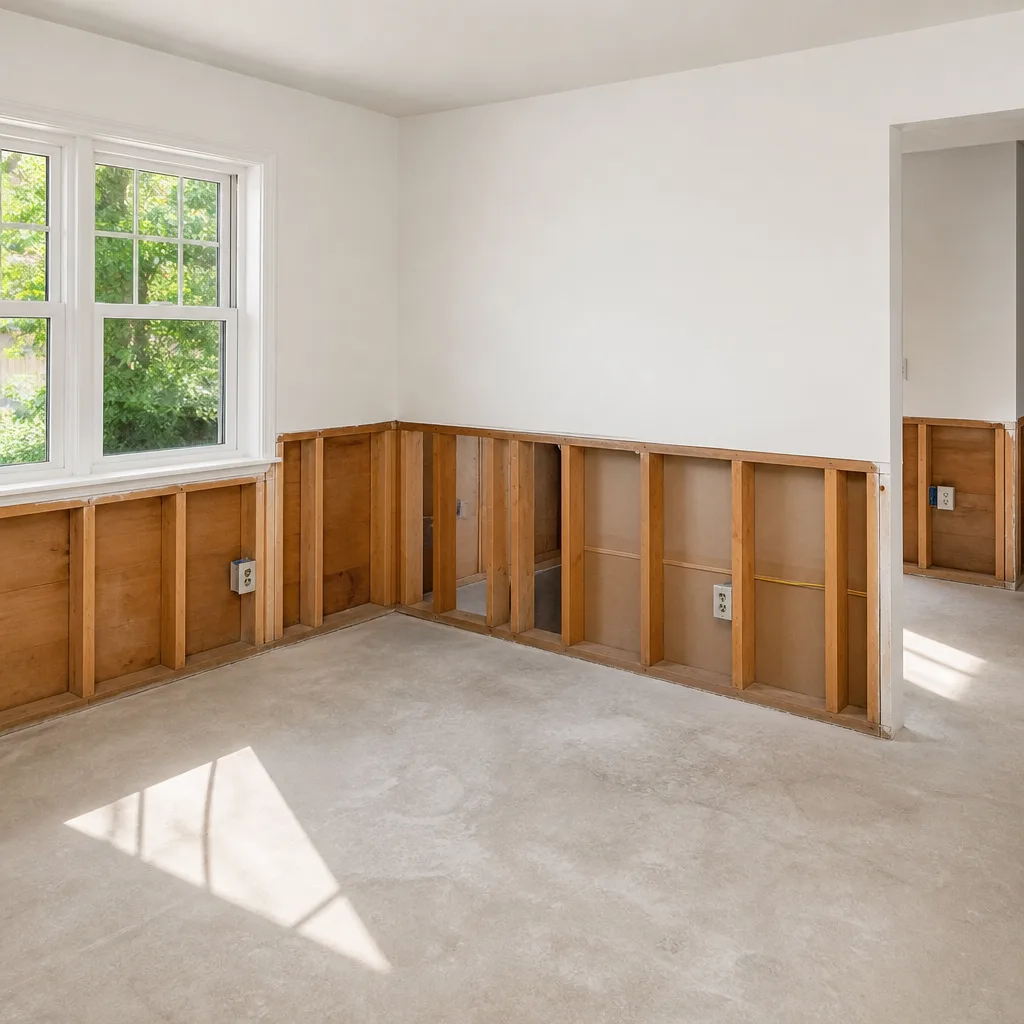
If dry rot has already set into the wooden lath strips, keeping the plaster is not an option. We cut back to solid material, treat the cavity with an antimicrobial, and rebuild with a plaster-match finish that blends with the surrounding texture. You’ll get before-and-after photos by text so you can see what was behind the stain.
Our Water Damage Repair team coordinates ceiling work with crawl space drying, because water from above always ends up somewhere below in these raised-foundation homes.
Trusted Brands We Service in Atwater Village
We run dehumidifiers and air movers from Dri-Eaz, Phoenix, and XPOWER on Atwater Village jobs, and we pair them with Injectidry systems for hard-to-reach cavities inside plaster walls. Because we stock these machines and their parts locally in Los Angeles, we can usually start drying your home the same day rather than waiting on equipment from a regional warehouse. If you’ve got a Phoenix LGR dehumidifier that’s failed mid-job, or an XPOWER fan that burned out, we can service and replace components faster than most outfits can even schedule a callback. Our technicians know these machines inside and out, and they’ll tell you when a unit is worth repairing versus replacing before you spend a dollar.
Common Water Damage Repair Problems We See in Atwater Village Homes
- Hidden moisture inside lath-and-plaster walls. Water travels laterally along wooden lath strips and settles in wall cavities, so the visible stain is often a fraction of the actual wet area. We find this on nearly every older Atwater Village home we inspect after a leak.
- Standing water in raised foundation crawl spaces. Atwater Village bungalows sit above shallow crawl spaces that collect water from roof leaks and plumbing failures. If it’s not extracted and dried properly, you’ll get wood rot and a musty smell that returns months later.
- Cracked clay tile roofs after Santa Ana winds. Original tile roofs on 1920s and 1930s homes crack under wind stress, and the next rainstorm pushes water directly into ceiling cavities. The leak often shows up far from the crack, which makes tracing it tricky without moisture mapping.
- Assumed-clean water that is not clean. Water from a roof leak starts as category 1, but by the time it passes through decades-old ceiling cavities packed with dust, rodent debris, and deteriorated insulation, it can behave like category 2. We recommend antimicrobial treatment in these situations rather than a simple dry-out.
See the difference
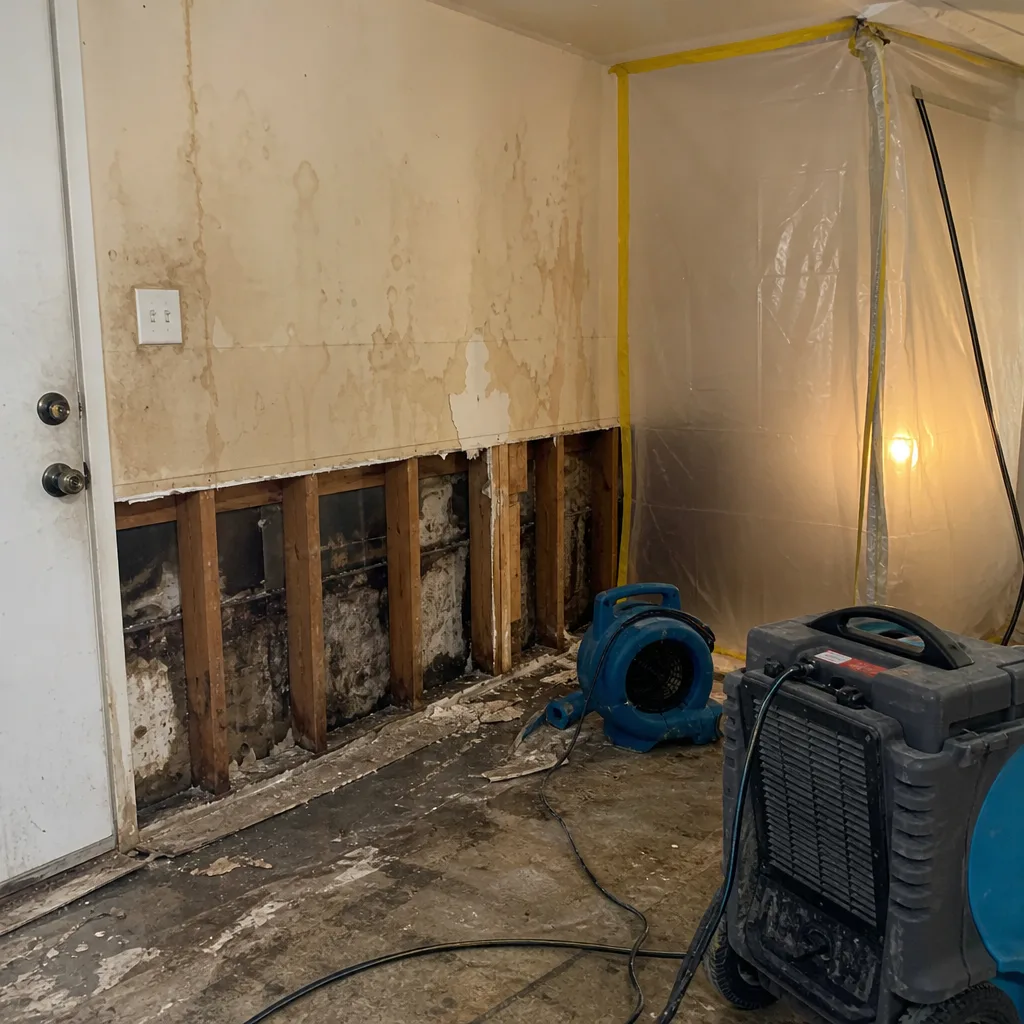 Before
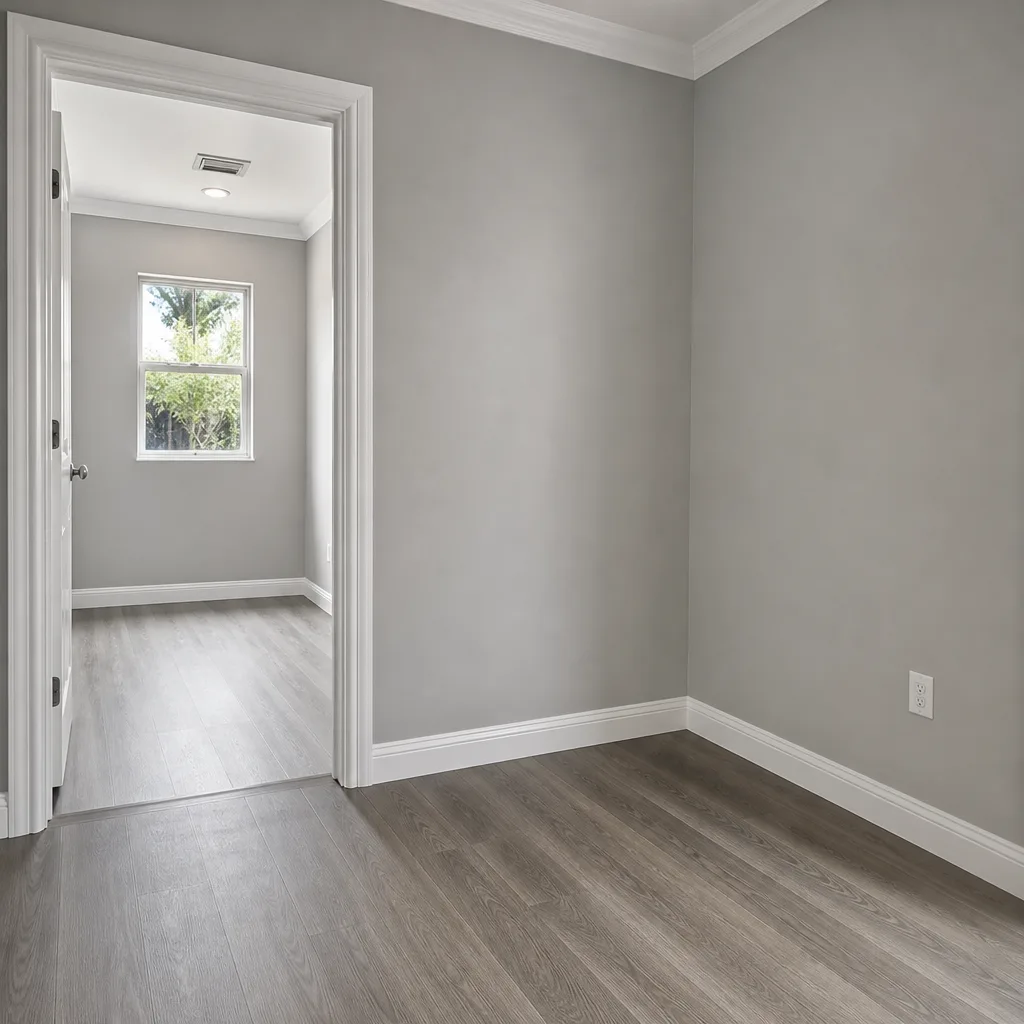 After
After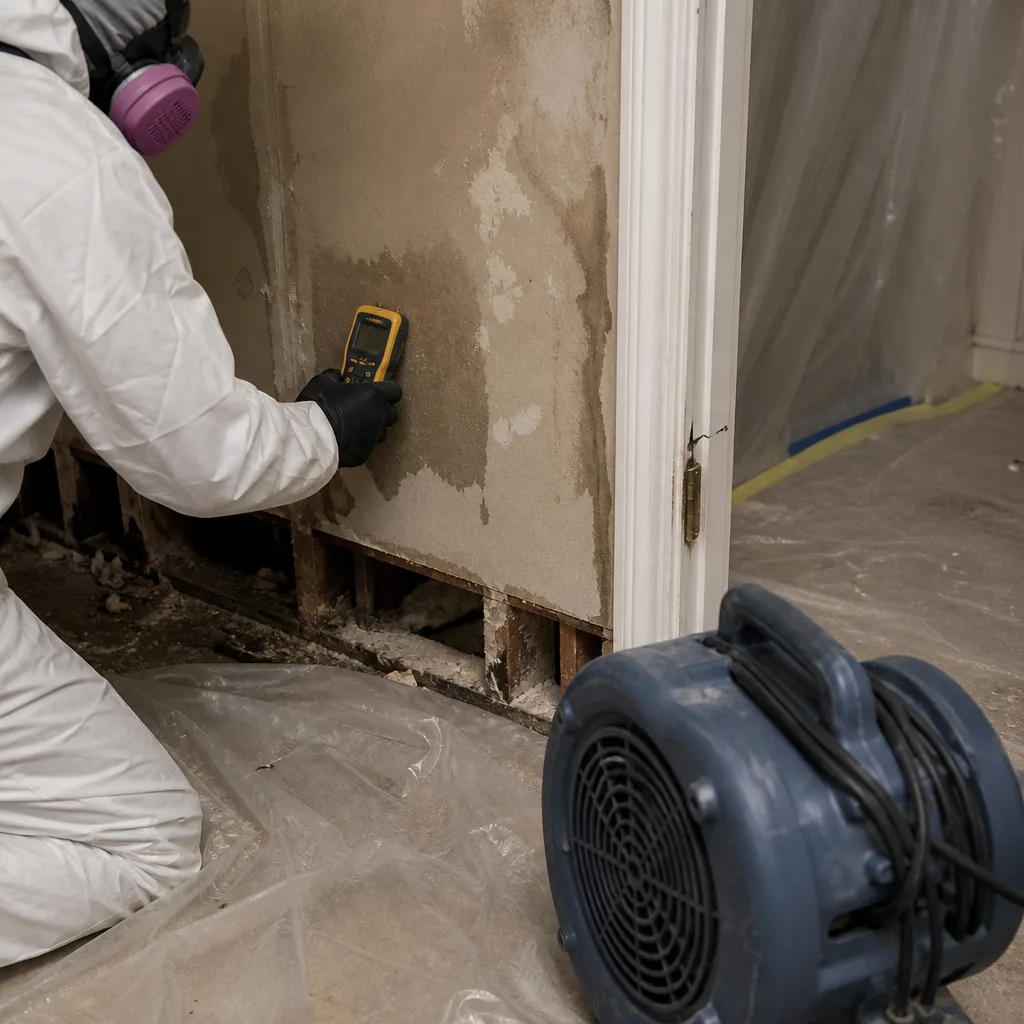 Before
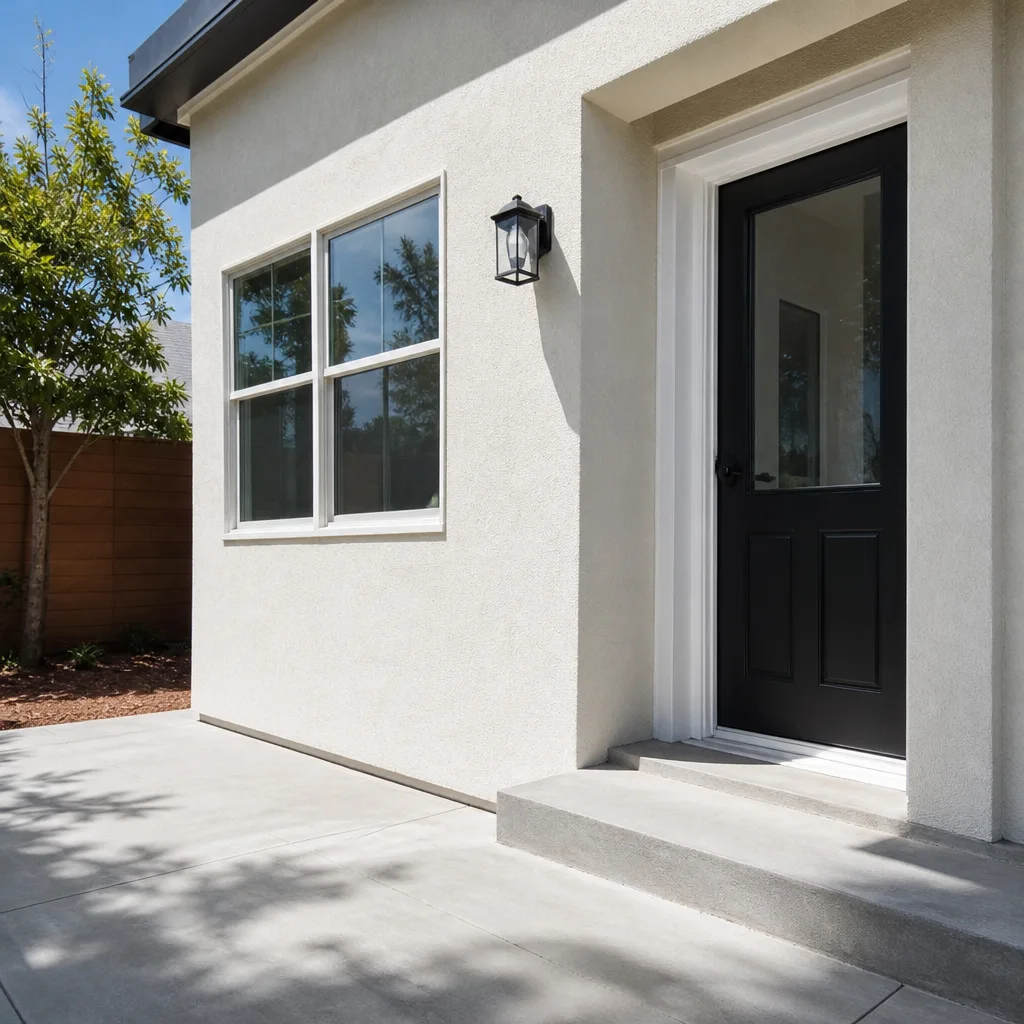 After
After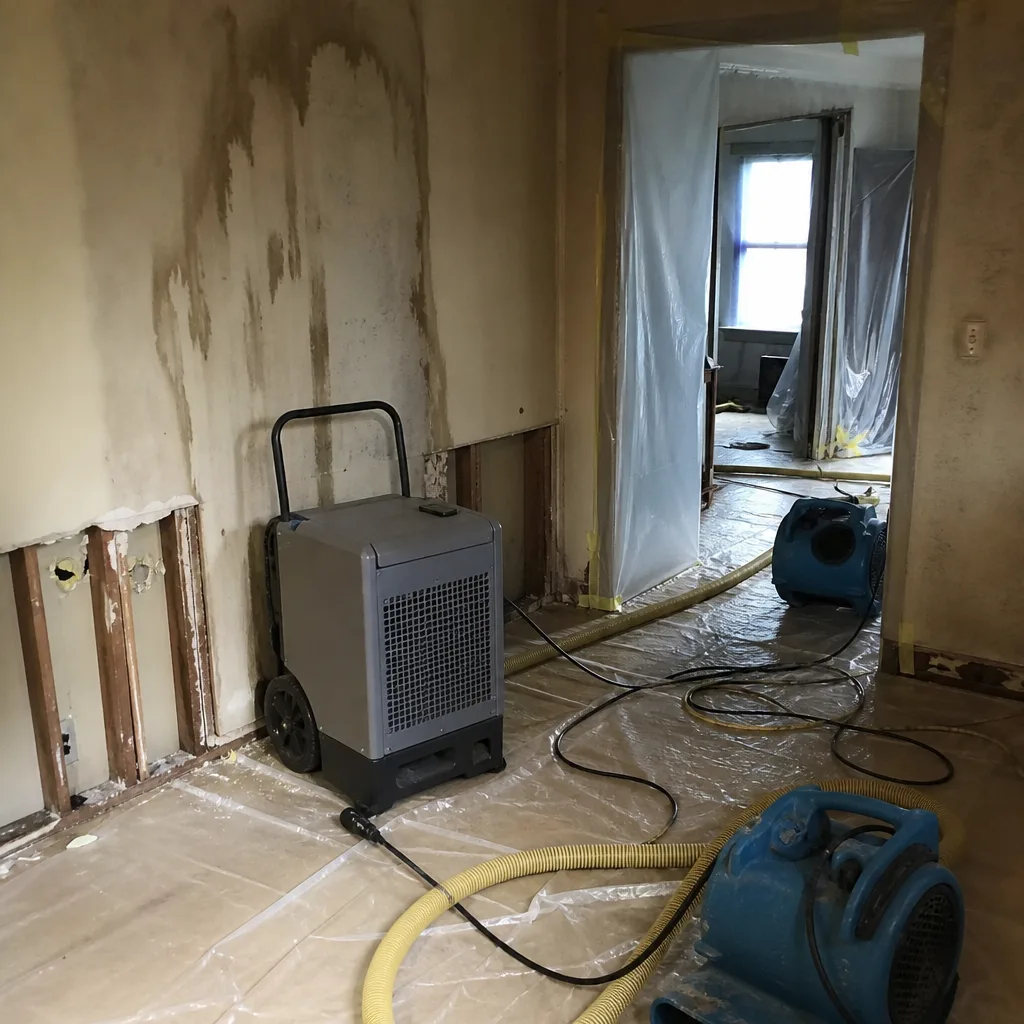 Before
 After
AfterPricing for Water Damage Repair in Atwater Village, CA
Here’s what water damage repair actually costs in Atwater Village, based on the jobs we’ve priced across this neighborhood. A small ceiling stain from a single roof leak runs $900 to $1,800. A moderate ceiling collapse with plaster removal and rebuild runs $2,000 to $4,500. A crawl space extraction and drying after a winter storm runs $1,200 to $3,000. A full moisture-mapped dry-out of a lath-and-plaster wall cavity runs $1,500 to $3,500. These are real ranges for this housing stock, not national averages. What changes the number is how far the water traveled, whether the plaster can be saved, and whether we’re dealing with a clean-water leak or something that needs antimicrobial treatment. You’ll get a written price before any work starts, and that number is what you pay. Call (213) 349-9500 for a free estimate, and we’ll walk you through it honestly.
Atwater Village’s specific climate matters here too. The hot, dry summers speed up drying once we get air moving, but the infrequent heavy winter rains can saturate clay tile roofs and overwhelm old drainage, pushing water into places it has not been in decades. That seasonal pattern means we see a rush of hidden-leak calls from this neighborhood every winter, and the homes that get inspected early always cost less to fix.
For residents across Atwater Village, from the streets off Glendale Boulevard to the blocks near the LA River, we bring the same written-price guarantee and live arrival tracking on every job.
The Reality of Water Damage in Atwater Village’s Vintage Homes
Most restoration guides are written for drywall and slab foundations. Atwater Village is not that. When water gets behind a plaster wall in a 1928 bungalow, it does not just wet the surface, it soaks into the wood lath, runs down inside the wall cavity, and puddles on the sill plate above the crawl space. You cannot see any of that from the living room. You need moisture meters, thermal imaging, and someone who knows what a wet plaster wall feels like compared to a dry one. Our crews train specifically on these vintage materials, and we’ve spent years mapping how water moves through raised-foundation bungalows off Brunswick Avenue and Chevy Chase Drive.
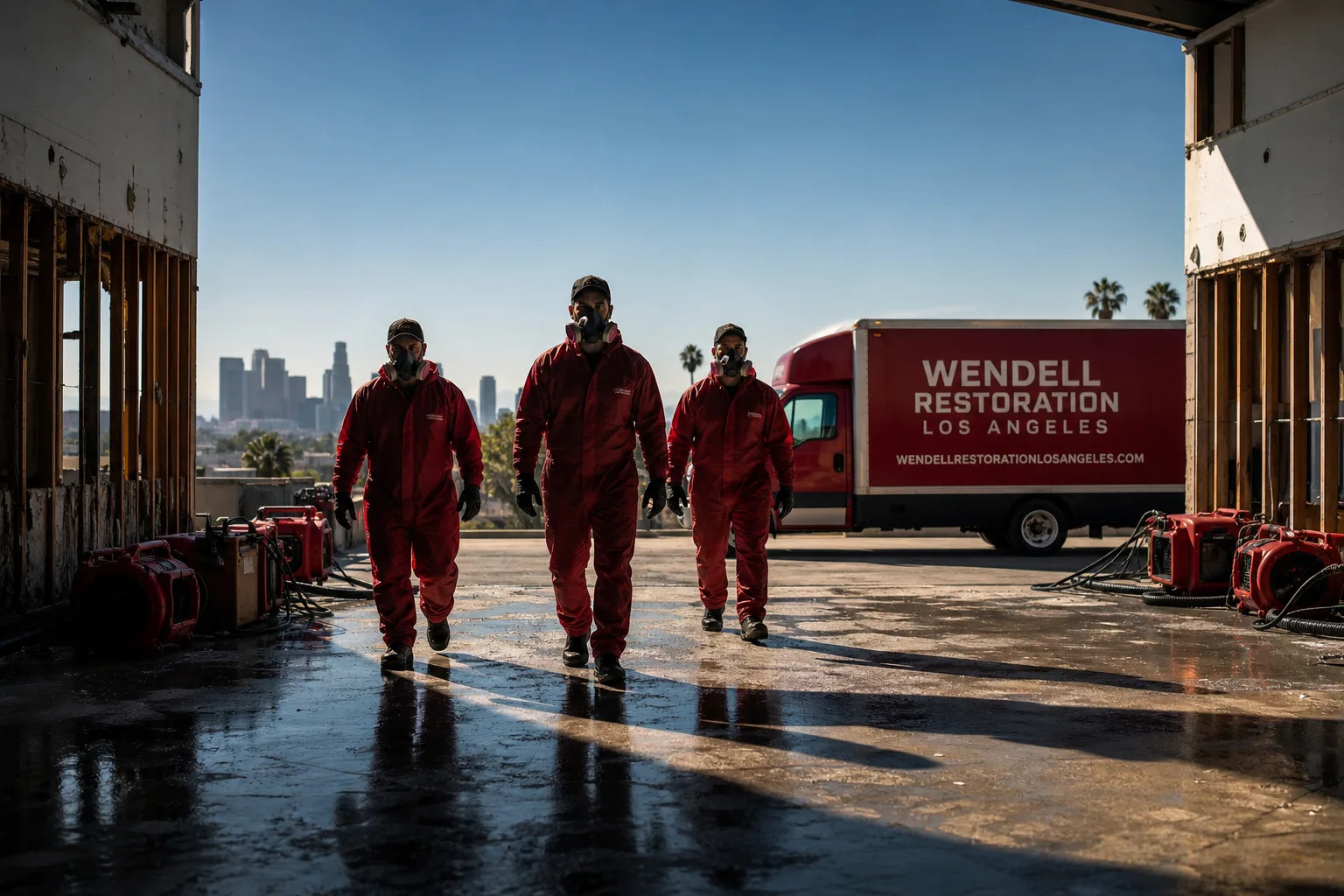
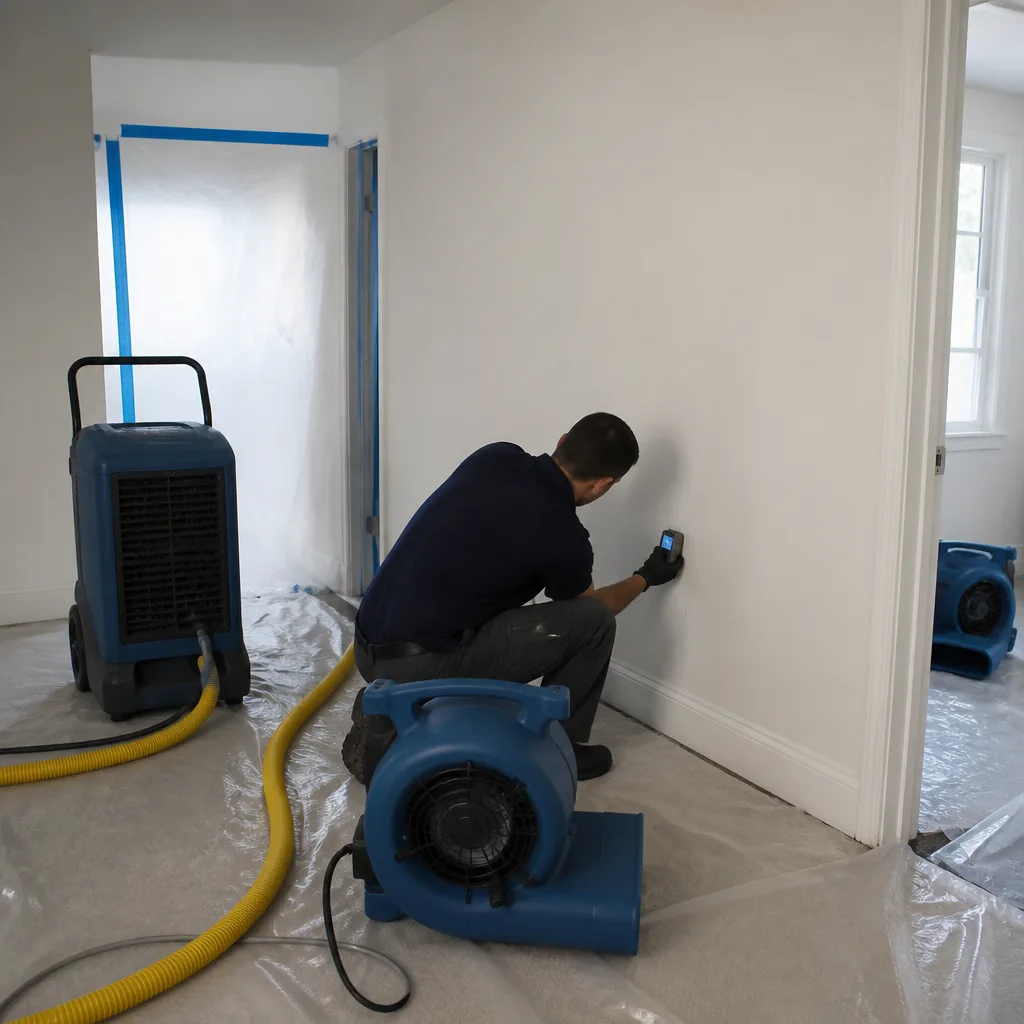
After a heavy winter storm, our crew responded to a 1930s Spanish Colonial on Glendale Boulevard where wind-driven rain had soaked through cracked clay tiles. We set up containment, extracted standing water from the crawl space, and placed Dri-Eaz air movers and dehumidifiers to dry the lath-and-plaster walls to pre-loss moisture readings, preventing mold and preserving the original plaster. A drywall company would have gutted that house. We saved the walls.
That is the difference between a restoration company that treats every home the same and one that knows Atwater Village’s homes are not all the same. The 1920s Craftsman off Fletcher needs a different drying plan than the 1930s Spanish Colonial off Los Feliz Boulevard, and the 1940s bungalow with a replaced drywall ceiling somewhere is a different job entirely. You want a crew that’s done all three.
We Also Serve Cities Near Atwater Village
Our crews cover Atwater Village and the surrounding Los Angeles area, including Los Angeles proper, North Hollywood, Culver City, and Beverly Hills. If you’re just outside the neighborhood and dealing with water damage, call (213) 349-9500 and we’ll confirm coverage and response time for your address. We know these neighborhoods’ housing stock as well as we know Atwater Village’s.
Serving Atwater Village, CA - Our Local Coverage Area
We’re based in the Atwater Village area and know this community well. Use the map below to see our service coverage - if you’re nearby, we can almost certainly help.
FAQs About Water Damage Repair in Atwater Village
We dry lath-and-plaster walls slowly and from both sides when possible. The technique involves low-grain dehumidifiers from Dri-Eaz or Phoenix removing moisture from the air while air movers direct airflow across the plaster surface and into wall cavities through access holes. The key is not blasting hot, dry air directly at old plaster, which causes rapid shrinkage and cracking. We monitor moisture readings daily and adjust airflow until the plaster returns to its pre-loss moisture content. In most cases, this saves the original finish. Call (213) 349-9500 if you’re seeing bubbling or staining on a plaster wall right now.
Standing water in a crawl space rots wood joists and subflooring within weeks, and the musty smell from that moisture will eventually rise through your floors into the house. In Atwater Village’s raised-foundation homes, this is one of the most common secondary damages we see after roof leaks. We extract the standing water, remove wet insulation and vapor barrier, then dry the soil and wood structure before reinstalling clean materials. Waiting even a week turns a $1,200 dry-out into a $6,000 structural repair.
Yes, and we do it regularly across Atwater Village. The ceiling repair and the roof leak that caused it are separate problems. We repair the interior plaster or drywall ceiling, treat the cavity with an antimicrobial, and document the roof as the source for your insurance claim. We do not replace clay tile roofs, but we can refer you to a local roofer we trust who works with this housing stock, and we can coordinate drying while the roof gets patched so your ceilings don’t keep taking on water.
Most water damage repair work, including drying, mold remediation, and ceiling repair, does not require a city permit. But if damage extends into structural framing, or if the home falls under Los Angeles’s historic overlay zones, which exist in parts of Atwater Village, you may need a permit before structural work begins. We’ll tell you during the inspection whether your repair crosses that threshold, and we handle the conversation with the building department if it does. No surprise permit problems halfway through a job.
Within 24 to 48 hours if you want to avoid mold growth and minimize plaster damage. Mold begins growing on wet building materials in about 48 hours, and old plaster ceilings in Atwater Village homes are particularly vulnerable because they hold moisture longer than drywall. A stain you notice today might be a drip you’ve had for three weeks. The sooner we run a moisture map, the more likely we can dry the ceiling rather than cut it out. Call (213) 349-9500 and we’ll get a technician to you quickly.
Written by Blake Sorensen, Owner at Wendell Restoration Los Angeles, serving Atwater Village and the greater Los Angeles area since 2006.