
 Water damage drying
 Fire & smoke cleanup
 Mold remediation
 Storm response
 Sewage cleanup
 Reconstruction
Free visual inspection and a written scope of work before any mitigation begins - photos, moisture readings, and drying logs go in your claim file
The scope we write is the scope we bill. Anything new gets shown to you, in writing, before we touch it.
Get your free estimateRestoration work we handle
See the difference
 Before
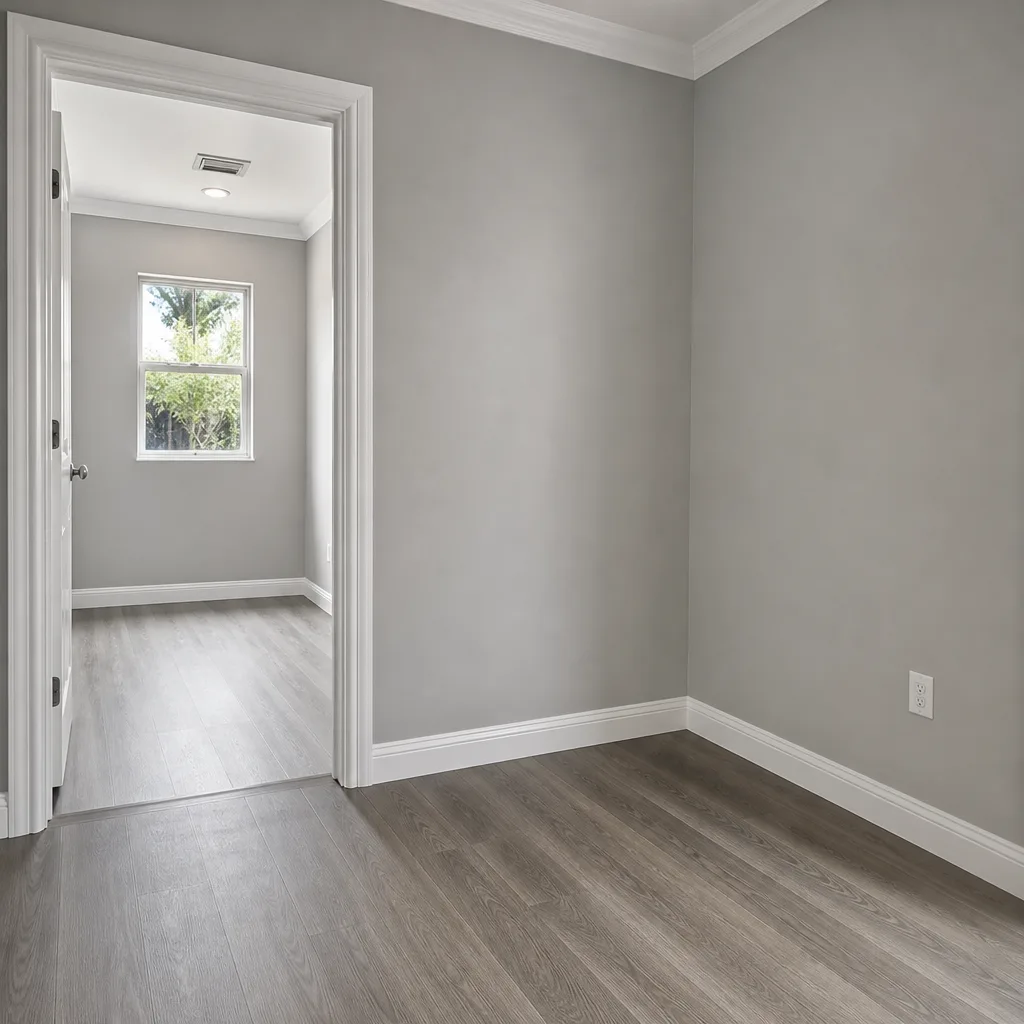 After
After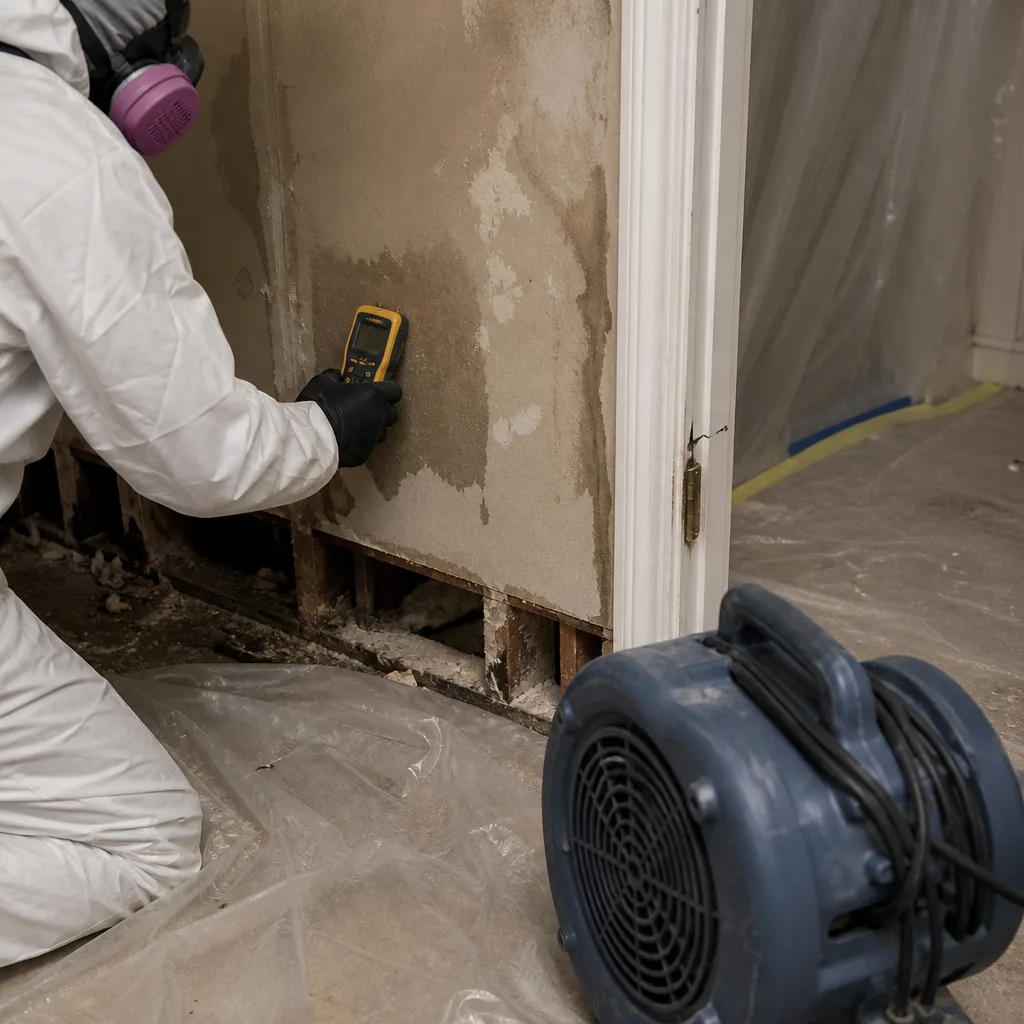 Before
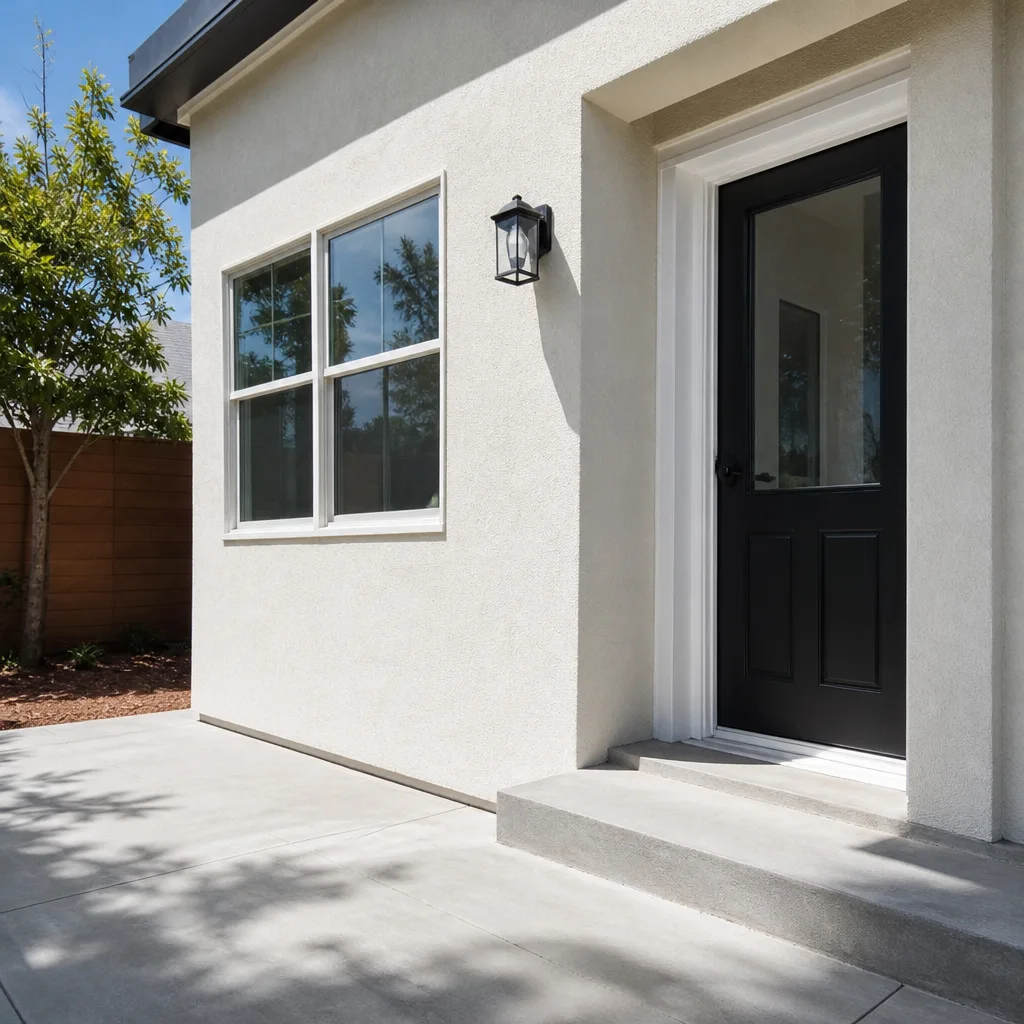 After
After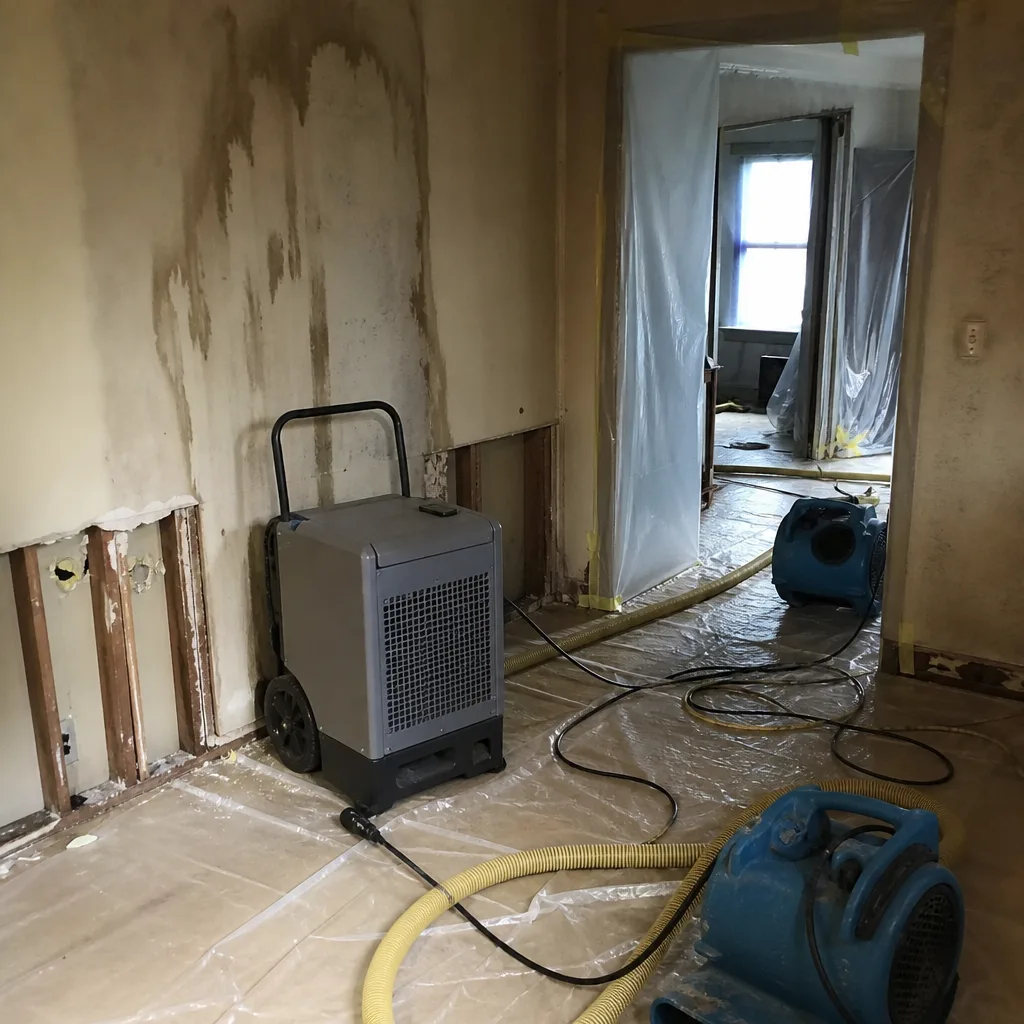 Before
 After
AfterStructural Drying & Dehumidification in Los Angeles, CA
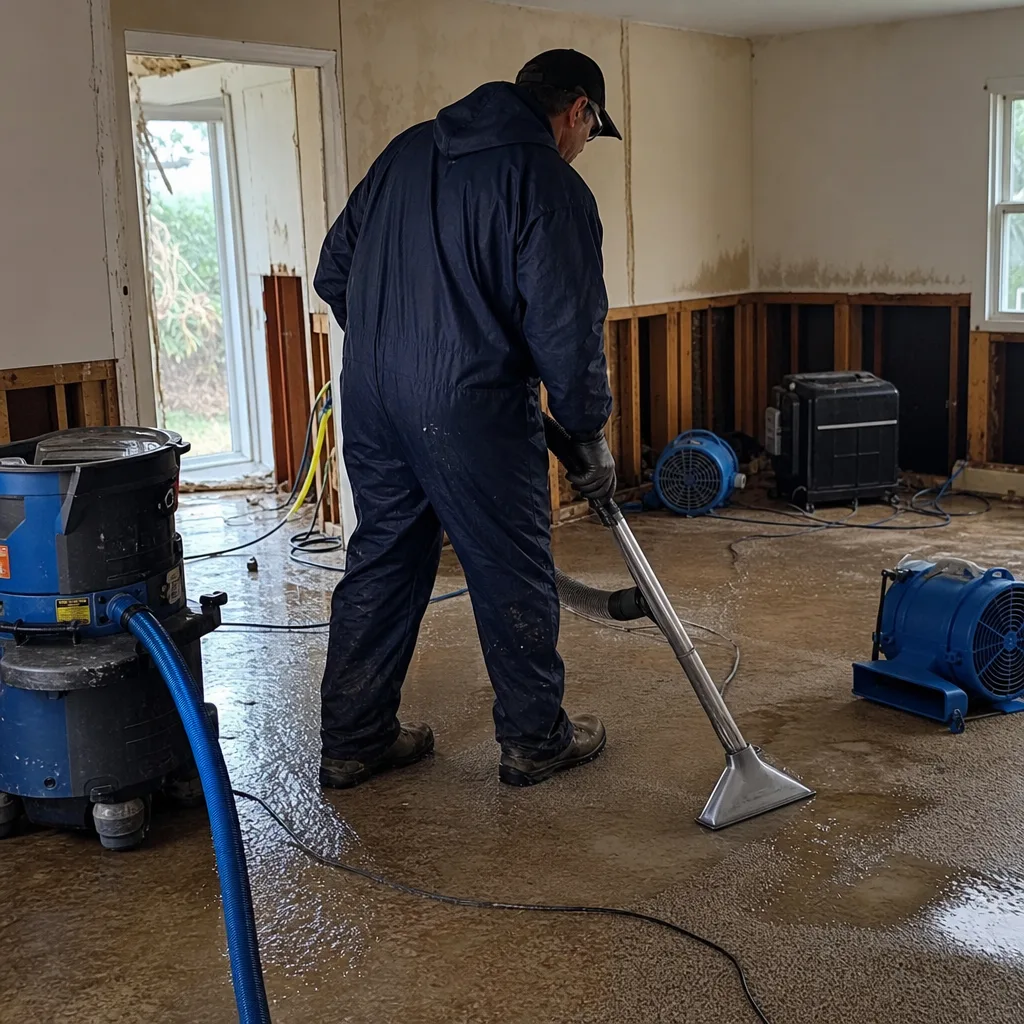
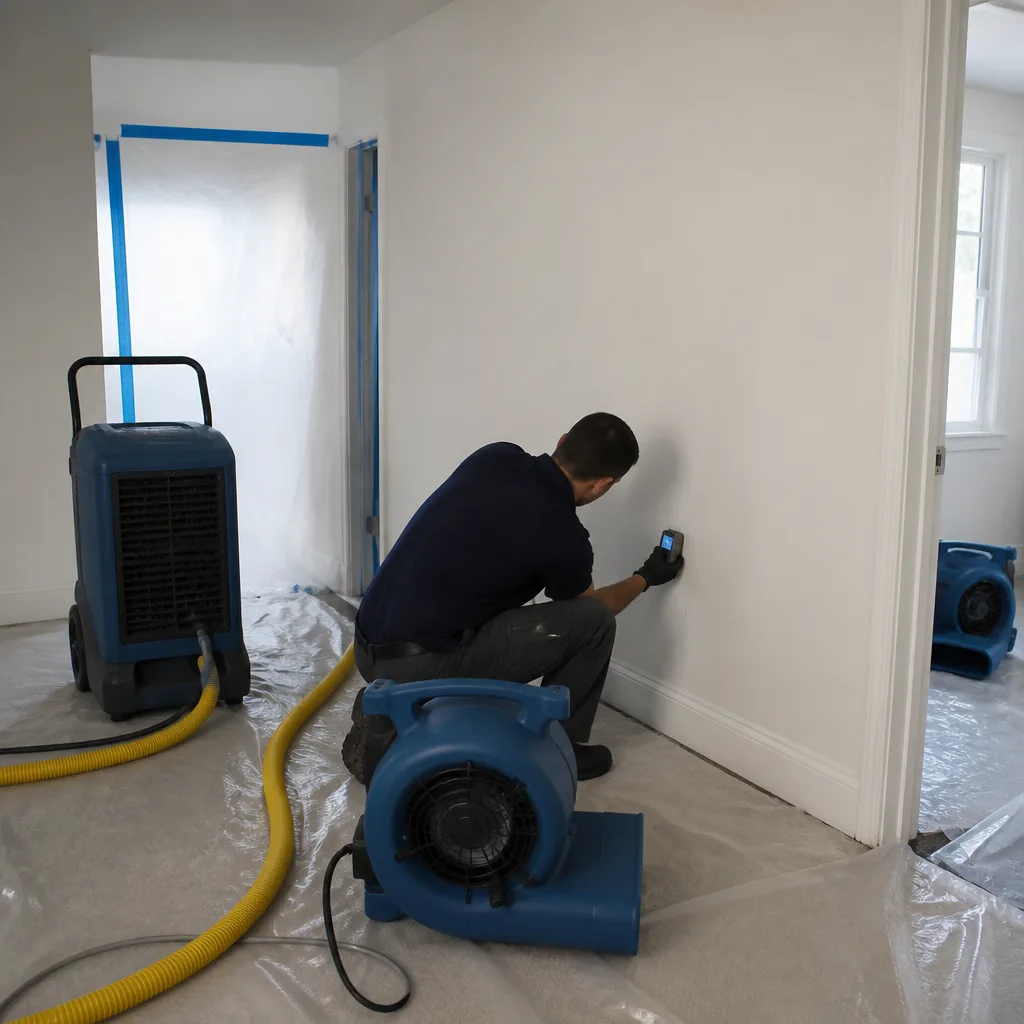
Structural drying and dehumidification is the process of pulling trapped moisture out of drywall, framing, subflooring, and other building materials after a water leak or flood. In Los Angeles, it typically costs between $3 and $7 per square foot of affected area, with most single-room jobs landing in the $1,200 to $3,400 range. If water sat for more than 24 hours or crept behind baseboards, drying equipment needs to run for 3 to 5 days, not a single afternoon. Call Wendell Restoration Los Angeles at (213) 349-9500 and we’ll give you a written price before any equipment gets plugged in.
We’re the home restoration team that treats drying like a measurable job, not a guess. Our technicians track psychrometric conditions (temperature, humidity, and moisture content in the air and in your walls) every day until the numbers say your structure is actually dry. We handle this as part of full Water Damage Restoration in Los Angeles, which matters because drying is only one part of a complete fix. If extraction, antimicrobial treatment, or reconstruction gets skipped, you’ll be dealing with the same wall again in six months.
Every structural drying job we run follows IICRC, RIA, and IFA standards. That’s not a slogan. It means we document daily moisture readings, we swap out equipment when readings plateau, and we don’t demobilize until the numbers prove the job is done. You get before-and-after photos by text and an invoice you can pay from a link. The number on the screen is the number you pay. That’s how Wendell does it, and it’s been that way since 2006.
When You Need Structural Drying & Dehumidification
Not every spill calls for commercial drying equipment. Here are the situations where structural drying is the difference between a one-week fix and a mold problem that lives in your walls:
- Water sat for more than 24 hours. Once moisture penetrates drywall or wood, it starts wicking upward and outward. In Los Angeles’s dry climate, surface areas may feel dry to the touch while the interior of the wall cavity is still at 30% moisture content or higher.
- A supply line leaked inside a wall or ceiling. Pinhole leaks in copper or PEX lines can run for weeks inside a cavity before you notice a stain. By the time you see it, the framing is saturated.
- Baseboards are pulling away or warping. Wood swells when wet. If your baseboard is bowing away from the wall or the corners have opened up, moisture is trapped behind them.
- Flooring feels soft, spongy, or is cupping. Hardwood and laminate absorb water at different rates. Cupping (edges raised, center sunken) is a classic sign that moisture is still moving through the subfloor.
- You smell must but can’t find the source. That smell is microbial activity. It means moisture is present somewhere you can’t see, and drying needs to happen behind drywall or under flooring.
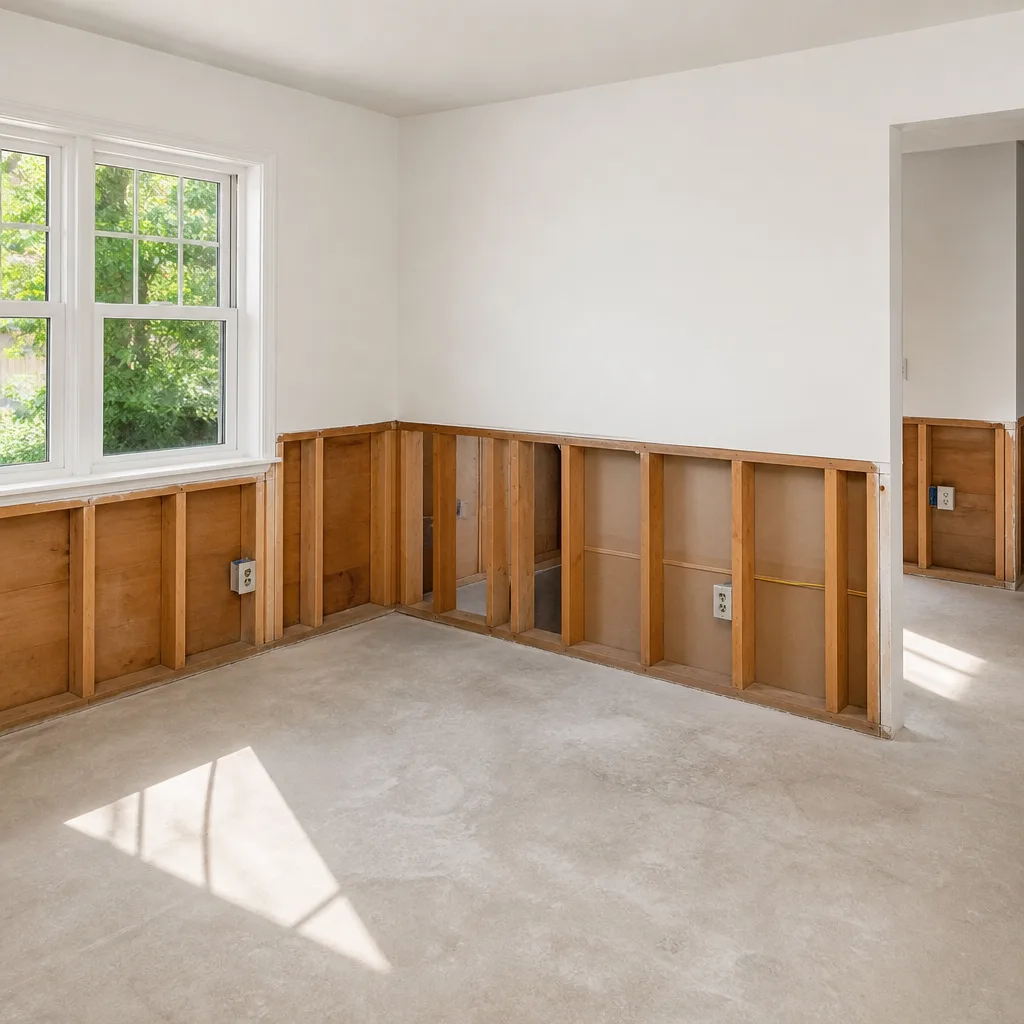
- A contractor or plumber cut out wet drywall. Demo is step one. Step two is drying the framing that’s now exposed. Skip step two and your new drywall goes up over damp studs, which is how mold comes back.
Our Structural Drying & Dehumidification Process
We run drying projects on a documented, daily-monitored protocol. Here’s the sequence:
- Assessment and scope. We map the affected area with moisture meters and thermal imaging, then put a written price in front of you before any work starts. You approve the scope on your phone. No surprises.
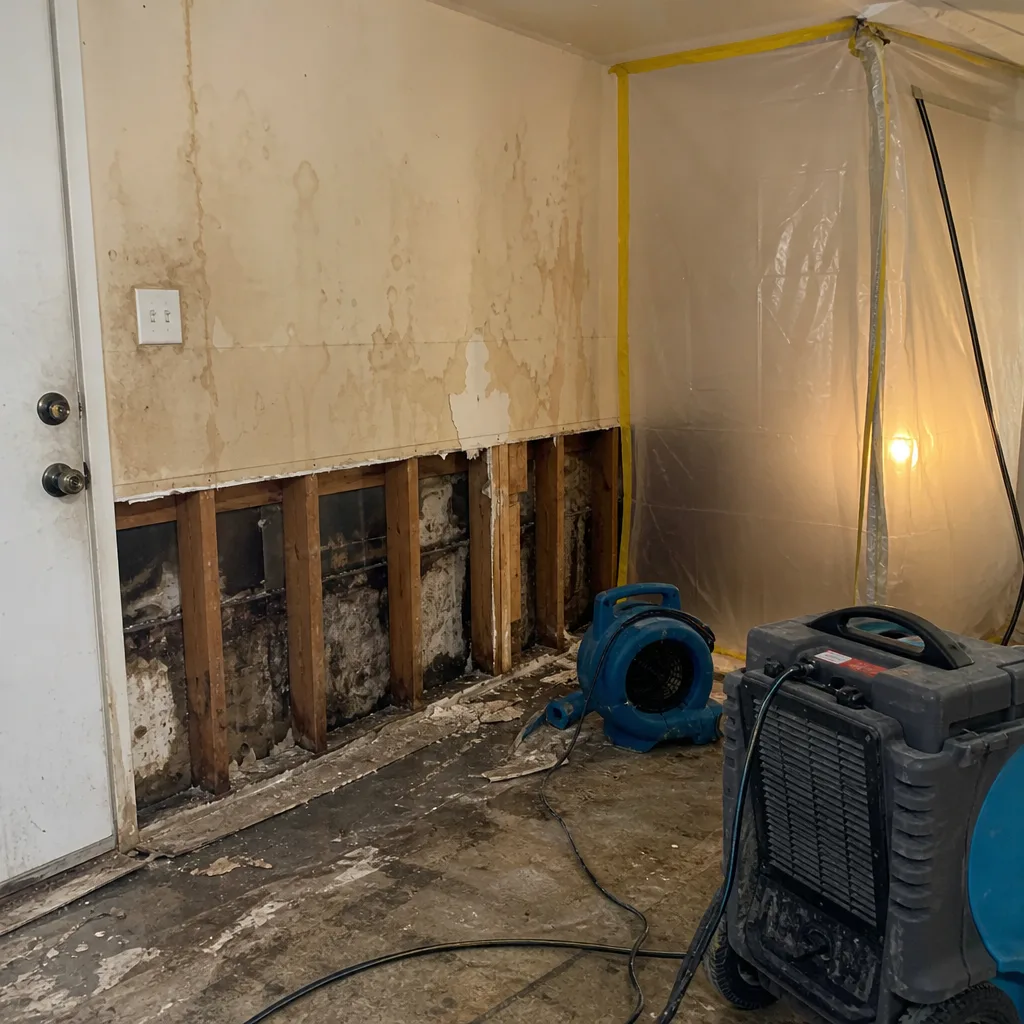
- Extraction and prep. Standing water comes out first with truck-mounted or portable extraction. We pull baseboards, drill weep holes where needed, and open any wall cavities that are trapping moisture.
- Equipment placement. We deploy professional-grade air movers and dehumidifiers from Dri-Eaz and Phoenix. These are the same machines used on commercial loss sites in downtown LA high-rises. We position them to create cross-flow across the wettest surfaces and seal off the drying chamber.
- Daily psychrometric monitoring. Every day we record temperature, relative humidity, and the moisture content of the affected materials. We adjust the equipment setup as the numbers change. When the readings stop improving, we recalibrate the chamber.
- Antimicrobial application and clearance. Once the dry standard is hit, we apply antimicrobial treatment to affected surfaces to address any microbial growth that started during the wet period. Then we verify final readings and document everything.
- Reconstruction handoff. We don’t leave you with holes in your walls. We either handle the rebuild in-house or coordinate the punch list so you’re not stuck managing three different vendors.
Structural Drying & Dehumidification Pricing in Los Angeles
You should know a ballpark before you call. Here’s what structural drying and dehumidification costs in the Los Angeles market, based on the scope of the job:
| Job size | Typical range | What it includes |
|---|---|---|
| Single wall or small closet | $900 – $1,800 | Baseboard removal, limited drywall cuts, 2 – 3 days of drying equipment and monitoring |
| Single room (burst pipe, sink overflow) | $1,200 – $3,400 | Extraction, drying chamber setup, daily monitoring, antimicrobial treatment |
| Multiple rooms or hallway | $3,000 – $6,500 | Larger equipment count, extended monitoring, multiple access points |
| Whole floor / slab saturation from water heater blowout | $5,000 – $10,000+ | Large-loss protocol, multiple air movers and dehumidifiers, 4 – 6 days or more of active drying |
What changes the price? Square footage affected, how long the water sat, what materials got wet (hardwood dries differently than concrete), how many walls need to be opened, and whether the affected area includes a kitchen or bathroom where cabinets and vanities trap moisture. For below-grade flooding, Basement Water Removal follows a similar protocol, Drying behind a tub surround or under kitchen cabinets takes longer, which means more equipment days.
You get the price in writing before we plug anything in. And because a dry-standard verification is part of the job, you also get a written record of final moisture readings. Estimates are free. Call (213) 349-9500 and we’ll walk you through it.
FAQs – Structural Drying & Dehumidification
How long does structural drying take in Los Angeles?
Most residential drying jobs in Los Angeles take 3 to 5 days of active equipment runtime. Our dry climate helps on the ambient side, but drywall, framing, and subflooring hold water stubbornly, and pulling that moisture out without damaging the material takes time. We monitor daily and won’t pull equipment until the moisture readings meet the dry standard.
Is it cheaper to dry a wall or cut it out and replace it?
It depends on the material and how saturated it is. Drywall that’s been soaked through is almost always cheaper to cut out and replace than to dry in place, since drywall loses structural integrity once it hits about 20% moisture content. Framing and subflooring, on the other hand, can almost always be dried in place, which avoids a much bigger demo bill. We’ll tell you which side of that line you’re on before you commit to anything. Call (213) 349-9500 for an honest read on your specific situation.
Can I just run a fan and leave the windows open?
No. A box fan moves air across surfaces and an open window trades indoor humidity for outdoor humidity, but neither one pulls moisture out of wall cavities or structural framing. Professional drying means creating a sealed chamber with dehumidification rated to extract water at a specific rate, and it means measuring moisture content daily to confirm it’s working. A fan dries the surface. It doesn’t dry the structure.
Will my insurance cover structural drying?
Most homeowner’s policies in California cover structural drying when it’s tied to a sudden and accidental discharge from a plumbing system or appliance. Coverage gets murkier for slow leaks that happened over weeks. We provide the documentation insurers ask for: moisture maps, daily logs, and before-and-after readings. That paper trail is often the difference between a smooth claim and a denied one.
Does structural drying prevent mold?
It’s the single most effective thing you can do to prevent mold after a water loss. Mold needs moisture, a food source, and time. If you dry the structure within 48 to 72 hours and apply antimicrobial treatment to affected surfaces, you’ve removed the condition that lets mold take hold. That’s why the daily monitoring matters: surface dryness isn’t enough, and the psychrometric data proves the moisture is actually gone. Call (213) 349-9500 or search Water Damage Restoration Near Me in Los Angeles, CA if you’ve had water sit for more than a day and we’ll get a plan in motion today.
Written by Blake Sorensen, Owner at Wendell Restoration Los Angeles, serving Los Angeles.