
Last updated October 16, 2026
 Water damage drying
 Fire & smoke cleanup
 Mold remediation
 Storm response
 Sewage cleanup
 Reconstruction
Free visual inspection and a written scope of work before any mitigation begins - photos, moisture readings, and drying logs go in your claim file
The scope we write is the scope we bill. Anything new gets shown to you, in writing, before we touch it.
Get your free estimateDamage Restoration Permits, Codes & Inspections in CA: What You Need to Know
A Silver Lake homeowner had her insurance claim denied, not because the water damage wasn’t covered, but because her contractor performed structural repairs without a permit. Her insurer classified the work as “unpermitted construction” and reduced the payout by 60%. That’s the part nobody tells you about restoration in Los Angeles: the repair work that saves your house today can quietly become the liability that costs you tens of thousands tomorrow. This guide walks through exactly when California and Los Angeles building codes require permits for restoration work, what inspectors actually look for, how mold documentation rules work, and what separates a legitimate permit from a contractor’s handshake promise.
Restoration work we handle
Quick Answer
Restoration work in California requires building permits whenever repairs touch structural framing, electrical systems, plumbing lines, or exceed specific dollar and square-footage thresholds set by Los Angeles County and City of LA codes. Minor cosmetic work like paint, trim, and carpet replacement typically does not need a permit, but structural drying that exposes framing, any electrical panel work, and mold remediation beyond 10 square feet of visible growth all trigger permit or documentation obligations. A passed city inspection is the only document that protects you at resale; a contractor’s certificate of completion protects nothing.
Table of Contents
- When Do Restoration Permits Actually Kick In?
- Los Angeles Specific Thresholds and Triggers
- How SB 721 and SB 326 Change Restoration on Multi-Family Properties
- California Mold Assessment and Remediation Documentation Rules
- Certificate of Completion vs. Passed City Inspection
- How to Get Permits Pulled Before Work Starts
- How Permits Affect Your Insurance Claim
- Common Mistakes to Avoid
- When to Call a Professional
- Frequently Asked Questions
- The Bottom Line
When Do Restoration Permits Actually Kick In?
Here’s the core confusion: “restoration” is not a legal category in California building code. The state’s building standards, specifically the California Building Code (CBC) adopted from the International Building Code, do not have a special exemption for work done after a flood, fire, or mold event. What matters is the scope of the repair, not the reason for it. If the work would require a permit when done as a remodel, it requires a permit when done as a restoration. Many homeowners assume the opposite, and that assumption is expensive.
Permits are generally required when the work involves:
- Structural repairs: Replacing studs, sill plates, floor joists, ceiling joists, rafters, or any load-bearing member. Water-damaged framing that has lost integrity almost always falls here.
- Electrical work: Replacing wiring, outlets, panels, or any component that was submerged or exposed to water. Even replacing a single outlet that got wet technically requires an electrical permit in Los Angeles County.
- Plumbing alterations: Replacing supply lines, drain lines, or fixtures in a way that changes the existing configuration. Swapping a like-for-like faucet generally does not; replacing a section of rotted drain pipe does.
- Window and door replacement: If the frame is being replaced, not just the sash, a permit is required. Water damage often rots the frame, which pushes this into permit territory.
- HVAC ductwork replacement: Mold contamination in ducts or water-saturated insulation means duct replacement, and ductwork is covered under mechanical permits.
The California Building Code also has a catch-all: any repair costing more than a threshold set by the local jurisdiction requires a permit. In Los Angeles, that threshold is $500 for most residential work, which frankly means nearly every restoration job that involves more than patching drywall exceeds it. In our experience restoring water-damaged homes across Los Angeles, the jobs that homeowners assume are “minor” are usually the ones that needed a permit all along. A pipe burst in a Hancock Park bathroom might seem contained, but if the water ran down into the wall cavity and soaked the sill plate, you’re now into structural territory.
Los Angeles Specific Thresholds and Triggers
Los Angeles operates under a patchwork of overlapping jurisdictions: the City of Los Angeles Department of Building and Safety (LADBS) governs properties within city limits, while unincorporated areas fall under Los Angeles County Public Works. Each has its own permit thresholds, forms, and inspection workflows, and a contractor who works mostly in Pasadena may not know the LADBS requirements for a Silver Lake or Eagle Rock property.
Within the City of Los Angeles, the key triggers for restoration work are:
- $500 valuation threshold: LADBS requires permits for any residential alteration or repair valued at $500 or more in labor and materials. This is the lowest practical bar in Southern California.
- 10 square feet of drywall replacement: While not a formal code citation, LADBS inspectors have consistently applied this as a practical threshold. Under 10 square feet of patch work is considered maintenance; over it moves toward permit territory, especially if the wall is load-bearing or conceals electrical or plumbing lines.
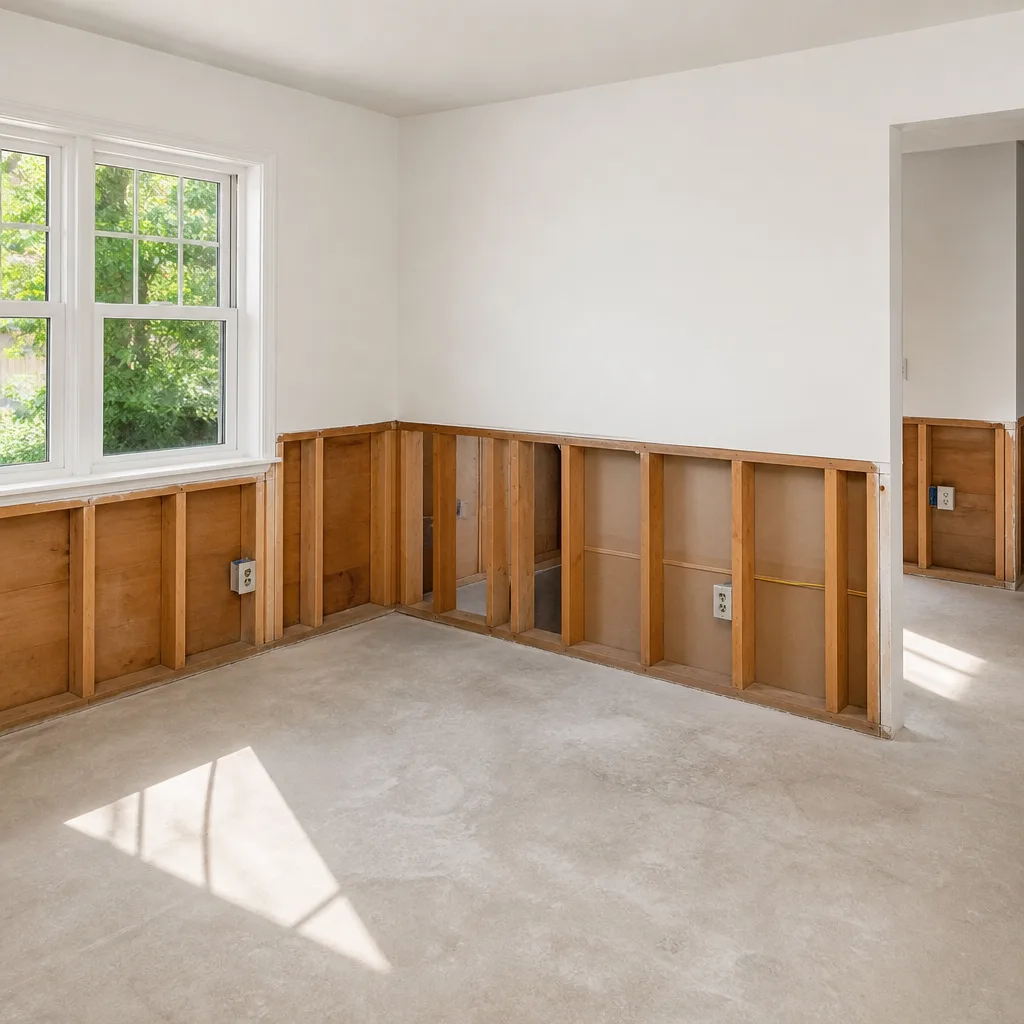
- Any exposure of structural framing: If drying equipment requires removing drywall to expose studs, and those studs show signs of deterioration, replacing them triggers a structural permit, no matter the square footage.
- Electrical exposure: Submerged outlets, water-damaged panels, or any wiring that was in contact with water requires an electrical permit and an inspection by LADBS.
The City of Los Angeles also enforces what’s called the “Residential Property Report” requirement for certain sales. If you sell a home in Los Angeles and the city has record of unpermitted work, or if a buyer’s inspector flags it, the retrofit requirements can stall the sale for months. We’ve seen homes in Mar Vista and Silver Lake where a seller had to open walls and re-pull permits for work done years earlier because no permit record existed. The cost of doing it right the first time is almost always lower than the cost of doing it twice.
How SB 721 and SB 326 Change Restoration on Multi-Family Properties
Two California laws have reshaped how water damage restoration works on apartments and condos: SB 721 and SB 326. Both were passed after the 2015 Berkeley balcony collapse that killed six people, and both mandate inspections of elevated structures, specifically balconies, decks, and exterior elevated walkways supported by wood framing.
SB 721 applies to apartment buildings with three or more units. It requires inspection of exterior elevated elements every six years, with the first inspection deadline having passed on January 1, 2025. SB 326 applies to condominium associations and requires inspection every nine years. Here’s why this matters for water damage: the catastrophic failures these laws target are almost always the result of water intrusion. Water seeps into the building envelope, saturates the wood framing behind the stucco or siding, and dry rot eats the structural members. By the time cracks appear in the balcony, the framing underneath may already be compromised.
If you’re a condo owner in Los Angeles and your unit has water damage that extends to a balcony, deck, or elevated walkway, the HOA’s obligations under SB 326 directly intersect with your restoration scope. The HOA is responsible for the common area structure, but the repair work must comply with the inspection requirements, which often means the contractor needs to expose framing, document its condition, and potentially pull structural permits before any repair or replacement. A restoration contractor who doesn’t know SB 326 exists may patch the visible damage and leave the structural issue in place, which is dangerous and will fail the HOA’s next mandatory inspection.
For apartment owners covered by SB 721, the stakes are similar but with a harder deadline. The law requires load-bearing calculations and a licensed engineer’s or architect’s sign-off for any repair work on covered elements. Water damage restoration that touches these elements can’t just be “fixed”; it has to be documented, permitted, and signed off in a way that satisfies the nine-year inspection cycle. Skipping this step isn’t just a code violation; it’s a legal liability that can transfer to a buyer if you sell.
California Mold Assessment and Remediation Documentation Rules
California’s mold rules live in the Toxic Mold Protection Act of 2001, also known as the “Mold Book,” and in the California Department of Public Health (CDPH) guidelines that followed. The key distinction in California law is between mold assessment and mold remediation, and it’s a distinction most homeowners never learn until they’re in the middle of a claim.
Mold assessment is the inspection and testing process. A mold assessor determines the extent of the mold problem, identifies the moisture source, and documents the affected area before work begins. Mold remediation is the actual removal and cleanup. The critical rule: in California, the person or company that assesses the mold cannot be the same entity that remediates it. That’s a conflict-of-interest rule designed to prevent “find mold, charge to remove it” schemes, and it applies to every restoration project in Los Angeles.
Here’s what a compliant mold remediation in Los Angeles must include:
- Written assessment report: A document from a qualified assessor identifying the affected square footage, the moisture source, and the recommended remediation scope.
- Containment protocol: The remediation plan must specify how mold spores will be contained during removal. This typically means negative air pressure, plastic sheeting, and HEPA filtration.
- Clearance testing: After the remediation, a third-party assessor must re-test to confirm the mold levels have returned to normal. This clearance test is different from the initial assessment, and most insurance carriers in Los Angeles require it before they’ll sign off on a mold claim.
- Documentation of disposal: Contaminated materials must be bagged, sealed, and disposed of per CDPH guidelines. A record of this disposal is part of the paper trail.
The CDPH guidelines do not establish a specific mold exposure limit for all species, but they do set a standard: indoor mold levels should not exceed outdoor levels for the same species. If a contractor tells you they can “kill the mold” with a spray and don’t need to test, they’re not complying with California’s documentation requirements, and you’ll have no paper trail if the mold returns or if you sell the home. We’ve seen this exact scenario in Los Angeles, where a homeowner paid for a “quick mold spray” and discovered two years later that the remediation was never documented, which meant no mold clearance certificate, and their buyer walked.
Certificate of Completion vs. Passed City Inspection
Here’s the difference that matters at closing: a certificate of completion is a document your contractor writes. A passed city inspection is a document the City of Los Angeles writes. Only one of them protects you when you sell.
A certificate of completion typically states that the contractor finished the scope of work agreed upon. It means the job is done, the invoice is paid, and the contractor stands behind their work. It does not mean the work meets Los Angeles building code. It does not create a public record of the work. It does not protect you if a future buyer’s inspector asks, “Where’s the permit for this new framing?”
A passed city inspection, by contrast, is recorded with LADBS. The inspector has reviewed the work against the California Building Code and signed off. That signature becomes part of the property’s official record. When you go to sell, the title company can pull the permit history, and the buyer’s agent can verify that the work was done legally. Without that record, your “restored” home has unpermitted work in its history, which is a disclosure issue and, in many Los Angeles neighborhoods, a deal-killer.
The practical takeaway: always ask your restoration contractor which permits are being pulled, and always verify that a city inspection has been scheduled before the work is closed out. A contractor who resists pulling a permit is usually either cutting corners or doesn’t know the code, and either way, you’re the one holding the liability. Our Water Damage Repair in Los Angeles team provides a written scope before work starts, including a permit plan when the job requires one, so there’s no question about what’s being filed.
How to Get Permits Pulled Before Work Starts
Getting a permit in Los Angeles isn’t complicated, but it does require knowing where to file and what to file. The process falls into two buckets: over-the-counter permits for simple work, and plan-check permits for anything structural.
- Determine which jurisdiction you’re in: If your address is within the City of Los Angeles, you file with LADBS. If you’re in an unincorporated area like Universal City or parts of the San Fernando Valley, you file with LA County Public Works. Cities like Santa Monica, Burbank, and Glendale have their own building departments, and the rules differ enough that it’s worth checking the specific requirements for your city.
- Classify the work: Cosmetic repairs under $500, no structural touch, no electrical or plumbing changes: no permit needed. Anything over $500, any framing replacement, any electrical or plumbing work, any window or door frame replacement: permit required. When in doubt, call the building department and ask.
- File the application: LADBS accepts online applications through its ePlan system for many permit types. The contractor typically files, and you should confirm the filing date before work begins.
- Pay the fee: Permit fees in Los Angeles are calculated based on the valuation of the work. Expect to pay between 1% and 3% of the job value in permit fees, depending on the scope.
- Schedule the inspection: A LADBS inspector visits the site at key points, typically after rough-in work (framing, electrical, plumbing in the wall) and again at final completion. The inspector must approve the work before the permit is closed.
- Keep the final sign-off: When the inspector signs off, keep a copy. This is the document you’ll need if you ever sell the home or if the work is ever questioned.
What should you do if a contractor says permits “aren’t necessary” for a scope you’ve described? Ask them to put it in writing. Ask them to write down the specific scope of work and sign a statement that no permit is required under current code. Most contractors who are cutting corners will back off when asked to sign real documents. If they refuse, walk. The Water Damage Restoration in Los Angeles work we do always includes a written permit assessment in the original scope, so there’s no ambiguity about what’s being filed and when.
How Permits Affect Your Insurance Claim
Your insurance carrier cares about permits in two ways, and both work against you if the permits weren’t pulled.
First, most homeowners insurance policies in California include language that requires the homeowner to comply with all applicable building codes during repairs. If your contractor does unpermitted work, the insurer can reduce the settlement, deny the claim, or cancel the policy. The Silver Lake homeowner in our opening story didn’t have her claim outright rejected; she had her payout reduced by 60% because the insurer classified the unpermitted structural work as a form of negligence that reduced the home’s insurable value.
Second, the claims process itself often requires permit documentation. When a Los Angeles homeowner files a water damage claim, the insurance adjuster typically requests a scope of work, photos, and, if structural work is involved, proof of permit filings. If you don’t have that paper trail, the claim process stalls. We’ve worked with homeowners in Los Angeles who spent months going back and forth with their carrier simply because the initial contractor didn’t pull the electrical permit after water damaged a panel, and the adjuster wouldn’t close the claim without that record.
The practical advice: before the first hammer swings, ask your contractor to provide a written list of permits being filed, with dates. Ask for a copy of the filed permit. Ask when the inspection will happen. This information should be in writing before work starts, just like the price. At Wendell Restoration, we include a permit status section in every written scope we provide before any work begins, which means you know exactly what’s been filed and what hasn’t, and your adjuster gets the documentation they need without a chase. See also our guide on How to Hire a Damage Restoration Contractor in Los Angeles: A Step-by-Step Guide. This is part of the transparency we’ve built since 2006 as part of the Relay Home Co. family.
IICRC standards, which we follow on every job, also speak to this: the IICRC S500 standard for water damage restoration explicitly references the need to comply with local codes and regulations, and a restoration company that says permits don’t matter is out of compliance with the standard they claim to follow. The RIA and IFA certifications carry similar obligations.
Common Mistakes to Avoid
- Assuming “restoration” means no permit: The word restoration has no legal meaning in California building code. If the scope would need a permit as a remodel, it needs a permit as a restoration. In Los Angeles, the $500 threshold catches nearly every structural repair.
- Trusting a contractor’s certificate of completion as proof of code compliance: That certificate is a piece of paper with your contractor’s letterhead. A passed LADBS inspection is a public record. Only one helps you at resale, and it’s not the certificate.
- Allowing the same company to assess and remediate mold: California law prohibits it for good reason. If your contractor does both, you’ve lost your independent verification, and your insurance carrier may reject the mold claim entirely.
- Failing to document water damage that reached structural framing: If you dry the home, patch the drywall, and move on without an inspection, you’ve concealed a potential structural issue that will surface at the worst possible time, often during a buyer’s inspection.
- Ignoring SB 721 and SB 326 requirements on multi-family properties: If your condo balcony has water damage and your contractor fixes it without pulling a structural permit, the HOA’s next mandatory inspection will flag it, and you’ll pay to redo the work.
- Paying cash without a written permit plan: A handshake and a verbal promise don’t create a paper trail. If the work is unpermitted and a problem develops, you have no documentation to support an insurance claim or a complaint to the Contractors State License Board.
- Not asking for a copy of the filed permit before work starts: A legitimate contractor can show you the filed permit with the city’s stamp on it. If they can’t produce it, they haven’t filed it, and they’re betting you won’t check.
When to Call a Professional
Most of the time, the moment to call is right now. Water damage in Los Angeles doesn’t wait, and neither does mold. If you’ve had a pipe burst, a sewage backup, a roof leak, or any water event that soaked drywall, flooring, or framing, start with a professional assessment. Learn the Damage Restoration Warning Signs: A Los Angeles Homeowner’s Reference Guide to know when to act. If the water sat for more than 24 hours, the mold clock is already running, and the documentation requirements under California law mean you need a proper assessment before remediation begins. If the damage touches a balcony, deck, or elevated walkway on a multi-family property, don’t wait at all: SB 721 and SB 326 obligations are real, and ignoring them doesn’t make them go away. Wendell Restoration Los Angeles offers free estimates in Los Angeles – call (213) 349-9500 and you’ll get a live person, a written scope before any work starts, and a price that doesn’t change at the door.
Frequently Asked Questions
No. Cosmetic repairs under $500 in value with no structural, electrical, or plumbing involvement typically do not require a permit in Los Angeles. However, the moment the job involves replacing framing, rewiring outlets, rerouting plumbing, or replacing a window or door frame, a permit is required under LADBS rules, and the $500 threshold catches most restoration work that goes beyond simple patching and painting. When in doubt, call Wendell Restoration at (213) 349-9500 and we’ll tell you honestly whether your scope needs a permit before you commit to anything.
You may face a disclosure obligation, a reduced sale price, or a failed escrow. In Los Angeles, buyers’ agents routinely pull permit histories from LADBS, and missing permits for structural, electrical, or plumbing work are among the most common reasons for renegotiation or cancellation. You may also have to retrofit the work retroactively, which means opening walls and paying double. The safest path is to pull the correct permits during the original restoration and keep the final inspection sign-off.
No, and this is a hard rule in California. The Toxic Mold Protection Act of 2001 and CDPH guidelines prohibit the same company or individual from both assessing the mold and performing the remediation. If a contractor offers to “test and remove” in one package, they’re either unaware of the law or knowingly violating it, and either way, your insurance carrier may reject the mold claim. You need a separate assessor and remediator, and you need a third-party clearance test after the work is done.
If your condo has a deck, balcony, or elevated walkway with water damage, the HOA’s obligations under SB 326 (for condos) or SB 721 (for apartments) apply. This means the repair work must include structural documentation, often with an engineer’s sign-off, and a structural permit. A contractor who patches the visible damage without addressing the underlying framing is setting you up for a failed inspection and a legal dispute with your HOA. Ask your contractor specifically how they’re complying with SB 326 before the repair starts.
Most homeowner insurance policies in California include “code upgrade” or “ordinance and law” coverage, which reimburses the cost of bringing the home up to current code during a covered repair. This can include permit fees and the additional cost of upgrade work. However, the insurer requires proof that permits were actually pulled and inspections passed. If you skip the permits, you may forfeit this coverage and leave yourself on the hook for the full cost. Call (213) 349-9500 and we can walk you through how to document permit costs for your claim.
Wendell Restoration Los Angeles has a live person answering calls 24 hours a day, seven days a week. We can typically get a technician to your Los Angeles home the same day you call, with a live arrival time you can track. If you need immediate mitigation, we’ll tell you up front what the assessment involves, what it costs, and what the written scope will include. Call (213) 349-9500 now and you’ll speak to a real person, not a voicemail.
The Bottom Line
California’s permit rules don’t bend for emergencies, and “restoration” is not a loophole. The moment structural framing, electrical wiring, plumbing lines, or mold over 10 square feet enters the picture, you need permits and documentation that hold up to scrutiny by LADBS, your insurer, and a future buyer. A contractor’s certificate of completion is not protection. A passed city inspection is. Before any work starts, get a written scope that includes the permit plan, the expected inspection dates, and the total price, in writing, before the first tool touches the wall. If a contractor resists, find another contractor. Your home’s future sale price depends on it.
Written by Blake Sorensen, Owner at Wendell Restoration Los Angeles, serving Los Angeles since 2006.
See the difference
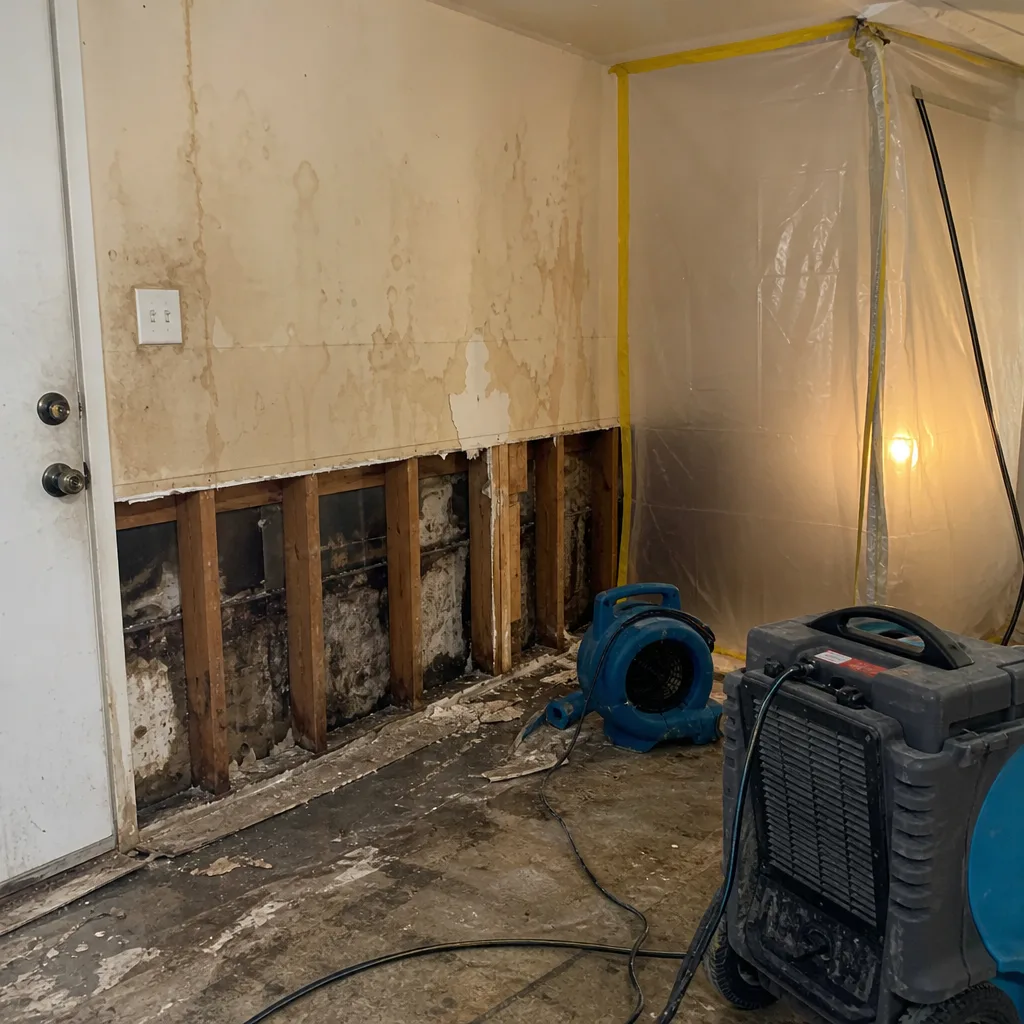 Before
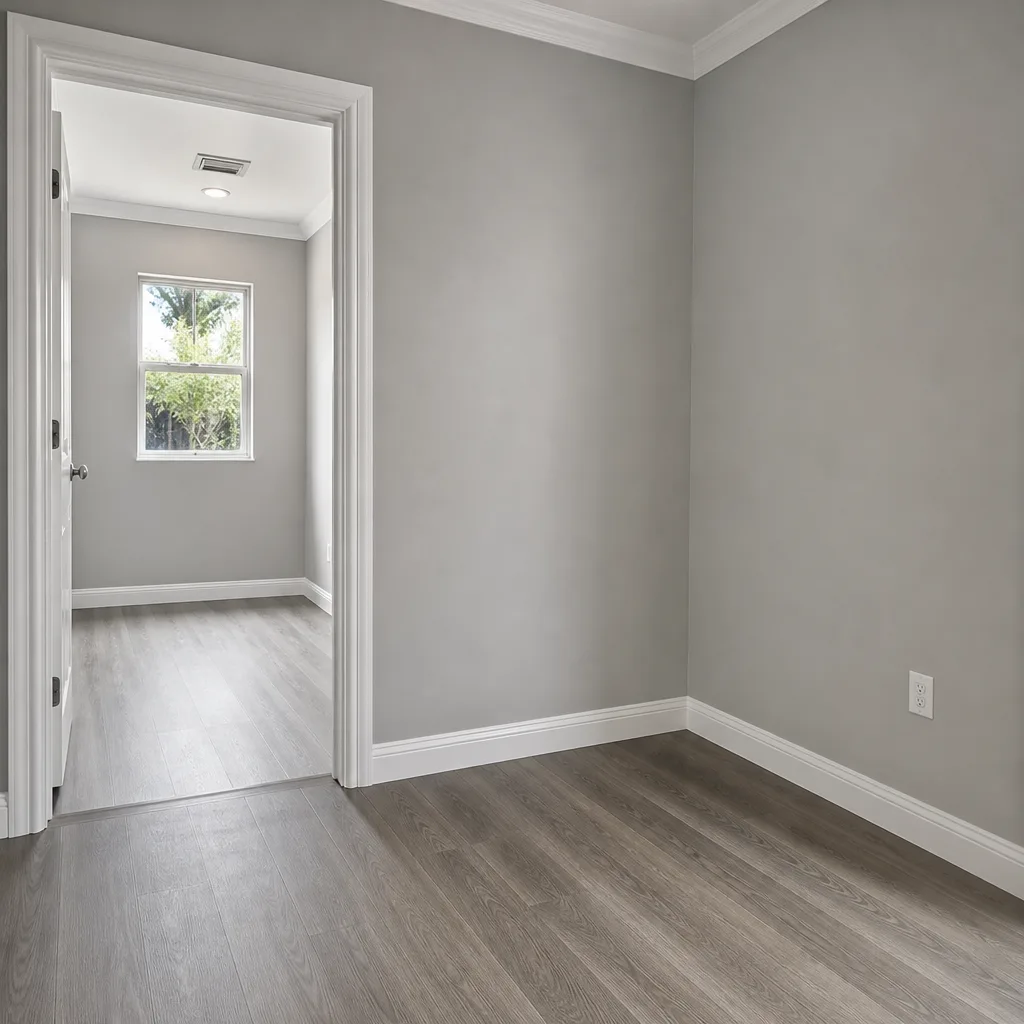 After
After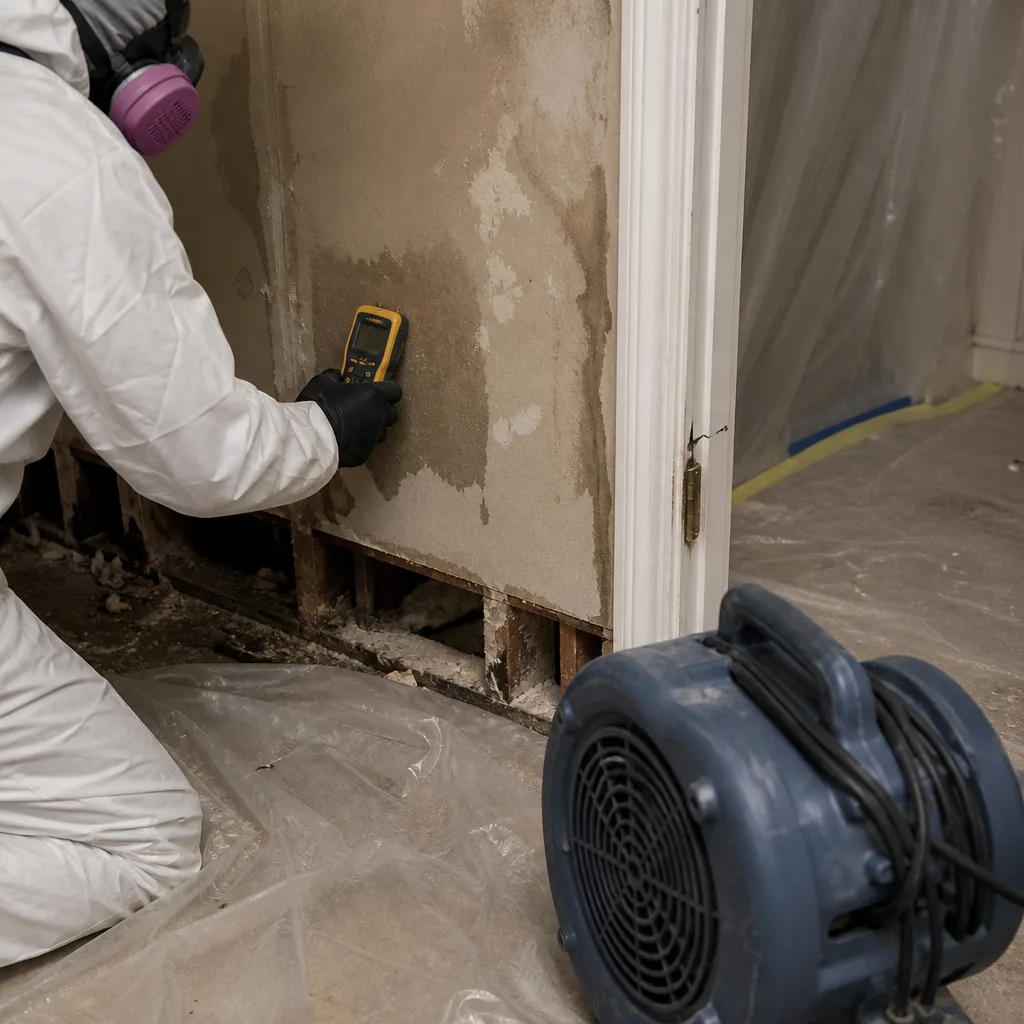 Before
 After
After Before
 After
After