
Last updated October 16, 2026
 Water damage drying
 Fire & smoke cleanup
 Mold remediation
 Storm response
 Sewage cleanup
 Reconstruction
Free visual inspection and a written scope of work before any mitigation begins - photos, moisture readings, and drying logs go in your claim file
The scope we write is the scope we bill. Anything new gets shown to you, in writing, before we touch it.
Get your free estimateHow to Hire a Damage Restoration Contractor in Los Angeles: A Step-by-Step Guide
In a single post-storm filing window, the California Contractors State License Board logged more than 4,200 complaints about unlicensed restoration contractors in Los Angeles County alone. Most homeowners in those complaints never checked a license number until after the crew had already cut out drywall and hauled it to the curb. Once that happens, your negotiating position is gone. This guide flips that dynamic. You’ll learn exactly how to vet a restoration contractor in under ten minutes, what five contract clauses protect you before you sign, and which phrases should immediately slow you down, even at 2 a.m. with water pooling on your kitchen floor.
Restoration work we handle
Quick Answer
To hire a damage restoration contractor in Los Angeles, verify three things before signing: a current CSLB contractor license with a matching trade classification, IICRC certification for water or mold work, and proof of liability plus workers’ compensation insurance. Then demand a written scope of work with line-item pricing before any tools come off the truck, and confirm the crew arriving on-site will be direct employees, not unlicensed subcontractors. A live arrival time you can track is the single best signal that the company runs a real operation.
Table of Contents
- The Three Licenses Every Legitimate LA Restoration Contractor Must Carry
- How to Verify All Three in Under Five Minutes
- Why “We’ll Bill Your Insurance Directly” Should Slow You Down
- The Five Contract Clauses That Protect LA Homeowners
- How to Get a Live Technician Arrival Window, Not a Vague Promise
- Questions to Ask About Subcontractors Before You Sign
- Red-Flag Checklist: What Walk Away Looks Like
- Step-by-Step: Hiring a Contractor in the First 24 Hours
- Common Mistakes to Avoid
- When to Call a Professional
- Frequently Asked Questions
- The Bottom Line
The Three Licenses Every Legitimate LA Restoration Contractor Must Carry
When water is spreading across your hardwood floors at midnight, “Are you licensed?” feels like a question you should skip. That exact instinct is what the 4,200 complaint filings exploited. In Los Angeles, a legitimate damage restoration contractor carries three separate credentials, and each one protects you in a different way. Skip any of them and you inherit a specific, avoidable risk.
1. CSLB Contractor License
The California Contractors State License Board requires any contractor doing work over $500 in labor and materials to hold an active state license. For restoration work, look for a license that includes the appropriate trade classification, typically C-61/D-64 for water damage restoration or a general B classification with a restoration specialty. This license means the contractor has passed trade exams, carries a state-required bond, and has a license number that any homeowner can look up publicly. Beyond the legal requirement, a CSLB license gives you access to the CSLB complaint process and, in some cases, the Contractor’s Bond, which serves as a financial recovery path if the work is abandoned or botched.
We will say this plainly: in our 19 years handling water damage restoration in Los Angeles, we have never once seen a legitimate reason for a restoration contractor to operate without a CSLB license. If a company hesitates or explains why they don’t have one, end the call.
2. IICRC Certification
While the CSLB license proves the contractor is legally allowed to operate, IICRC certification proves the technicians have been trained to follow the actual standards for structural drying and mold remediation. IICRC stands for the Institute of Inspection, Cleaning and Restoration Certification. The relevant standards are the S500 for water damage restoration and the S520 for mold remediation. A company that follows IICRC protocol measures moisture in materials, monitors psychrometric conditions (tracking the air’s moisture level so crews know when your home is truly dry, not just surface-dry), and documents everything with readings, not opinions.
Ask directly: “Are your technicians IICRC certified, and which standards do you follow on a water loss?” If the answer is vague, that response typically means the crew is winging it with box fans and a prayer. The difference matters. Improper drying in Los Angeles’s mild coastal climate can absolutely still produce mold growth inside wall cavities, especially in older stucco homes where the building envelope holds moisture differently than newer construction. Following a Water Damage Restoration Maintenance Checklist for Los Angeles Homeowners helps prevent this.
3. Liability and Workers’ Compensation Insurance
The third credential is not a license at all, which is why homeowners forget to ask about it. General liability insurance covers damage the contractor causes to your home. Workers’ compensation covers injuries to the crew while they work on your property. If a contractor without workers’ comp sends an employee into your attic to pull wet insulation and that person falls, your homeowner’s policy can be dragged into the claim. Restoration is physical work, and in Los Angeles, many homes have tight crawl spaces and steep roof transitions that make accidents more likely than a homeowner expects.
Ask for a certificate of insurance, sometimes called a COI, and call the insurance carrier to verify the policy is active. A two-minute call on the morning you hire saves months of litigation later. You should also confirm the policy lists you as “additional insured” if you require it, which many Los Angeles homeowners do as a condition of signing.
How to Verify All Three in Under Five Minutes
Most homeowners assume verification takes days. It doesn’t. Here is the exact sequence, and it beats the clock even when you’re standing on a soaked carpet at 2 a.m.
- CSLB license check (90 seconds). Go to cslb.ca.gov, click “Check a License,” and enter the license number the contractor gave you. Confirm the name on the license matches the name on your contract, the status is “Active,” and the classification covers restoration work. Also note how long the license has been active. A license that is two weeks old should raise questions, not necessarily disqualify, but it merits a deeper look at the company’s history.
- IICRC verification (60 seconds). Ask the contractor for the names of the technicians who will arrive. The IICRC has a public lookup at iicrc.org where you can search by company or individual name. If the company’s name doesn’t appear, ask them to text you a photo of a technician’s certification card. A legitimate company sends it. A company that stalls is telling you the answer.
- Insurance confirmation (2 minutes). Request a certificate of insurance. The document itself takes one email to produce. Then call the agent or carrier listed on the certificate to confirm the policy is active. Insurance fraud certificates are real, and two minutes on the phone neutralizes that risk entirely.
That’s the whole sequence. Under five minutes, and you’ve filtered out the bottom 70 percent of Los Angeles restoration contractors in one pass. The 4,200 complaints in that filing window were overwhelmingly filed against people who would have failed this test in step one.
Why “We’ll Bill Your Insurance Directly” Should Slow You Down
“We’ll bill your insurance directly” sounds like a favor. Read it again. The contractor is establishing a direct billing relationship with a third party who is not on your property, not signing your contract, and not invested in the outcome either way. The phrase is not inherently sinister, and most established restoration companies in Los Angeles do work with insurers on a regular basis. But it deserves your attention because of how it changes the risk equation.
Here is what actually happens in a third-party billing arrangement. The contractor submits an estimate to your insurer. The insurer approves a portion. The contractor performs work up to the approved amount, and then the homeowner receives a bill for the difference between the contractor’s price and the insurer’s allowance. That residual balance, often called an “uncovered portion” or “deductible+gap,” is legally yours. Many homeowners in Los Angeles sign a work authorization at hour one without reading the assignment of benefits language buried in it, only to discover three weeks later that they owe $4,700 above what insurance covered. The contractor did nothing illegal. You simply didn’t know to ask.
Five questions to ask before agreeing to any direct billing arrangement:
- “Will you put your entire price in writing before work starts, even if insurance is involved?” If the answer is yes, you have a path to compare the insurer’s allowance against the contractor’s price before anything is approved.
- “If my insurer approves less than your estimate, who pays the difference?” You want a clear, written answer before work begins, not after.
- “Will you show me the line-item estimate you’re submitting to my insurer?” You are entitled to see it. Refusal here is a red flag.
- “Do you do photo documentation of the damage before, during, and after?” Photos are the evidence that carries your claim. A contractor who doesn’t photograph losses is leaving you unarmed in a dispute.
- “Who coordinates with my adjuster, and will I be copied on every communication?” Some contractors will handle adjuster coordination and never copy you, which leaves you in the dark about the conversation that decides your payout.
In Los Angeles specifically, where home values vary dramatically by neighborhood, this matters more. A contractor pricing a water loss in a Windsor Hills mid-century home has different price assumptions than one working in a newer Silver Lake build. When the contractor and insurer negotiate without you, those neighborhood-level assumptions affect your final balance. You don’t control what you can’t see, so see everything.
The Five Contract Clauses That Protect LA Homeowners
A restoration contract in Los Angeles does not have to be long to protect you. It has to include five specific clauses. If the contract is vague on any of these, you’re signing away leverage you will want later. We have seen the exact disputes these clauses prevent, many times, in homes across Los Angeles.
Clause 1: Written Scope Before Work Starts
The contract must describe, in plain writing, exactly what will be done. Not “dry affected areas” but “remove and replace drywall in the northwest bedroom from floor to 4 feet on two walls, approximately 220 square feet total.” A written scope becomes the boundary of the job. It prevents the crew from expanding the work without your knowledge and makes the next clause enforceable.
Clause 2: Itemized Line Pricing
The price should be broken down line by line: demolition, drying equipment rental per day, antimicrobial treatment, drywall replacement, painting, debris hauling. A single lump sum is not enough. With line pricing, you can challenge any specific number and see exactly where the money goes. This is also the clause that makes comparison between contractors possible and keeps a contractor honest when insurance gets involved.
Clause 3: Photo Documentation Obligation
The contract should state that the contractor will photograph the damage before work begins, during the process, and after completion, and will provide those photos to you. This is not a courtesy. For an insurance claim, photos are the difference between a covered loss and a denied one. If your contractor won’t commit to photo documentation in writing, find a contractor who will.
Clause 4: Mold Protocol Disclosure
If the water damage sits for more than 24 to 48 hours, mold growth is possible. The contract should address mold explicitly: what testing or assessment will be performed, what remediation process will be followed if mold is found, and what that remediation will cost. Many Los Angeles water damage contracts ignore mold entirely, which allows the contractor to claim “we didn’t know” when visible mold appears behind the walls during the work.
Clause 5: Change Order Approval Process
A change order is what happens when the scope expands: the drying reveals additional damage, the subfloor is worse than expected, the mold extends further than estimated. The contract should specify that no additional work beyond the written scope will occur without a separate written change order that you approve before the work starts. This is the single most important clause in a restoration contract because it controls all of the surprise costs. In Los Angeles, where many older homes conceal pre-existing moisture issues behind decades of renovation layers, change orders are routine. The clause ensures they stay under your control.
How to Get a Live Technician Arrival Window, Not a Vague Promise
“We’ll have someone out there today” is not an arrival time. In Los Angeles, where traffic can turn a 6-mile drive into a 40-minute crawl, vague arrival promises are particularly meaningless. A contractor who can’t tell you when their crew will arrive probably also doesn’t know where the crew is, what they’re doing, or what time the job will actually start. That is a structural problem, not a scheduling hiccup.
The single best proxy for a restoration contractor’s operational maturity is whether they can give you a live arrival window that updates, the way a rideshare updates. If the company has a dispatch system, the technician’s location is visible to the office, and the office can pass that visibility to you. If the company has no dispatch system, the tech is just “on their way,” which in Los Angeles restoration work means anywhere from 20 minutes to tomorrow morning.
Specific questions to ask when you call:
- “Can you give me a specific arrival window in hours, not in ‘today’?” Listen for a number. “We’ll have someone out in the next two hours” is a window. “Someone will be there today” is not.
- “Will I get a text or link when the tech is on the way?” This confirms the company has dispatch tech that actually works.
- “What is the technician’s name, and can you tell me what they look like or send a photo?” A company that identifies its crew before arrival is doing the work of vetting, which means they probably also do the work of restoration properly.
- “What happens if you’re late? Do you update the arrival time?” If they say yes, that’s a live arrival window. If they say no, you’re back to “today.”
In our experience responding to Wendell Restoration Los Angeles home service calls, a contractor’s ability to give a trackable arrival time correlates strongly with whether the work itself is done on schedule, at scope, and without surprise billing. The same operational discipline required to run dispatch well is the discipline required to run a drying job well. You can test both in the first minute of the phone call.
Questions to Ask About Subcontractors Before You Sign
The contractor you hire might not be the contractor who does the work. In Los Angeles, many restoration companies sell the job, then hand it to an unlicensed sub, and the legal protections you thought you had evaporate. A sub without a CSLB license cannot legally perform the work. A sub without workers’ comp puts you in the same injury-liability position we described earlier. And a sub without IICRC certification has no standards obligation at all.
Before you sign anything, ask these four questions:
- “Will the crew working on my property be your direct employees or subcontractors?” Direct employees mean the company carries the workers’ comp and the liability. Subcontractors mean the risk shifts. You want the answer in writing.
- “If you use subcontractors, will you provide their CSLB license numbers and insurance certificates before they start?” A legitimate company has no problem with this. A company that hesitates is sending unlicensed subs into Los Angeles homes, which is precisely the scenario behind many of those CSLB complaints.
- “Who is responsible if a subcontractor causes damage or does substandard work?” The contract should give a single point of accountability. If it doesn’t, the sub can point to the contractor, the contractor can point to the sub, and you’re left holding the repair.
- “Will the same crew be on the job from start to finish?” Restoration jobs run for days or weeks. A rotating cast of subcontractors makes documentation and quality control much harder.
For water damage repair in Los Angeles, the distinction between direct employees and subcontractors also affects the warranty. If a direct employee does the work and it fails, the company’s guarantee applies directly. If a sub does the work and it fails, the guarantee depends on a company’s willingness to stand behind a third party. That’s a weaker position for you. The answer to these four questions clarifies it before you sign.
Red-Flag Checklist: What Walk Away Looks Like
Some red flags are obvious. Others are subtle and specifically characteristic of Los Angeles restoration work. Here is the checklist we would hand to a friend:
- They pressure you to sign now without seeing the written scope. There is no emergency that justifies this. A written scope takes 30 minutes to produce, and a legitimate contractor can do it on a tablet in your living room.
- They ask for a large deposit before starting. Restoration contractors in Los Angeles should not need a large upfront payment. Work is typically billed against insurance or after completion. A demand for 50 percent down is a signal the contractor is not financially stable enough to finish the job.
- They refuse to put their license number on the contract. This is legally required in California. No license number on the contract, no work.
- They can’t name specific equipment brands. Professional restoration uses industrial drying equipment from manufacturers like Dri-Eaz, Phoenix, XPOWER, and B-Air. If the contractor can’t tell you what equipment they deploy, the answer is probably “box fans from the hardware store.”
- They explain away their lack of IICRC certification with “experience.” Also unacceptable. Standards exist because experience varies.
- They claim to be “approved” by your insurance company. Insurance carriers do not endorse or approve restoration contractors. They may have a preferred vendor network, which is different. If a contractor claims your insurer endorsed them, they’re misrepresenting the relationship.
- They don’t mention mold once during a water damage assessment. Any contractor doing water restoration in Los Angeles knows that mold is a routine companion issue. A contractor who doesn’t raise it is either inexperienced or avoiding a conversation about cost and protocol.
Step-by-Step: Hiring a Contractor in the First 24 Hours
When water is active, speed matters. But speed and vetting are not mutually exclusive. Here is the exact sequence for Los Angeles homeowners facing an active water event:
- Stop the source (60 seconds). Shut off the water main or the angle stop at the affected fixture. If the source is a roof leak, do not get on the roof in the rain; contain the water indoors and leave the roof to a pro.
- Photo and video everything (5 minutes). Walk the affected area with your phone camera out. Capture the water, the materials affected, the height of the water line if visible, and any visible damage. These photos are your baseline evidence before any contractor touches the scene.
- Call your insurance company (10 minutes). Report the loss. Ask whether mitigation costs are covered and what the advance process looks like. Get a claim number. Do this before calling a contractor if you can, but if the water is still spreading, call the contractor first and the insurer second.
- Call a restoration contractor and run the three-license check (10 minutes). Use the CSLB, IICRC, and insurance verification sequence from earlier. Do this during the phone call, with them on the line if helpful.
- Ask about the arrival window (2 minutes). Get a specific window and ask about a tracking link or text update. If the answer is “today,” move to a contractor who gives you a number.
- Review the written scope and sign (30 minutes). A good contractor produces the scope on-site, before demo starts. Read it, confirm the five clauses are present, and sign only after you understand the line-item pricing.
- Ask for photo updates daily (ongoing). Establish on day one that you expect before-and-after photo updates by text throughout the job. This keeps documentation complete and makes the insurance conversation much easier later.
This entire sequence can happen in under two hours, including vetting. Hiring the right contractor does not need to take days, even in Los Angeles. But the wrong contractor, hired in the first five minutes, can cost you a year of dispute.
Common Mistakes to Avoid
- Hiring the first company that picks up the phone. Response speed is one data point, not the whole picture. A fast phone answer with no license behind it is a fast path to a CSLB complaint filing.
- Assuming your insurance company will catch contractor fraud. Your insurer is evaluating your claim, not vetting your contractor. Their involvement does not replace your due diligence.
- Skipping the mold conversation on day one. Los Angeles homes, especially those built before 1980, often have moisture accumulation patterns that make mold growth a near certainty after a water event. Asking about mold protocol on day one is not paranoia; it’s baseline competence.
- Accepting “we’ll bill your insurance directly” as the final word. As discussed, this phrase has a tail of uncovered balance risk. Ask the five insurance billing questions before you agree to the arrangement.
- Not photographing the scene before the contractor arrives. Once demolition starts, the original evidence disappears. Your photos become the only record of what the damage looked like before anyone touched it.
- Allowing work to proceed without a written scope. “We’ll figure it out as we go” is fine for a home remodel with a contractor you’ve known for years. It is not fine for emergency restoration where the scope grows by the day and the price grows with it.
- Waiving the change order requirement because you’re stressed. This is exactly when the change order requirement matters most. Stress is when expenses get added without your attention. The clause protects you at your most vulnerable.
When to Call a Professional
Water damage in Los Angeles is never a call-you-can-put-off situation. Call a professional when water has penetrated walls, flooring, or ceilings; when standing water covers more than a few square feet; when the water source is contaminated (gray or black water from dishwashers, washing machines, or sewage); when you smell a musty odor that suggests mold growth; or when any part of your home has been wet for more than 24 hours. In each case, the damage compounds with every hour of delay, and surface drying without proper psychrometric monitoring leaves moisture hidden behind walls and under flooring. For mold remediation in Los Angeles, the same urgency applies once growth is visible or suspected: the longer it sits, the larger the remediation area becomes. Wendell Restoration Los Angeles offers free estimates in Los Angeles – call (213) 349-9500.
Frequently Asked Questions
You verify their license number on cslb.ca.gov and confirm the license is active, matches the contractor’s name, and includes a classification appropriate for restoration work. The entire check takes under two minutes, and any legitimate Los Angeles contractor will give you the number without hesitation.
Water damage restoration in Los Angeles typically ranges from $3,000 to $12,000 for moderate losses involving drying, demolition, and repair, with mold remediation adding $2,000 to $6,000 depending on the affected area. Factors that move the number include the water category, how long materials have been wet, and whether structural framing requires treatment. The wide range is exactly why a written line-item estimate before work starts matters so much.
Sudden and accidental water damage from burst pipes or appliance failures is typically covered by standard homeowner’s policies, while gradual leaks, flooding from outside, and sewer backups usually require separate or additional coverage. Your insurer determines coverage after assessing the cause, not the contractor, so photograph everything before cleanup begins and report the loss before the work starts.
Response time varies by company, but a strong operational contractor can usually provide an arrival window of one to three hours for active water events, and a live tracking update from there. Ask for a specific window with a tracking link as a test of the company’s dispatch capability. Vague promises like “we’ll send someone today” are a signal to keep calling.
If the affected area is under 10 square feet and the water source was clean and addressed within 24 hours, a homeowner-level cleaning may be sufficient. Beyond that, or when mold is present behind walls or under flooring, full remediation following IICRC S520 protocol is the only defensible approach, and attempting to clean it yourself often spreads spores into uncontaminated areas.
In most arrangements, the restoration contractor and the adjuster coordinate on scope and pricing, but in every case you should be copied on that communication so you see what’s being submitted and approved. If the contractor won’t copy you or show you the estimate they’re sending to your insurer, reconsider the arrangement. The adjuster works for the insurance company. You need to work for yourself.
The Bottom Line
Hiring a damage restoration contractor in Los Angeles is a high-pressure decision that most homeowners make once or twice in a lifetime, usually at 2 a.m. while standing on a soaked floor. The contractors know this. The way to flip that pressure back is to test the same three verifications every time: active CSLB license, IICRC certification, and verified insurance. Then lock in the five contract clauses and never, ever let work start without a written scope with line-item pricing. If the contractor passes the arrival-window test, the subcontractor test, and the insurance-billing questions, you’ve hired well. If they fail any one of them, call another contractor. In Los Angeles, there is always another contractor. For more guides & resources, visit our blog. The only cost of being selective is a few extra minutes. The cost of being rushed is a year of regret.
Written by Blake Sorensen, Owner at Wendell Restoration Los Angeles, serving Los Angeles since 2006.
See the difference
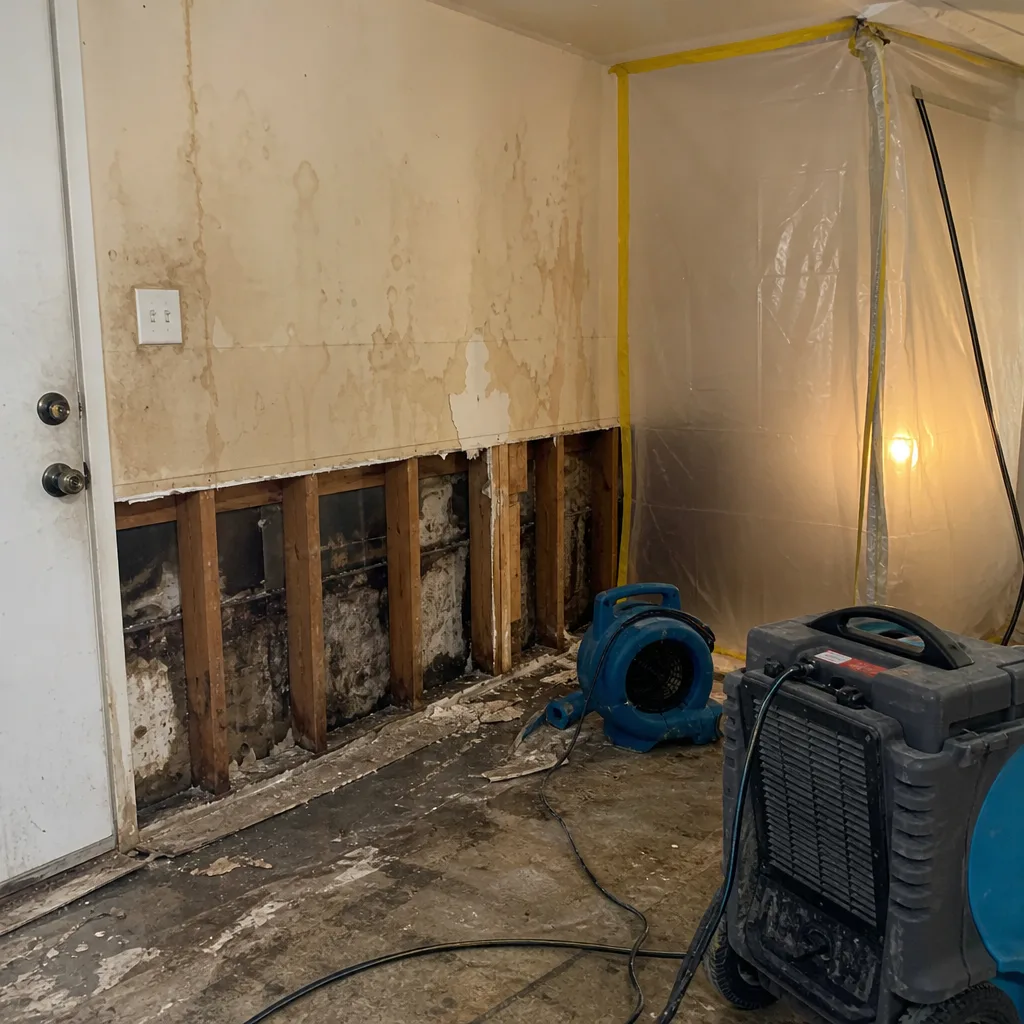 Before
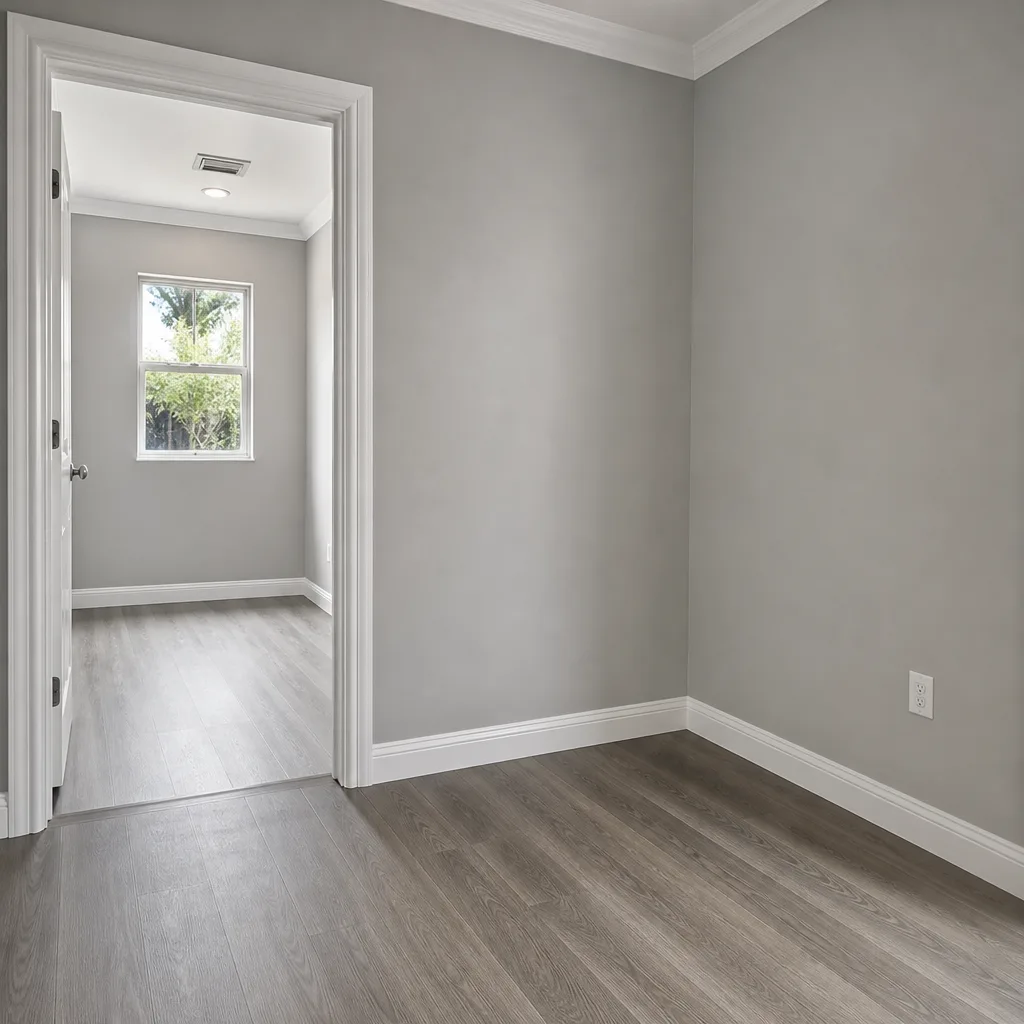 After
After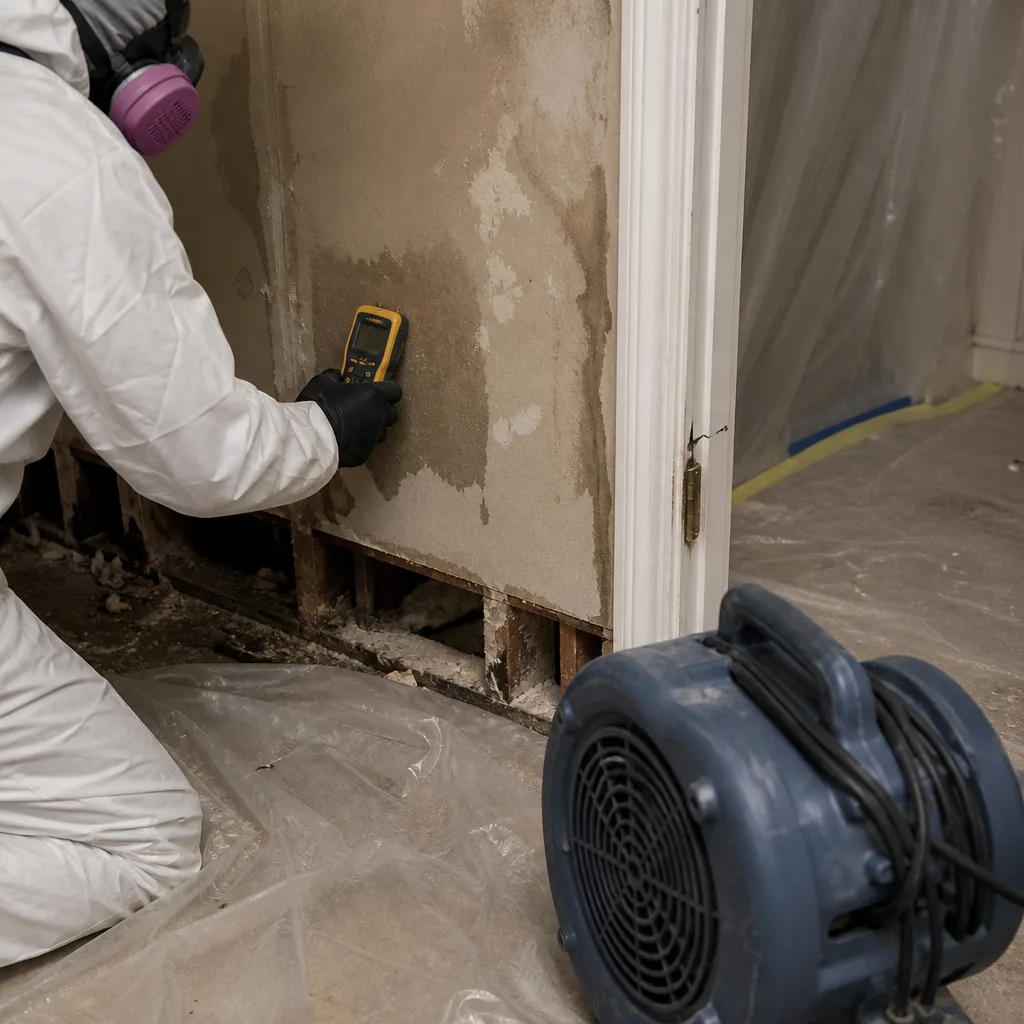 Before
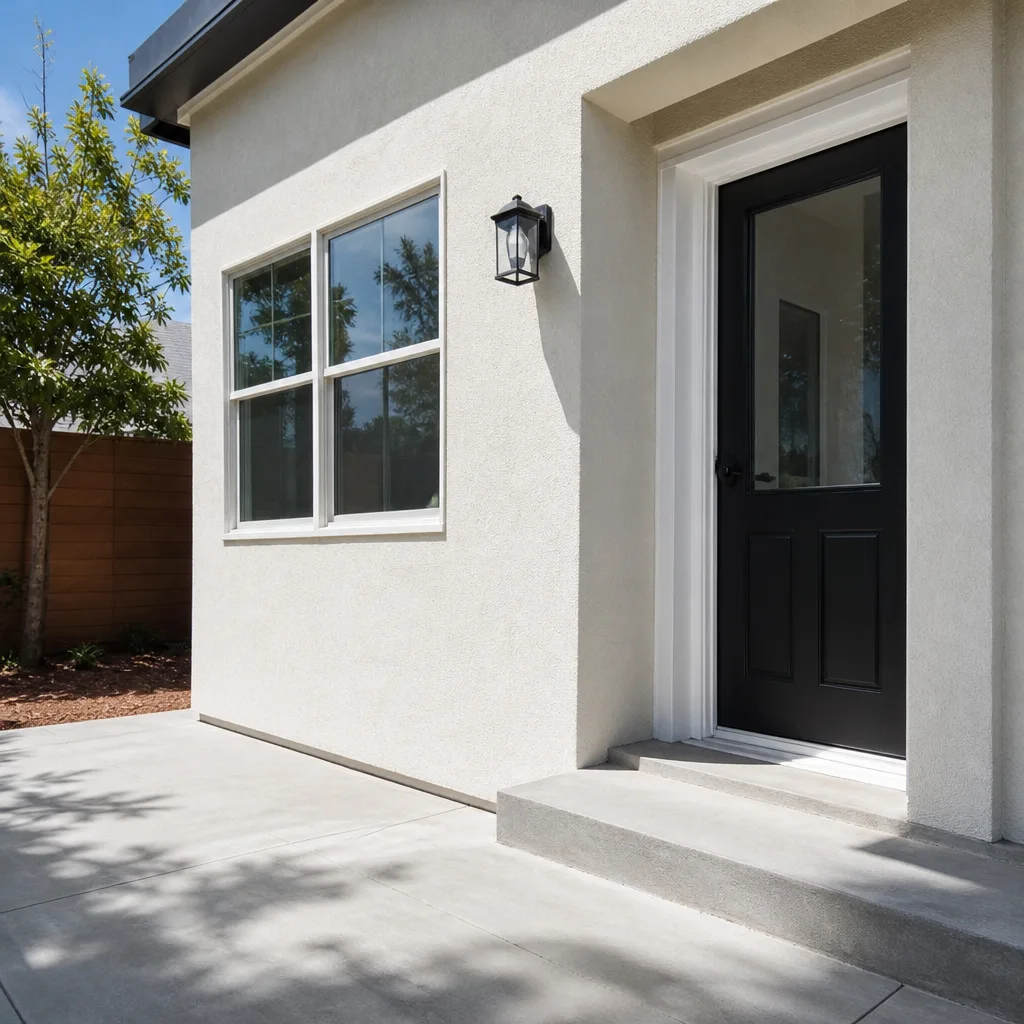 After
After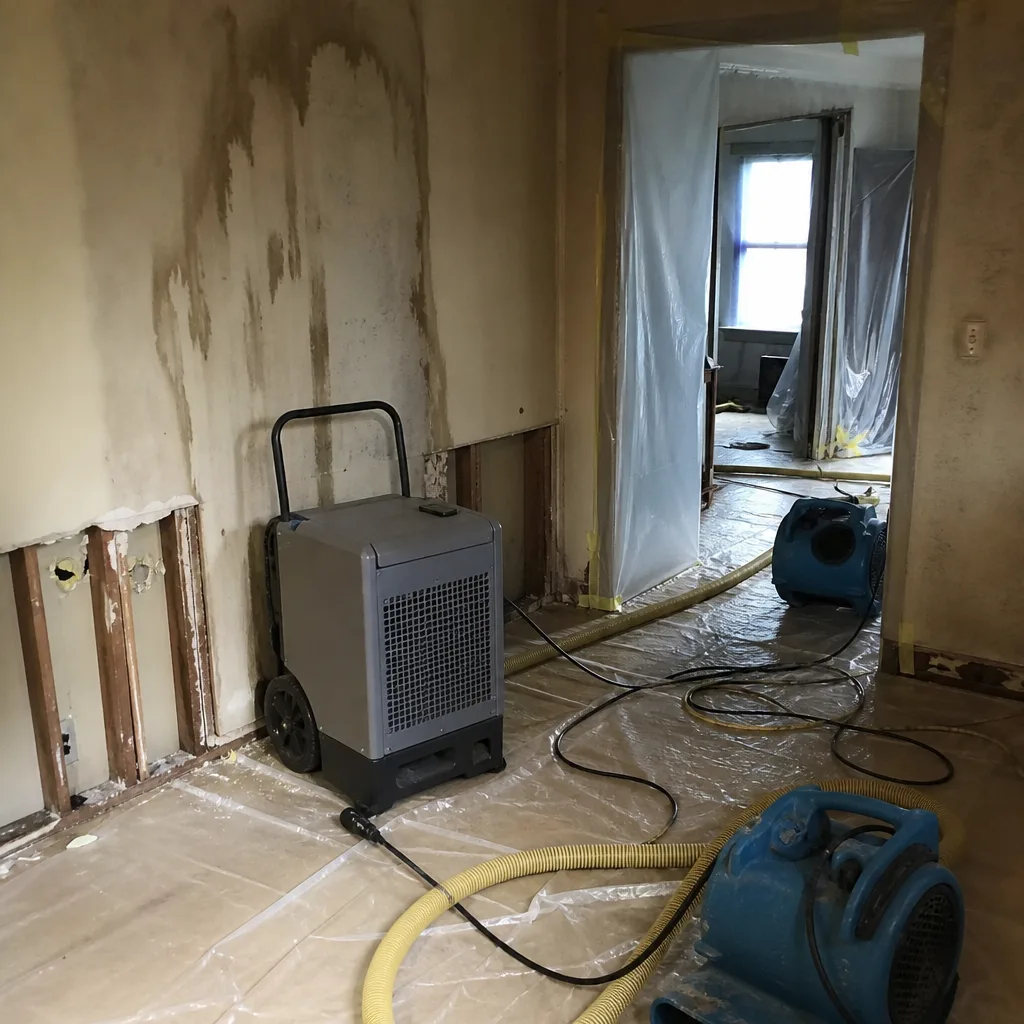 Before
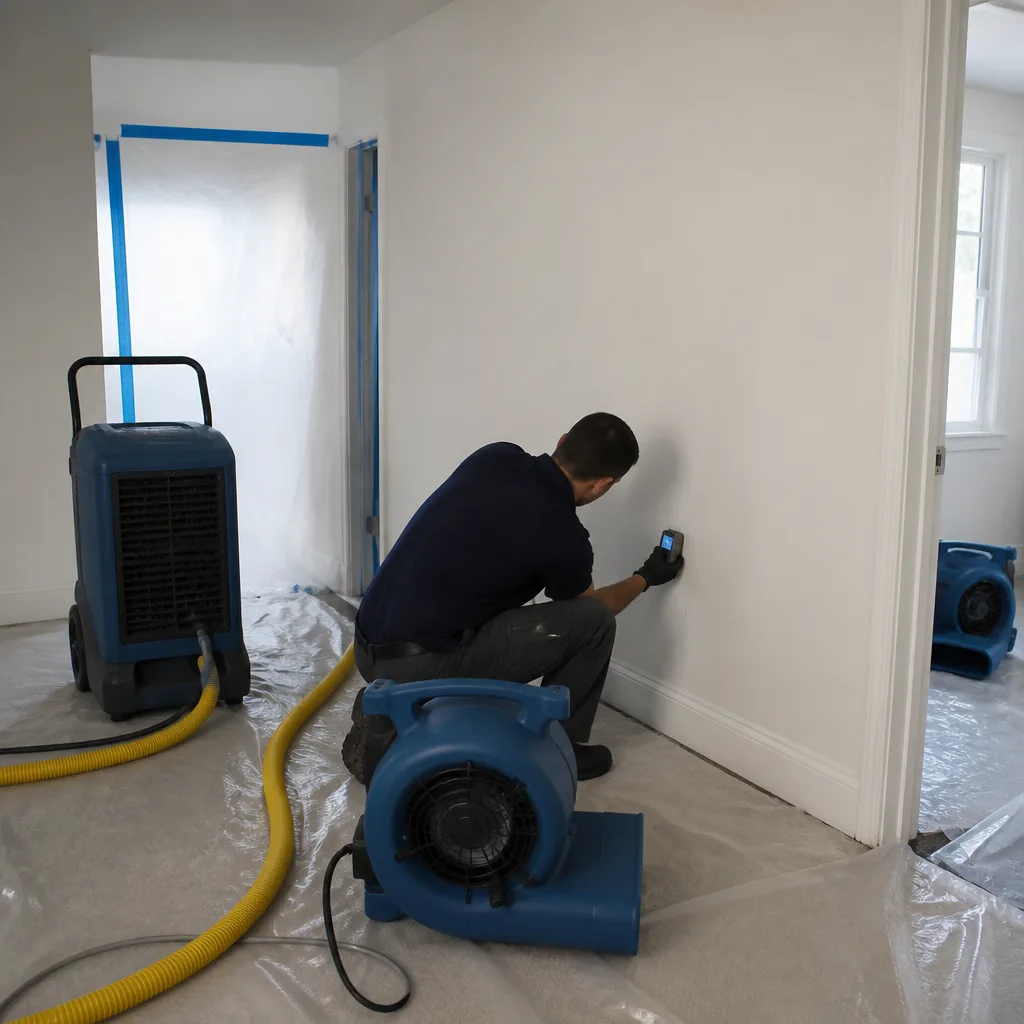 After
After