
Last updated October 16, 2026
 Water damage drying
 Fire & smoke cleanup
 Mold remediation
 Storm response
 Sewage cleanup
 Reconstruction
Free visual inspection and a written scope of work before any mitigation begins - photos, moisture readings, and drying logs go in your claim file
The scope we write is the scope we bill. Anything new gets shown to you, in writing, before we touch it.
Get your free estimateSeasonal Damage Restoration Care for Los Angeles: Year-Round Homeowner’s Guide
Restoration crews in Los Angeles are busiest in February, not December. That surprises people. The first heavy rain after months of drought hits clogged drains, dry-cracked caulk, and bone-dry wood framing all at once, compressing a season’s worth of water damage into a single weekend. This guide and our complete guide to damage restoration in Los Angeles explain the four distinct risk windows homeowners actually face, what to check during each one, and when a moisture reading means you should call someone rather than wait it out. You’ll learn the specific vulnerabilities of LA homes, not generic advice written for a rainy suburb in Ohio.
Restoration work we handle
Quick Answer
Seasonal damage restoration care in Los Angeles means preparing for four distinct risk windows: the October-November pre-rain window, the December-March atmospheric river season, the April-May post-rain mold window, and the June-September irrigation and June Gloom period. Our Water Damage Restoration Maintenance Checklist for Los Angeles Homeowners covers exactly what to check in each. Homeowners who check gutters, drainage, crawl space moisture, and irrigation routing during each window prevent most of the water damage that Los Angeles restoration companies see every year. The single most important habit is checking your home’s moisture levels within two to four weeks after any significant rain event.
Table of Contents
- The Four Risk Windows Los Angeles Homeowners Actually Face
- October-November: The Pre-Rain Season Window
- December-March: The Atmospheric River Window
- April-May: The Post-Rain Mold Window
- June-September: Irrigation and June Gloom
- Santa Ana Season Cross-Risk: Fire Damage and Water Damage
- A Month-by-Month Monitoring Routine for Los Angeles Homes
- Common Mistakes to Avoid
- When to Call a Professional
- Frequently Asked Questions
- The Bottom Line
The Four Risk Windows Los Angeles Homeowners Actually Face
Los Angeles has a reputation for having no seasons. That reputation is exactly why homeowners get blindsided. The city does have seasons, they just don’t look like the ones in a New England calendar. Instead of winter, spring, summer, and fall, Los Angeles homeowners live with four distinct risk windows that each stress a home differently: atmospheric river season, Santa Ana fire season, summer irrigation overload, and June Gloom moisture buildup.
Here’s what each window does to a home in Los Angeles:
- October-November (pre-rain): Months of dry weather have filled gutters with leaves, dust, and ash. Downspouts are clogged. Caulk has cracked. The ground is hard and hydrophobic. When the first real rain arrives, water that should flow away from the house instead pools against the foundation and finds every crack.
- December-March (atmospheric rivers): Multi-day rain events saturate the soil, raise the water table, and push moisture into crawl spaces, wall cavities, and slab foundations. This is when we see the majority of hidden water damage in Los Angeles homes.
- April-May (post-rain mold): The two to four weeks after rain events are when mold colonies establish themselves in homes that got wet but dried on the surface. Los Angeles homeowners often think the danger has passed when the rain stops. It hasn’t.
- June-September (June Gloom and irrigation): Coastal eddy fog keeps ambient humidity high in the mornings, slowing natural drying. Meanwhile, overwatered landscaping sends water toward foundations all summer long. This is the season of slow, cumulative damage.
Each window demands a different set of checks. The rest of this guide breaks them down one by one. For a deeper look at how water damage works in Los Angeles specifically, see our Water Damage Restoration in Los Angeles guide.
October-November: The Pre-Rain Season Window
The most important preparation window in Los Angeles is October and November, before the first real rain. By the time rain is falling, it’s too late to fix a clogged downspout. The dry months have done their work: leaves, dust, and in fire-prone years, ash have accumulated in every horizontal surface of your home’s drainage system.
Here’s what to check during this window, in order of priority:
- Gutters and downspouts. After months of dry weather, Los Angeles gutters fill with a specific combination: eucalyptus leaves, pine needles, dust, and in fire-adjacent years, fine ash. This combo compacts into a dense mat that blocks even wide gutters. Downspouts clog at the elbow joints. A single blocked downspout can send hundreds of gallons of water against your foundation during the first heavy rain. Check every downspout by running a hose through it, not just by looking.
- Drainage channels and swales. Many Los Angeles homes, especially in hillside neighborhoods like Mount Washington, Silver Lake, and Baldwin Hills, rely on drainage channels that run along property lines. These channels fill with debris during dry months. Clear them by hand. If you can’t see the bottom, water can’t flow through.
- Caulk and sealant around windows, doors, and penetrations. Los Angeles UV exposure is brutal on exterior caulk. After a single summer, caulk can crack and pull away from siding. The first rain finds those gaps. Run a bead of exterior-grade caulk around every window frame, door frame, and utility penetration. This is a two-hour job that prevents thousands of dollars in water damage.
- Roof and flashing checks. Los Angeles roofs don’t fail suddenly. They fail slowly, through dried-out flashing, lifted shingles, and cracked sealant around vents. A visual check from the ground or a ladder is enough to catch most problems. Look for lifted edges, missing granules, and rusted flashing around chimneys and vents.
- Downspout extensions. In Los Angeles, a downspout that dumps water three feet from the foundation is a downspout that’s failing. The city’s expansive clay soils shrink during dry months and swell when wet. Water dumped near the foundation causes the soil to swell unevenly, which cracks slabs and foundation walls. Extend every downspout at least five feet from the house, preferably onto a sloped surface.
The leaf-and-ash combo after fire season deserves special attention. If a wildfire burned within a few miles of your home during the summer or fall, your gutters are carrying fine ash that acts like cement when wet. Remove ash before adding water. Wet ash is heavy, abrasive, and hard to flush once it hardens.
December-March: The Atmospheric River Window
Atmospheric rivers are long, narrow bands of moisture that dump inches of rain on Los Angeles over several days. The danger isn’t the first inch. It’s the third and fourth inch, falling on soil that is already saturated. This is when crawl spaces flood, wall cavities soak, and foundations sit in standing water for days at a time.
During a multi-day rain event, monitoring matters more than checking once. Here’s a step-by-step approach:
- Check your crawl space before the rain starts. If you have a crawl space, know its baseline moisture level. A digital moisture meter costs about $30 and takes a reading in seconds. Normal wood in a dry Los Angeles crawl space reads 8-12%. If you’re already seeing 16% or higher before rain, you have a drainage problem that rain will make worse.
- During the rain, check for ponding. Walk the perimeter of your home. Look for water pooling within five feet of the foundation. Los Angeles clay soil drains slowly. Water that’s still ponding an hour after rain stops is water that’s soaking into the ground next to your foundation.
- Check the crawl space again after day one. If moisture readings in wood framing have climbed above 20%, that wood is wet enough to support mold growth. This is the point where you should call a restoration professional, not wait to see what happens. Wet wood doesn’t dry on its own in a confined crawl space, especially during a multi-day storm.
- Monitor wall cavities if you see staining. Water that enters through a window frame or wall penetration travels down inside the wall cavity. If you see staining on interior walls or baseboards, the cavity behind it is wet. This is a hidden problem that will not resolve on its own.
The “wait and see” instinct is strong. Homeowners tell themselves that a crawl space will dry out once the sun comes back. In Los Angeles, that’s sometimes true in the dry season. During atmospheric river season it’s almost never true. The air is saturated, the soil is saturated, and the crawl space has no ventilation. Moisture levels that hit 20% or higher during a December or January storm stay high for weeks. That’s the window when mold establishes.
We perform Water Damage Repair in Los Angeles on homes where the damage happened during one storm, but the homeowner didn’t discover it until weeks later because the surface looked dry. The moisture was hiding inside wall cavities and under flooring the whole time. Psychrometric drying, the process of tracking air moisture levels to confirm a space is truly dry rather than surface-dry, is what determines whether a repair is complete. A surface can feel dry while the framing behind it is still soaking.
April-May: The Post-Rain Mold Window
The two to four weeks after rain events are when hidden mold colonies establish themselves in Los Angeles homes. This is the window homeowners miss most often. The rain has stopped, the sun is out, the surface of everything feels dry, and the assumption is that the house dried fine. It usually didn’t.
Here’s why: mold needs three things to grow: moisture, organic material, and time. Los Angeles homes have no shortage of organic material. Drywall paper, wood framing, carpet backing, and dust are all food sources. The moisture is already inside the wall cavity or under the floor from the rain event. And the time is exactly this two-to-four-week window, when temperatures are warming up and the moisture hasn’t yet evaporated from confined spaces.
What to look for during April and May in Los Angeles:
- Musty or earthy smells that persist. A smell that comes and goes with the weather is often a sign of mold growth behind a surface you can’t see. Trust your nose. It detects mold growth long before your eyes can.
- New staining on ceilings or walls. Water stains that appear weeks after the last rain mean water is still working its way through building materials. The original entry point may have dried, but the water inside has not.
- Peeling paint or bubbling drywall. These are late-stage indicators. By the time paint peels, the drywall behind it has been wet for weeks.
- Warped baseboards or floorboards. Wood that swells and doesn’t return to its original shape has absorbed water into the fibers. That moisture is still there.
If you notice any of these signs, you want a professional assessment, not a wait-and-see. Mold that establishes in April doesn’t go away on its own. It goes dormant during dry periods and reactivates when humidity returns. Our Mold Remediation in Los Angeles guide covers what a proper remediation looks like, including the antimicrobial treatment protocols we follow under IICRC and RIA standards.
June-September: Irrigation and June Gloom
Summer in Los Angeles isn’t dry in the way most people assume. June Gloom, the marine layer that sits over coastal and inland neighborhoods every morning from June through August, keeps ambient humidity high during the exact hours when homes would otherwise dry naturally. This matters because interior drying rates depend on the difference between the moisture in the air and the moisture in your building materials. When the air is already damp, wet materials dry slowly, even on warm days.
Meanwhile, summer is also when homeowners run irrigation systems heavily. Overwatered landscaping is one of the most common sources of foundation water damage we see in Los Angeles, and it’s almost entirely invisible until it’s too late.
Here’s what to check during the June through September window:
- Irrigation spray patterns. Sprinklers that spray against the house are water-damage machines. Every cycle sends water against the stucco, siding, or foundation. Over a full Los Angeles summer, that’s thousands of gallons of water concentrated in one spot. Adjust spray heads so they water plants, not walls.
- Foundation soil moisture. The soil directly against your foundation should be dry enough to crumble in your hand during the summer. If it’s damp or muddy, water is pooling there. This is often from irrigation runoff or a leak in the irrigation line itself. Persistent damp soil against a foundation leads to hydrostatic pressure, which forces water through cracks and into basements and crawl spaces.
- Window condensation patterns. During June Gloom mornings, coastal Los Angeles homes often show condensation on interior window surfaces. That condensation is a sign that interior humidity is high, which slows drying anywhere moisture is present. Running a dehumidifier during these months, especially in homes that had water issues earlier in the year, is cheap insurance.
- Planter boxes and raised beds against the house. A planter box built against an exterior wall holds moisture directly against the structure. The soil stays damp, the wood or stucco behind it stays damp, and over the course of a summer, that moisture works its way into the wall cavity. If you have planter boxes against the house, line them with a waterproof barrier and leave an air gap between the box and the wall.
June Gloom also matters for homes recovering from earlier water damage. If you had water intrusion during the winter and didn’t address it fully, the high morning humidity of June and July creates ideal conditions for mold to reactivate. The RIA and IFA standards we follow for drying and restoration account for this: a space isn’t dry until the moisture readings say it’s dry, regardless of how the surface feels.
Santa Ana Season Cross-Risk: Fire Damage and Water Damage
Santa Ana winds, which peak in October and November, create a cross-risk that most Los Angeles homeowners don’t connect: fire-damaged properties are also high water-damage risks once the rainy season hits. The connection is direct and physical. When hillsides burn, the vegetation that held soil in place is gone. When the first heavy rain falls on denuded hillsides, the soil moves. Mudflows, debris flows, and flash flooding follow the paths of previous fires.
If your home sits below a burned hillside in Los Angeles, your flood risk is dramatically elevated for two to three years after the fire, even if your home was never directly threatened by the flames. The Los Angeles County Department of Public Works tracks post-fire debris flow risk zones, and homes in those zones should have flood protection measures in place before the first rain. This includes sandbags, deflection barriers, and clear drainage channels.
But the cross-risk also applies to homes that did experience fire damage. Structural firefighting uses enormous volumes of water. A home that was saved from a fire by firefighters may have had thousands of gallons of water sprayed into attics, walls, and crawl spaces. That water, combined with the dry heat and char residue, creates conditions where mold grows quickly and hidden in hard-to-reach spaces. If your home was involved in a fire response, even one that caused no visible fire damage to your property, check for water intrusion in the weeks after the incident.
The equipment brands we rely on, Dri-Eaz and Phoenix among them, are the same ones used on large commercial fire-loss sites in California. The drying standards are the same for a residential crawl space after a fire response as they are for a commercial building after a flood: measure, dry, verify, and document. That documentation matters when you’re filing an insurance claim that involves both fire and water damage.
A Month-by-Month Monitoring Routine for Los Angeles Homes
The most effective way to prevent seasonal water damage in Los Angeles is a simple monthly routine. Here’s what we recommend, month by month:
- January: Check crawl space moisture readings after the first major rain. Anything above 16% in wood framing warrants attention.
- February: Inspect exterior walls and foundation for water stains, efflorescence (white mineral deposits), or damp soil. February is the busiest month for restoration in Los Angeles for a reason.
- March: Check interior baseboards, window sills, and closet corners for hidden moisture or staining. March rain events catch homeowners who thought the wet season was over.
- April: Start mold vigilance. Check attics and crawl spaces for musty smells as temperatures climb. April is when established colonies become detectable by nose.
- May: Test irrigation systems before summer. Look for leaks, spray patterns that hit the house, and soil that stays damp between watering cycles.
- June: Monitor interior humidity during June Gloom mornings. If interior humidity consistently runs above 60%, run a dehumidifier, especially in coastal neighborhoods like Santa Monica, Venice, and the Palisades.
- July: Check foundation soil moisture and downspout discharge. Summer is when slow leaks show up as consistently damp patches.
- August: Inspect roof flashing, vents, and shingles while the weather is dry and predictable. Repairs made in August prevent February emergencies.
- September: Clean gutters after summer wind and before the first significant rain. Check downspout extensions for damage or disconnection.
- October: Full pre-rain inspection: gutters, downspouts, drainage channels, caulk, and roof. This is the last window before the risk window opens.
- November: First rain response: check for leaks during the first real storm and act immediately on any moisture that penetrates the building envelope.
- December: Monitor for ponding and saturation during multi-day atmospheric river events. Check crawl spaces mid-storm if safe to access.
This routine takes about 30 minutes per month. Most of it requires nothing more than a flashlight, a moisture meter, and the willingness to walk the perimeter of your home with your eyes open. The homes that avoid seasonal damage in Los Angeles aren’t lucky. They’re monitored.
Common Mistakes to Avoid
- Assuming Los Angeles has no seasons. The city has four distinct risk windows, and each one damages homes differently. Homeowners who ignore the calendar get caught by the first atmospheric river with clogged gutters and cracked caulk.
- Waiting to see if a wet area dries on its own. In Los Angeles, the rainy season air is too saturated for confined spaces to dry naturally. Wet wood in a crawl space during February stays wet into April, and that’s exactly when mold establishes.
- Trusting surface appearance. A wall, floor, or ceiling can feel completely dry while the framing behind it is still holding moisture at levels that support mold growth. The only way to know is with a moisture meter, not your hand.
- Ignoring irrigation overspray. Sprinklers that spray against the house are among the most common and least noticed sources of foundation water damage in Los Angeles. A single misadjusted spray head can cause tens of thousands of dollars of damage over several summers.
- Skipping the post-rain mold check. The two to four weeks after rain events are when mold establishes. Homeowners who treat the last rain as the end of the risk period miss the most important window for detection.
- Dealing with a water intrusion without documenting it. Insurance claims depend on documentation. Photos, moisture readings, and a written scope of work matter. If you have a leak, take photos before you start any cleanup, not after.
- Assuming fire season and water season are unrelated. In Los Angeles, burned hillsides above your home are a flood risk for years after the fire. And water used in firefighting creates hidden moisture damage in homes that were saved from the flames.
When to Call a Professional
Call a professional when moisture readings in wood framing hit 20% or higher, when you see staining that appears weeks after a rain event, when you smell musty odors that won’t go away, or when water has pooled against your foundation for more than a few hours. These are the situations where the damage has already moved past what a homeowner can address with a fan and hope. Wendell Restoration Los Angeles offers free estimates in Los Angeles. Call (213) 349-9500 and you’ll talk to a live person, every time, 24/7. We put the price in writing before any work starts. The number on the screen is the number you pay.
Our technicians are background-checked and uniformed. You get a live arrival time you can track, not a vague four-hour window. We use professional restoration equipment from Dri-Eaz and Phoenix, and we follow IICRC, RIA, and IFA standards on every job. If you’ve had water damage in a Los Angeles home, the same discipline applies whether it’s a small bathroom leak or a whole-house atmospheric river event: measure, dry, verify, document, and restore. See our Wendell Restoration Los Angeles home page to learn more about how we work.
Frequently Asked Questions
Water damage restoration in Los Angeles typically costs between $1,200 and $6,000 depending on the size of the affected area, the amount of moisture in building materials, and whether mold has developed. See our Damage Restoration Cost Breakdown: The Los Angeles Homeowner’s Reference for 2026 for detailed pricing factors. A small bathroom leak with prompt response is at the low end. A flooded crawl space with saturated framing and mold growth is at the high end. Every job at Wendell Restoration Los Angeles starts with a written estimate before any work begins, so you know the price before we touch a tool. Call (213) 349-9500 for a free estimate.
Most homeowners insurance policies cover sudden and accidental water damage, such as a burst pipe or storm-driven intrusion, but not damage from neglect or long-term maintenance failures. The distinction matters: a clogged gutter that caused a foundation leak over months may not be covered, while a sudden roof leak during an atmospheric river typically is. We document everything with before-and-after photos and provide the written scope of work your adjuster needs. Our technicians coordinate directly with insurance carriers, so you’re not translating moisture readings into insurance language yourself.
Wendell Restoration Los Angeles has a live person answering the phone 24/7, and we dispatch technicians with a live arrival time you can track. In a water emergency, same-day response is available in most Los Angeles neighborhoods. The speed of response directly affects the scope of damage: water that sits for 24 hours causes more damage than water that’s extracted in the first few hours. Call (213) 349-9500 and you’ll know exactly when we’ll be there.
It depends on what the moisture readings show. If wood framing in the affected area reads above 20% moisture, the space needs professional drying, not just surface cleaning. Water that soaked into drywall, insulation, or subfloor will grow mold if left in place. A professional assessment with a moisture meter tells you the difference. We don’t sell you remediation you don’t need. We show you the readings, explain what they mean in plain language, and give you a written scope of work that addresses exactly what’s wet.
We do. Wendell Restoration Los Angeles coordinates directly with your insurance adjuster, provides photo documentation and written scopes of work, and walks the adjuster through the technical details. You’ll be involved in decisions, but you won’t be the one translating psychrometric drying data into claim language. That’s our job, and we’ve been doing it in Los Angeles since 2006.
Professional restoration companies use moisture meters and psychrometric readings to confirm a space is dry, not just surface-dry. At Wendell Restoration Los Angeles, we take moisture readings in the affected materials before, during, and after drying. We show you those readings. The job isn’t done until the numbers say the framing, subfloor, and wall cavities are back to a dry standard that can’t support mold growth. That’s the standard we hold ourselves to under IICRC, RIA, and IFA protocols.
The Bottom Line
Los Angeles homes face four distinct seasonal risk windows: the pre-rain window in October and November, the atmospheric river window from December through March, the post-rain mold window in April and May, and the irrigation and June Gloom window from June through September. Each window demands different checks, but the underlying principle is the same: moisture damage in Los Angeles is almost always a slow, hidden process that homeowners discover too late. A monthly monitoring routine, a $30 moisture meter, and the habit of checking before and after every rain event will prevent most of the water damage that Wendell Restoration Los Angeles gets called to fix. For more guides & resources, visit our blog. When moisture readings hit 20%, when you smell something that won’t go away, or when water pools against your foundation, don’t wait. Call us at (213) 349-9500. The price is in writing before any work starts, and we answer the phone like a company that actually answers.
Written by Blake Sorensen, Owner at Wendell Restoration Los Angeles, serving Los Angeles since 2006.
See the difference
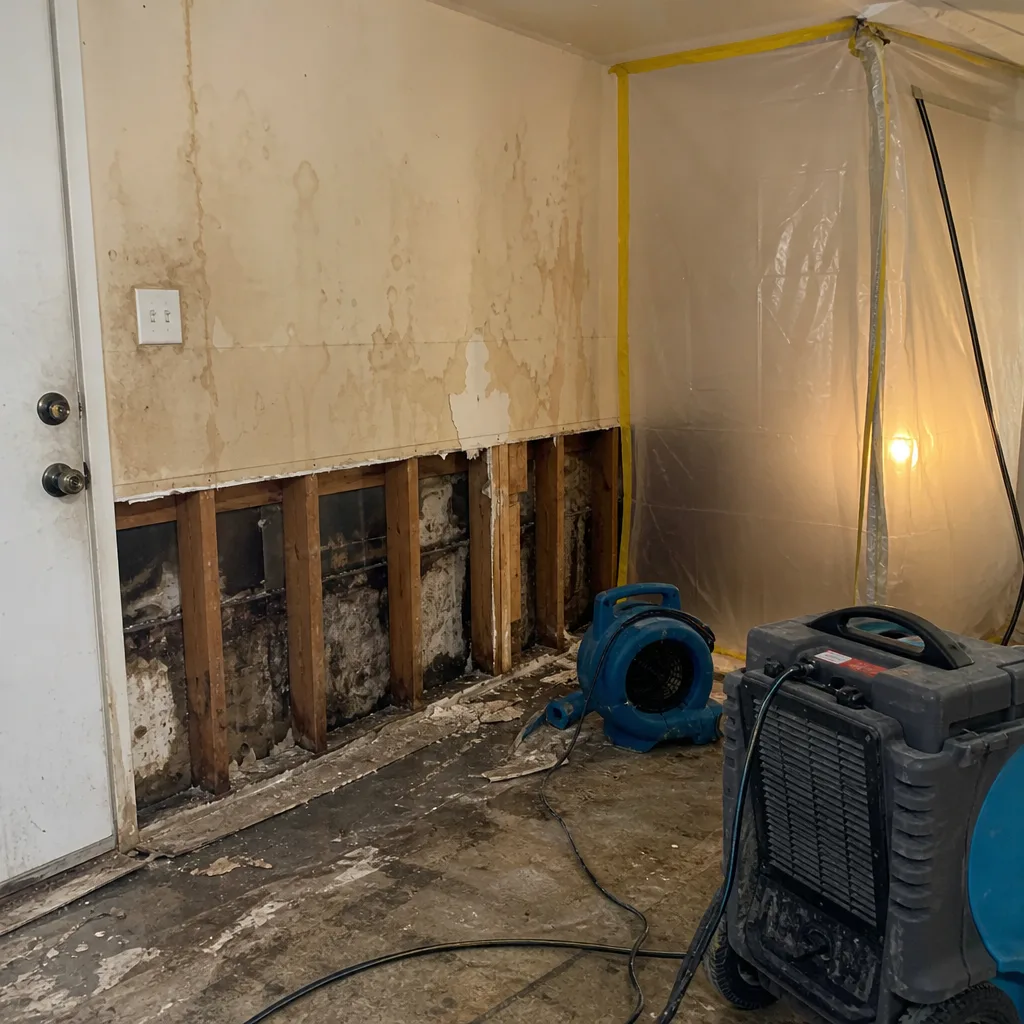 Before
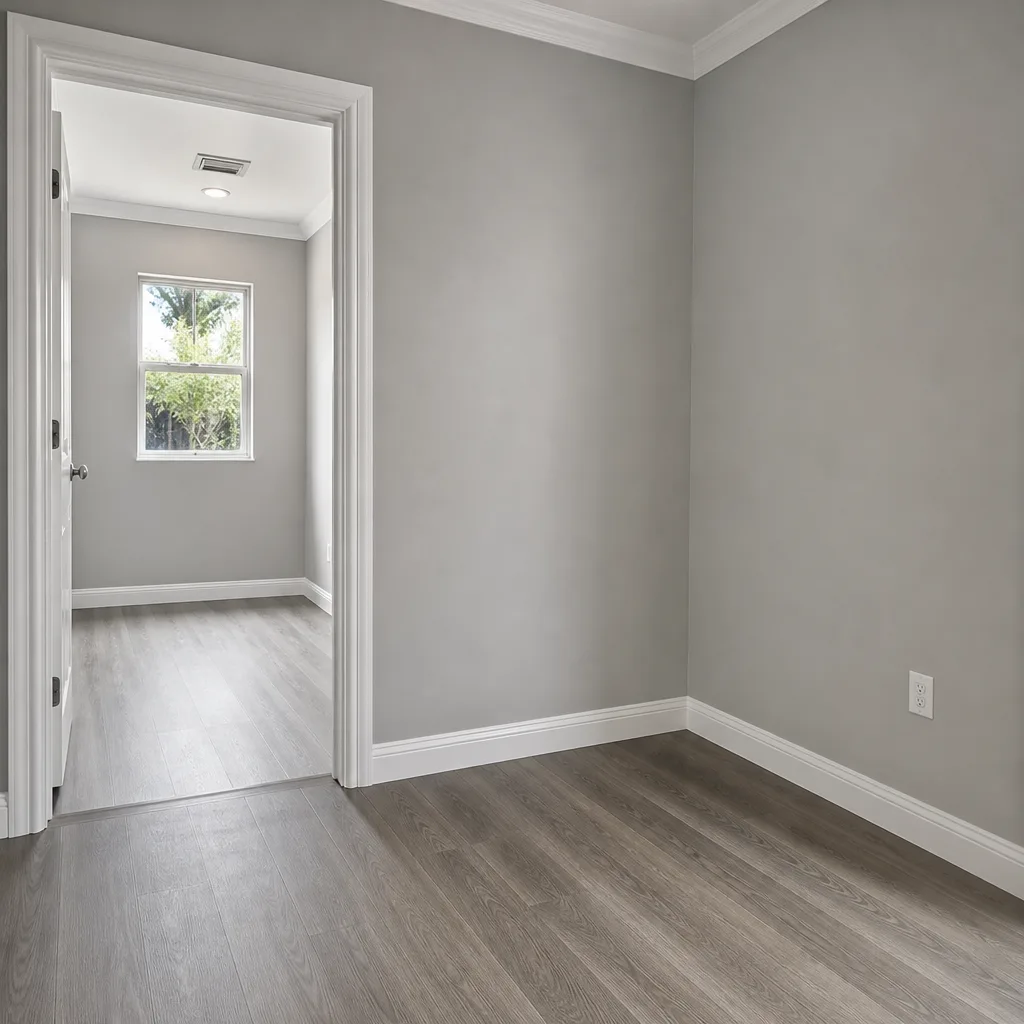 After
After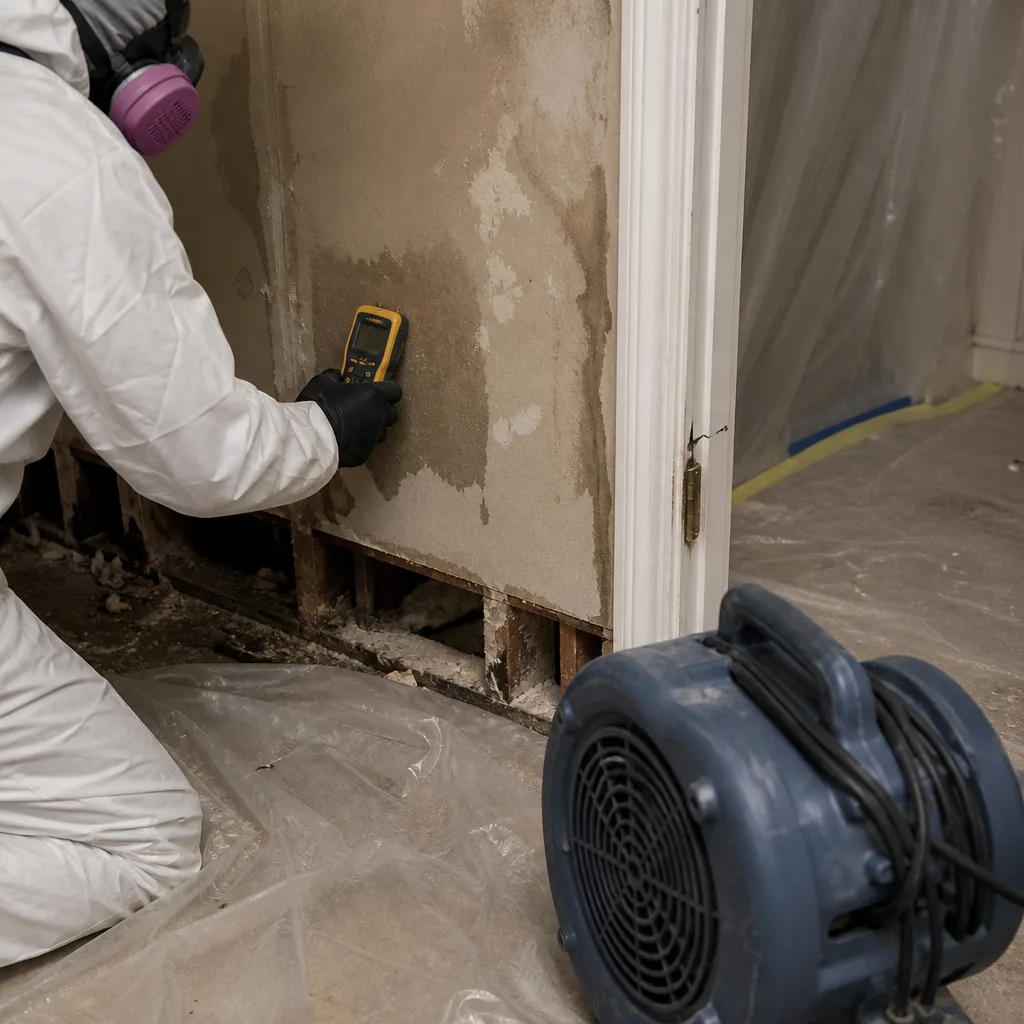 Before
 After
After Before
 After
After