
Last updated October 16, 2026
 Water damage drying
 Fire & smoke cleanup
 Mold remediation
 Storm response
 Sewage cleanup
 Reconstruction
Free visual inspection and a written scope of work before any mitigation begins - photos, moisture readings, and drying logs go in your claim file
The scope we write is the scope we bill. Anything new gets shown to you, in writing, before we touch it.
Get your free estimateWater Damage Restoration Maintenance Checklist for Los Angeles Homeowners
A slow drip behind a wall in a Los Angeles home can go undetected for 18 months. The dry climate that defines our city works against you here: it prevents the musty odor that usually tips off homeowners in humid states like Florida or Louisiana. By the time you smell mold in Los Angeles, you’re often looking at a Category 3 remediation job, the kind where drywall comes out, insulation gets bagged, and the bill runs into five figures. This guide gives you a trigger-based maintenance system built around the actual events that cause water damage in LA homes, from Santa Ana wind seasons to atmospheric rivers to aging galvanized pipes in pre-1970 construction. Check the right things at the right time and you can catch roughly 80% of water damage before it starts.
Quick Answer
Water damage prevention for Los Angeles homeowners comes down to checking roof penetrations, hillside drainage, foundation vents, irrigation systems, and water supply lines at specific triggers: before the first major rain, during Santa Ana wind events, and after any landscape or plumbing work. A trigger-based checklist beats a calendar-based one because LA’s water risks are event-driven, not seasonal in the traditional sense. Document everything with dated photos so you have a clean baseline for insurance claims if water damage ever does occur.
Restoration work we handle
Table of Contents
- Why Trigger-Based Maintenance Beats Calendar-Based Checklists in Los Angeles
- Pre-Rainy Season Checks: Roof Penetrations, Hillside Drainage, and Foundation Vents
- Galvanized Pipe Corrosion in Pre-1970 Homes: A Silent Epidemic
- Irrigation System Audit for LA’s Mandatory Watering Schedules
- Area Drains and Sump Systems: What Works vs. What’s One Storm Away from Failure
- Photo Documentation: Building Your Insurance Baseline
- Interior Warning Signs You Should Never Ignore
- LA’s Seasonal Triggers: Santa Anas, Atmospheric Rivers, and June Gloom
Why Trigger-Based Maintenance Beats Calendar-Based Checklists in Los Angeles
Most home maintenance checklists tell you to inspect your gutters in October and your pipes in January. That works in Chicago or Boston, where weather follows a predictable calendar. Los Angeles doesn’t work that way. Our rain comes in bursts, often after months of total dryness. Our winds arrive on their own schedule. Our irrigation runs year-round, which means a slow leak in a drip line can saturate soil under your slab for eleven months straight without a single rainstorm to wash it away or reveal it.
A trigger-based system means you check specific things when specific events happen. Atmospheric river forecast? That’s your trigger to clear roof drains and check hillside drainage. Santa Ana winds predicted? That’s your trigger to inspect roof penetrations and check for lifted flashing. Bought a house built before 1970? That’s a one-time trigger for a full galvanized pipe inspection. This approach catches problems at the moment they’re most likely to occur, not on an arbitrary date that may have nothing to do with your home’s actual risk profile.
In our experience running Wendell Restoration Los Angeles home inspections, the homes that need major water damage restoration are rarely the ones that got hit by a freak event. They’re the ones where a small problem sat unaddressed for months or years because nothing triggered a check. The trigger-based approach fixes that.
Pre-Rainy Season Checks: Roof Penetrations, Hillside Drainage, and Foundation Vents
FEMA’s post-storm damage surveys for LA County consistently identify three failure points that cause the most residential water intrusion during rain events. None of them are dramatic. All of them are checkable by a homeowner in under an hour.
1. Roof Penetrations
Every pipe vent, chimney flashing, skylight, and HVAC penetration through your roof is a potential water entry point. The sealant around these penetrations degrades under LA’s intense UV exposure, which is far more aggressive than in cloudier cities. A penetration sealed five years ago in Los Angeles has absorbed roughly 30% more UV radiation than the same sealant in Seattle. That means rechecking these seals before every rainy season, not every few years.
What to look for: cracked or peeling sealant, lifted flashing, visible gaps between the penetration and the roofing material. If you can see daylight through a gap, water will find it. From inside the attic, look for water stains on the underside of the roof deck, especially radiating outward from penetrations.
2. Hillside Drainage Swales
Hillside homes in Los Angeles neighborhoods like Mount Washington, Echo Park, Silver Lake, and the Hollywood Hills have a unique risk: the ground above you drains onto your property. Most hillside lots have swales, shallow channels designed to direct runoff around the structure. When these swales fill with debris, erode, or get blocked by landscaping, water flows straight into your foundation or sub-grade rooms.
Walk your property’s uphill edge before the first major rain. Clear any debris from swales. Check that they still slope away from your foundation. If a neighbor’s construction or landscaping has changed the drainage pattern, document it and address it immediately. Hillside drainage failures are a top cause of the water damage restoration in Los Angeles calls we handle after major storms.
3. Foundation Vent Clearance
Foundation vents allow air to circulate under raised floors, but they also let rainwater in if the exterior grade has risen or debris has accumulated. In LA’s older neighborhoods, decades of landscaping, additions, and settling can leave foundation vents too close to the soil line. A vent that sits below grade or within two inches of soil will channel water under your house during heavy rain.
Check every foundation vent from the outside. Clear accumulated soil, leaves, or mulch. If a vent sits below the exterior grade, you need a professional fix before the rains arrive. A small investment now beats a crawl space full of standing water later.
Galvanized Pipe Corrosion in Pre-1970 Homes: A Silent Epidemic
If your Los Angeles home was built before 1970, there’s a strong chance it has galvanized steel supply pipes. These pipes have a zinc coating that was designed to prevent rust. That coating lasts roughly 50 years. That means every galvanized pipe in every pre-1970 LA home is now past its design life. The corrosion pattern is predictable and dangerous: rust builds up from the inside, narrowing the pipe’s interior diameter and creating weak points that eventually fail.
The visible warning signs are specific. Look for rust-colored water when you first run a tap after the water has been sitting in the pipes. Look for flaking or crusty buildup at threaded joints, especially under sinks and at the water heater connection. Check for water stains on walls or ceilings below bathroom fixtures: a pinhole leak in a galvanized pipe often starts as a slow seep that stains drywall before it ever drips visibly.
Los Angeles neighborhoods with heavy pre-war and mid-century housing stock, like West Adams, Leimert Park, Highland Park, and much of the San Fernando Valley, see this pattern constantly. The fix is replacement, usually with copper or PEX. The failure mode, if you ignore it, is a burst pipe inside a wall, the kind of event that requires full water damage repair in Los Angeles with drywall removal, structural drying, and often mold treatment.
If you’re not sure what your supply lines are made of, check where the main line enters the house. Galvanized pipe is dull gray and magnetic. Copper is, obviously, copper colored. PEX is flexible plastic, usually red or blue. If you find galvanized, start budgeting for replacement now, and be extra alert for the warning signs above.
Irrigation System Audit for LA’s Mandatory Watering Schedules
Los Angeles has mandatory watering schedules that limit outdoor irrigation to specific days and times. That’s good for water conservation, but it creates a hidden water damage risk: when your irrigation only runs twice a week, a slow leak in a drip line or supply line can run for months without being noticed. The water goes into the soil, saturates the ground next to your foundation, and eventually finds its way into your slab or sub-grade spaces.
A poorly timed or leaky drip system is one of the top causes of slow-leak slab damage we encounter in Los Angeles homes. The damage pattern is distinctive: moisture wicks up through the slab, causing flooring to warp or cup, baseboards to swell, and in severe cases, efflorescence (white mineral deposits) to appear on concrete surfaces. By the time you see these signs, the leak has usually been running for weeks or months.
Irrigation Audit Steps
- Run each zone manually and watch the entire line. Look for water bubbling up where it shouldn’t, wet spots in soil, or areas where pressure seems low, which often indicates a leak upstream.
- Check drip emitters for clogging or breakage. A broken emitter sprays water directly against your foundation or stucco instead of dripping at the plant base.
- Inspect valve boxes for standing water or signs of slow seepage. A valve that doesn’t fully close wastes water continuously, even when the system is off.
- Monitor your water bill for unexplained increases. A spike of $20-$40 per month with no change in usage is a classic sign of a slow irrigation leak.
- Check the area between the irrigation line and your foundation after each watering cycle. The soil should be moist, not saturated. Standing water or mud is a problem.
The challenge with slab leaks from irrigation is detection. Water can travel along the outside of a pipe or through soil for surprising distances before it enters your home. Documentation and regular inspection are your best tools here.
Area Drains and Sump Systems: What Works vs. What’s One Storm Away from Failure
Area drains and sump systems are the unsung heroes of water damage prevention in Los Angeles, especially in homes with finished basements, sub-grade rooms, or below-street-level entries. These features exist to channel water away from your foundation. When they work, you never think about them. When they fail, the failure is often catastrophic and fast.
A properly functioning area drain sits slightly below the surrounding surface, creating a low point that captures runoff. The grate should be clear, the drain should flow freely when water enters it, and the surrounding grade should slope toward the drain. You can test it by running a garden hose into the drain for a few minutes. The water should disappear immediately, not pool or back up.
Signs your area drain is one storm away from failure: standing water around the drain for more than a few minutes after rain, debris filling the grate, a drain that gurgles when water enters it (which indicates a partial blockage downstream), or a drain that has been covered over by landscaping, pavers, or construction. In Los Angeles, we frequently see area drains that haven’t been touched since the house was built. Roots, silt, and years of accumulated debris leave them functionally useless.
If you have a sump pump, test it before every rainy season. Pour a bucket of water into the sump basin and confirm the pump activates, discharges water, and shuts off automatically. Check the discharge line for blockages and make sure it extends at least six feet from your foundation. A sump pump that works is cheap insurance. A sump pump that fails during an atmospheric river event is a flooded basement.
For homes with finished basements or sub-grade rooms, these checks are not optional. When an area drain backs up into a finished space, the resulting damage often requires full water damage restoration with antimicrobial treatment, structural drying, and sometimes mold remediation in Los Angeles.
Photo Documentation: Building Your Insurance Baseline
Insurance adjusters speak a simple language: documentation. If you ever need to file a water damage claim, the single best thing you can do is have dated photos of your home’s current condition before any damage occurs. This gives you a clean baseline that proves the damage was caused by a specific event, not pre-existing conditions the insurance company might try to exclude.
What to photograph: every room from multiple angles, close-ups of plumbing fixtures and water supply lines, your water heater and its connections, the exterior of your home from all sides, your roof from the ground level, irrigation controls and visible lines, area drains and sump systems, and any existing cracks or stains you’re aware of. Store these photos in a cloud service with the dates visible in the file metadata.
Update your baseline whenever you make changes: new plumbing, roof work, landscaping changes, or renovations. If water damage does occur, photograph the damage immediately, before any cleanup begins. Then photograph the cleanup process as it happens. This level of documentation makes insurance claims dramatically smoother and protects you from adjusters who might otherwise question whether damage was pre-existing.
The standard we hold ourselves to, the same standard that guides our Water Damage Restoration services, is photo documentation of everything. Before-and-after photos by text are a core part of how we operate at Wendell Restoration Los Angeles. Your insurer will respect the same level of diligence from you.
Interior Warning Signs You Should Never Ignore
Even with perfect exterior maintenance, water can find its way into your Los Angeles home. The interior warning signs below are early indicators that something is wrong. In our experience, homeowners who catch these signs early spend thousands less on restoration than those who wait.
- Water stains on ceilings or walls that appear and grow over time, especially after rain. These often indicate a roof leak or a supply line leak inside a wall cavity.
- Warped or cupping flooring, especially in areas adjacent to bathrooms, kitchens, or exterior walls. This is a classic sign of a slow leak saturating the subfloor.
- Peeling or bubbling paint on walls or ceilings. Water behind paint breaks the bond, causing bubbles that can’t be fixed with a new coat.
- Mold or mildew odor that persists even in LA’s dry climate, or visible mold growth on surfaces. If you smell it, there’s a moisture source somewhere.
- Higher-than-normal water bills without an obvious explanation. Compare month-over-month usage on your bill, not just the dollar amount.
- Soft or swollen drywall anywhere in the home. Push gently on suspect areas. Drywall should feel firm. A soft spot means the material is saturated.
- Unexplained humidity in a specific room or area, especially if condensation forms on windows in that space but not elsewhere.
None of these signs resolves on its own. Every one of them gets worse with time. If you see any of them, investigate the source immediately or call a professional who can.
LA’s Seasonal Triggers: Santa Anas, Atmospheric Rivers, and June Gloom
Los Angeles has three distinct weather patterns that create specific water damage risks. Understanding these triggers helps you know when to check what.
Santa Ana Winds
Santa Ana winds blow from the desert toward the coast, usually between October and March. These winds are hot, dry, and powerful, with gusts that routinely exceed 50 mph in canyon areas. The water damage risk from Santa Anas is indirect but real: winds lift roofing materials, break tiles, tear flashing, and drive debris into roof penetrations. After a significant Santa Ana event, check your roof from the ground for missing or shifted tiles, visible gaps in flashing, and debris accumulation. Every displaced roofing material creates a water entry point for the next rain.
Atmospheric Rivers
Atmospheric rivers are narrow bands of concentrated moisture that can deliver several inches of rain to Los Angeles in 24 to 48 hours. These events, which typically hit between November and March, are responsible for most of LA’s serious water intrusion events. The trigger for checking your home is the forecast itself: when an atmospheric river is predicted, clear your roof drains and gutters, check your area drains, and make sure your sump system is ready. The window between forecast and landfall is usually 3 to 5 days, which is enough time to fix most issues if you act immediately.
June Gloom
June Gloom, the marine layer that keeps coastal LA gray and humid through early summer, rarely causes direct water damage. But it creates the conditions for hidden mold growth to become visible. If you have a slow leak that’s been saturating a wall cavity, the elevated humidity of June Gloom often triggers the first visible mold outbreak. If you see mold appear during this period, it’s a signal that a moisture problem has been present for longer than you realized. Treat it as a prompt for a full investigation, not a surface cleaning job.
Common Mistakes to Avoid
- Ignoring small stains because they’re “probably nothing.” A water stain is evidence that water has already entered your home. Even if the source has stopped, the moisture inside your walls may still be present and growing mold. Investigate every stain.
- Relying on a calendar-based checklist that ignores LA’s actual weather triggers. Checking your roof every October is fine, but if an atmospheric river is forecast for February, that’s when you need to be on your roof. Check with the forecast, not the date.
- Assuming new construction doesn’t need inspection. In Los Angeles, new construction can have water intrusion issues from the day it’s completed. Builders are often working against tight timelines, and penetration sealant gets missed or applied too thinly. Inspect new homes with the same care as old ones.
- Overlooking irrigation lines when checking for water issues. A leaking irrigation line can cause as much slab damage as a leaking supply pipe, but it’s easy to miss because the water goes into the soil, not onto your floor. Your irrigation system deserves the same scrutiny as your plumbing.
- Not documenting the “before” condition of your home. When water damage happens, your insurance claim depends on proving the damage was caused by a specific event. Without a documented baseline, you’re arguing from memory. That’s a weak position.
- Treating visible mold as a surface cleaning problem. Mold on the surface of a wall often indicates a much larger colony inside the wall cavity. Cleaning the surface without addressing the moisture source is a temporary fix that allows the underlying problem to keep growing.
- Failing to test sump pumps and area drains before the rainy season. Equipment that hasn’t run in six months has a higher failure rate than equipment that’s tested regularly. Testing takes five minutes and can prevent thousands in damage.
See the difference
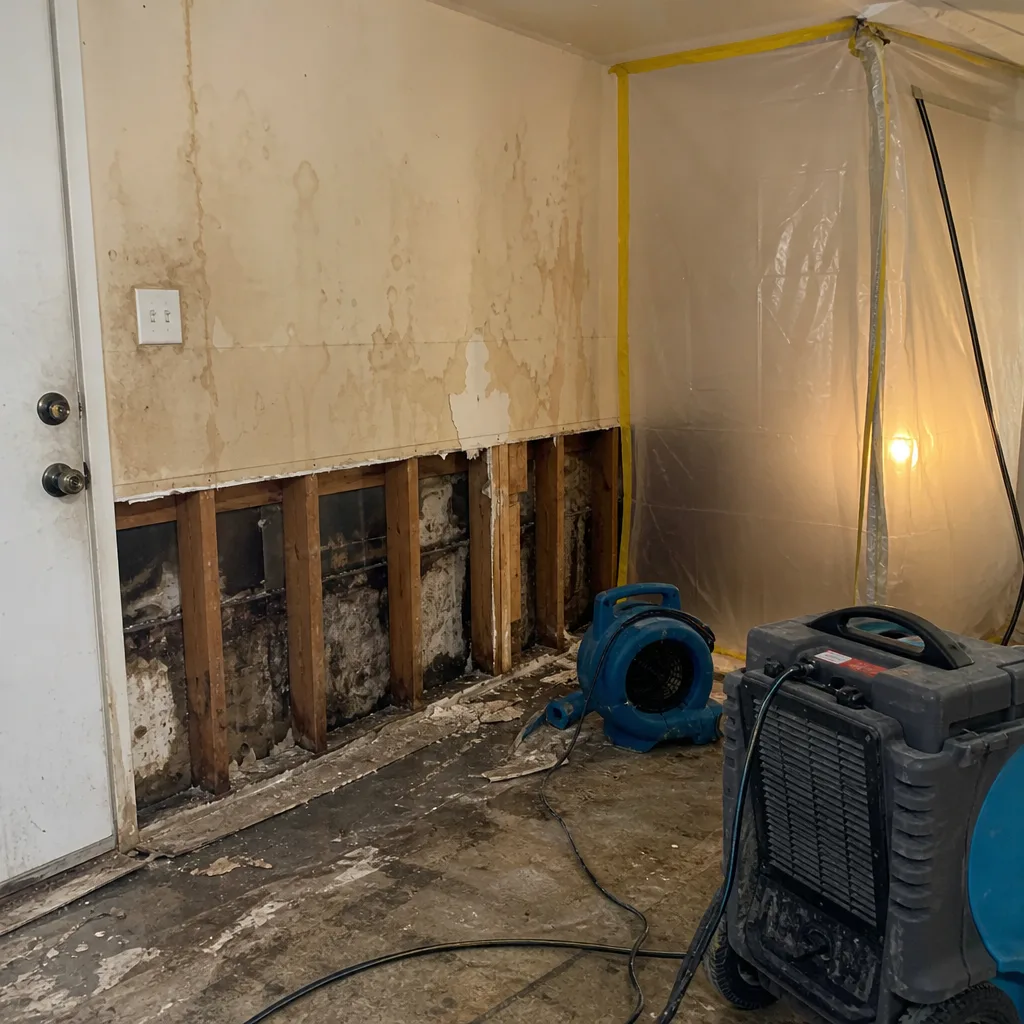 Before
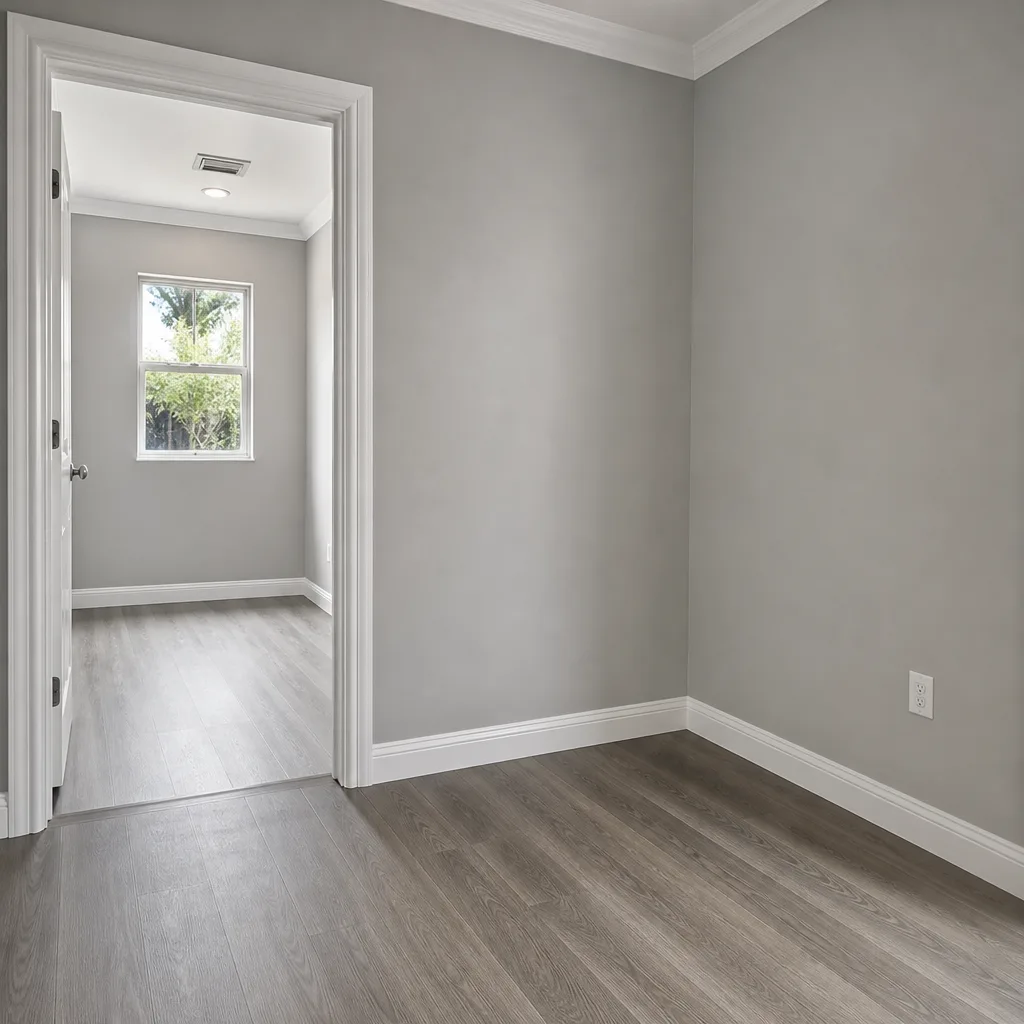 After
After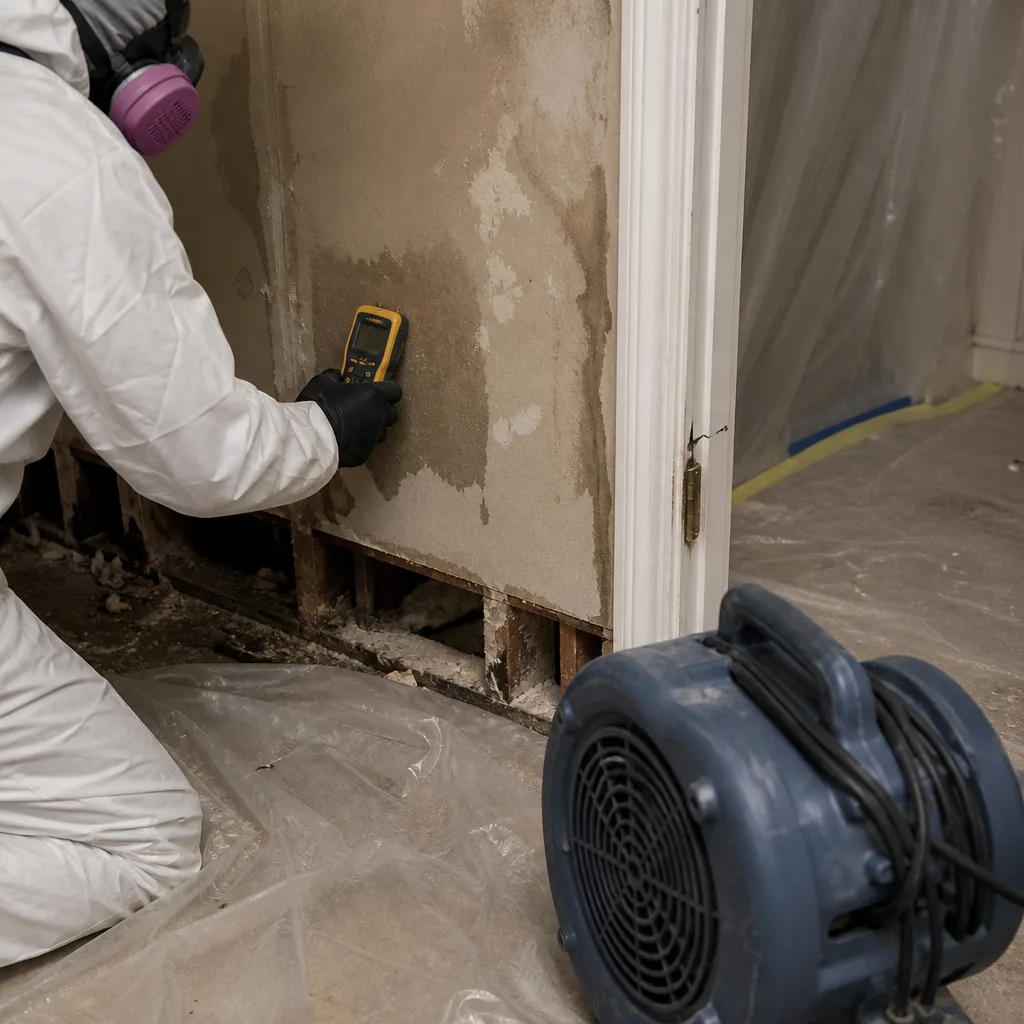 Before
 After
After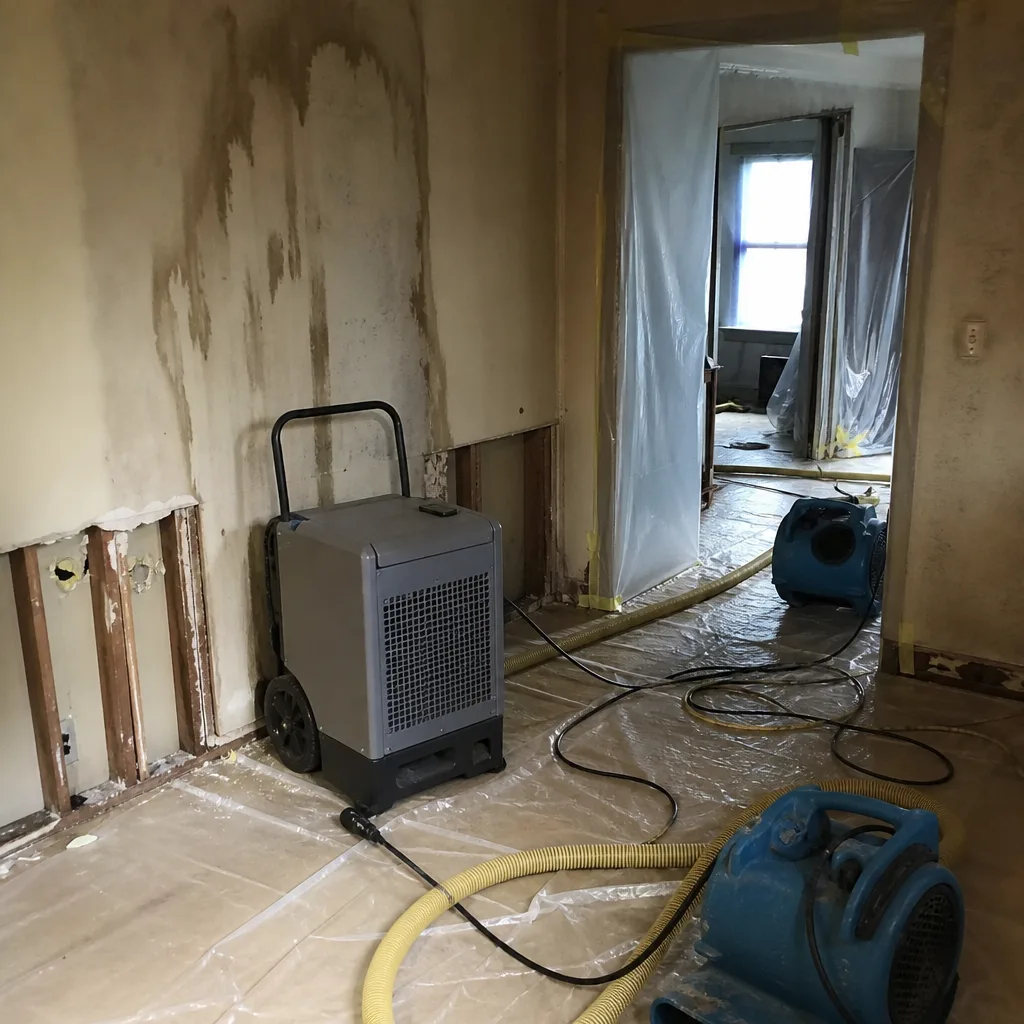 Before
 After
AfterWhen to Call a Professional
Some water damage issues are genuinely DIY-inspectable. Others require professional evaluation and equipment. You should call a professional if you find active water intrusion that you can’t immediately trace to a visible source, if you see mold growth larger than a small patch, if you suspect a slab leak or a supply line leak inside a wall, if your area drains or sump system have failed during active rain, or if water has been present for more than 24 hours in any building material. Water damage compounds geometrically over time. What starts as a $500 repair becomes a $15,000 restoration job if you wait a week. Wendell Restoration Los Angeles offers free estimates across Los Angeles. Call (213) 349-9500 and we’ll have a technician out to assess the situation, often the same day.
Frequently Asked Questions
For a detailed breakdown, see our Damage Restoration Cost Breakdown: The Los Angeles Homeowner’s Reference for 2026. Water damage restoration in Los Angeles typically costs between $2,000 and $8,000 for a moderate event involving a single room, while full-home restoration from a major leak or flood can run $15,000 to $50,000 or more. The cost depends on the affected square footage, how long the water was present, whether mold developed, and how much drywall, flooring, and insulation needs replacement. Call (213) 349-9500 for a written estimate based on your specific situation.
Insurance typically covers sudden and accidental water damage, like a burst pipe, but may deny claims for damage caused by long-term neglect or lack of maintenance. This is exactly why documenting your maintenance efforts matters: if you can show you inspected and maintained your home regularly, your claim is much stronger. Our team works directly with adjusters and provides photo documentation to support your claim.
In most cases, we can have a technician at your Los Angeles home within hours of your call, not days. Water damage restoration is time-sensitive work, and we treat every call as urgent. Our dispatchers answer live 24/7 and our technicians arrive with a live arrival time you can track, not a vague four-hour window.
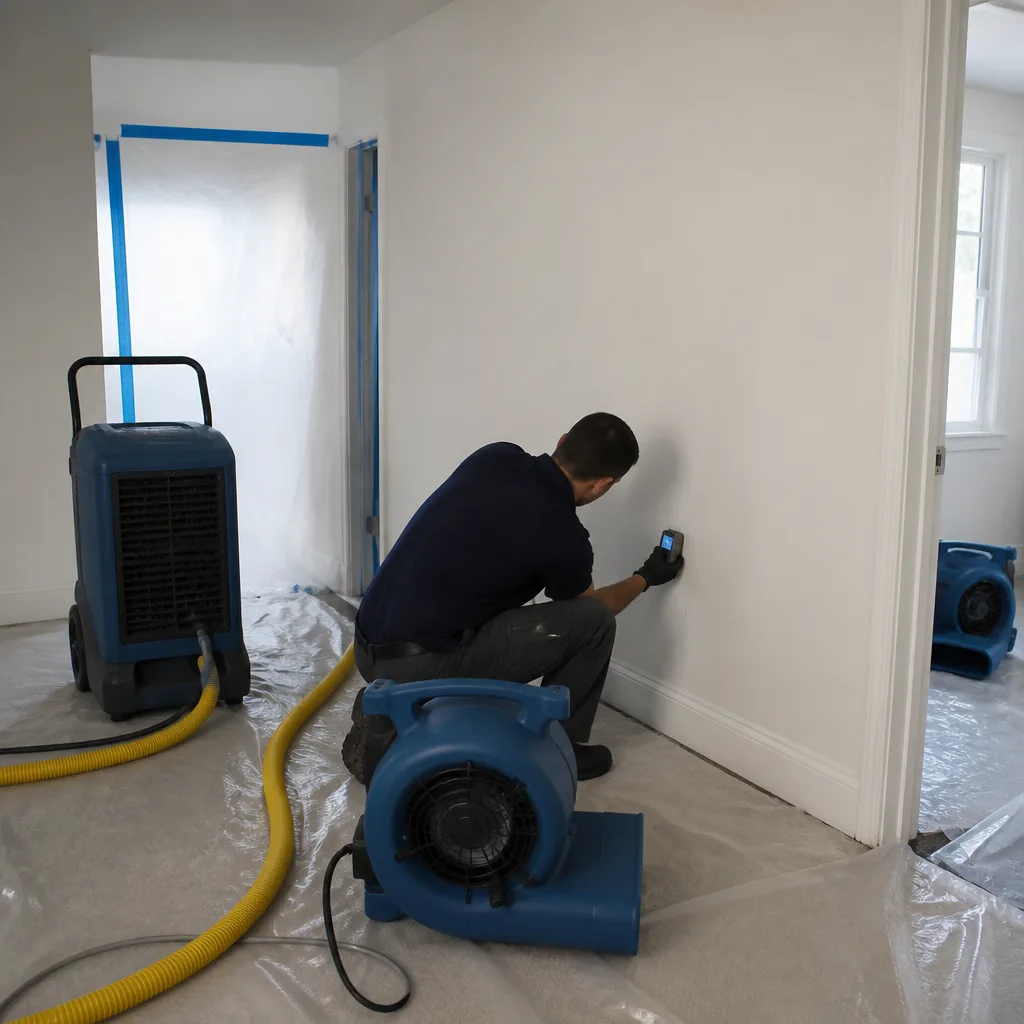
If water has saturated drywall, insulation, or flooring, cleanup alone is rarely sufficient. Water wicks into porous materials and creates conditions for mold growth that can’t be seen from the surface. A proper restoration includes moisture mapping with professional equipment, structural drying, and antimicrobial treatment where needed. We use equipment from companies like Phoenix, XPOWER, and B-Air to confirm your home is truly dry, not just surface-dry.
Water damage restoration focuses on the immediate response: extracting standing water, drying the structure, treating for mold, and stabilizing the property. Water damage repair is the reconstruction phase: replacing drywall, flooring, insulation, and other materials that couldn’t be saved. We handle both phases, which means one team manages your project from the first call to the final walkthrough.
Check the visible supply lines under your sinks and at your water heater. Galvanized steel is dull gray and magnetic. Copper is copper-colored and not magnetic. PEX is flexible plastic, usually red or blue. If you find galvanized pipe anywhere, there’s a good chance the entire system is galvanized, because mixed systems are rare in original construction. A professional inspection can confirm the full extent and help you plan for replacement before a pipe fails.
First, stop the source of water if you can do so safely, like turning off the main water supply. Second, photograph everything before moving furniture or starting cleanup. Third, call a restoration professional immediately. The first 24 to 48 hours are critical for preventing mold growth and limiting the scope of damage. Wendell Restoration Los Angeles answers calls live 24/7 at (213) 349-9500.
The Bottom Line
Water damage in Los Angeles follows predictable patterns. Roof penetrations fail after years of UV exposure. Galvanized pipes corrode from the inside. Irrigation leaks saturate soil and slabs. Area drains clog and back up during atmospheric rivers. None of these failures is a surprise if you’re checking the right things at the right times. For deeper coverage, read The Complete Guide to Damage Restoration in Los Angeles. The trigger-based system in this guide, organized around Santa Ana winds, rain events, irrigation schedules, and the age of your plumbing, gives you a framework for catching problems before they become restoration projects. Document your home’s condition now, check the triggers when they happen, and call a professional the moment you suspect water is where it shouldn’t be. The difference between an inconvenience and a disaster is almost always timing.
Written by Blake Sorensen, Owner at Wendell Restoration Los Angeles, serving Los Angeles since 2006.