
Last updated October 16, 2026
 Water damage drying
 Fire & smoke cleanup
 Mold remediation
 Storm response
 Sewage cleanup
 Reconstruction
Free visual inspection and a written scope of work before any mitigation begins - photos, moisture readings, and drying logs go in your claim file
The scope we write is the scope we bill. Anything new gets shown to you, in writing, before we touch it.
Get your free estimateDamage Restoration Warning Signs: A Los Angeles Homeowner’s Reference Guide
Here’s something that surprises most Los Angeles homeowners: the most-missed water damage warning sign in this city isn’t a stain on the ceiling. It’s a door that started sticking last March and hasn’t stopped. In a wood-frame California bungalow, a bedroom door that suddenly drags against the jamb usually means the subfloor below it is holding moisture and swelling. Los Angeles gets 14 inches of rain a year, not 50, so we tend to think of water damage as a Florida problem. That assumption is exactly what lets small leaks turn into structural repairs. This guide covers the subtle signals we’ve learned to spot in older LA homes after nearly two decades of restoration work, including several that look like cosmetic issues but are actually active moisture events.
Quick Answer
The earliest water damage warning signs in a Los Angeles home are rarely dramatic. You’re looking for doors that stick without explanation, baseboards that pull away at the corners, paint that bubbles on exterior stucco (especially on pre-1990 homes), white mineral deposits on concrete foundation walls, and musty smells in rooms that shouldn’t smell like anything. Any one of these is worth a professional assessment before the damage spreads into framing, electrical, or flooring-our step-by-step guide to hiring a restoration contractor explains what to look for.
Restoration work we handle
Table of Contents
- The LA Stucco Blister: What Bubbling Exterior Paint Actually Means
- Efflorescence: The White Dust That’s Not Just Dust
- Active vs. Historic Water Damage: How to Tell the Difference
- The Odor Map of a Water-Damaged LA Home
- Electrical Warning Signs That Follow Water Intrusion
- What Happens When You Ignore These Signs: The Los Angeles Cost Timeline
- Common Mistakes to Avoid
- When to Call a Professional
- Frequently Asked Questions
The LA Stucco Blister: What Bubbling Exterior Paint Actually Means
Walk around the outside of your house and look at the stucco. Specifically, look for spots where the paint is bubbling, peeling in a rounded blister pattern, or feels soft when you press on it. In Los Angeles, where a huge share of single-family homes built before 1990 are wood-frame with a stucco skin, this is one of our most common findings. The blister forms when water gets behind the stucco layer and saturates the sheathing underneath. As the moisture tries to escape through the outer surface, it lifts and separates the paint from below.
Here’s the part most homeowners don’t realize: a stucco blister is never just a paint problem. Paint fails from sun exposure in LA, absolutely, but sun failure looks like thinning and chalking, a general fade. A localized blister or a soft, spongy patch of stucco means moisture is actively trapped inside the wall cavity. That moisture sits against the plywood or OSB sheathing, which begins to lose structural integrity and, in the right conditions for the fungi that are already present in California air, can support mold growth inside the wall. We’ve opened walls in neighborhoods from Silver Lake to Van Nuys where a palm-sized blister on the exterior corresponded to four feet of saturated insulation inside.
What to look for specifically:
- Paint bubbling in round, raised blisters rather than flat peeling
- Stucco that crumbles or gives slightly when pressed with a thumb
- Dark staining radiating downward from a window corner or roofline
- Hairline cracks that weep a white or rust-colored residue after rain
If you spot any of these, mark the area with tape and check it after the next rain. Stains that grow or return after a dry spell are confirmation of an active intrusion path. For homes over 30 years old, we recommend an assessment of the flashing, the weep screed at the base of the stucco, and the condition of the weatherproof barrier behind the stucco, as covered in our year-round seasonal care guide. The good news is that a stucco blister caught early is usually a localized repair. Caught a year later, it’s the reason a $4,000 wall repair becomes an $18,000 re-sheathing job.
Efflorescence: The White Dust That’s Not Just Dust
If you have a concrete block wall, a foundation stem wall, or a brick retaining wall anywhere on your Los Angeles property, you may have noticed a white, chalky powder accumulating on the surface. Homeowners ask us about this all the time, and the most common assumption is that it’s just salt from the air or normal aging. It is not. It’s called efflorescence, and it tells you exactly how water is moving through your masonry.
Efflorescence forms when water enters concrete or brick, dissolves small amounts of the naturally occurring salts inside, and then migrates to the surface where the water evaporates and leaves the salt behind. The deposit itself is harmless to touch. It’s not mold. But it is proof that water has traveled through the material, and repeated mineral deposits indicate that water is moving through on a regular basis. In a dry climate like Los Angeles, where most of the year provides plenty of evaporation, efflorescence is a particularly useful diagnostic because it marks the evaporation front, the exact place where moisture is exiting.
What different patterns tell you:
- Powdery deposits across a wide area of a block wall usually mean hydrostatic pressure in the soil is pushing moisture through the wall, a grading or drainage problem on the other side
- Deposits concentrated below a crack or a mortar joint tell you water is entering at that specific point and traveling down before evaporating
- Glossy, hardened deposits (calcification) mean water has been moving through for years, not months
- Repeat deposits that reappear after you brush them off confirm an active, ongoing moisture cycle
Here’s the structural warning embedded in efflorescence: the same water that’s carrying minerals to the surface is also working on the structural materials inside the masonry. Steel rebar in concrete can corrode when persistently wet, and corroding rebar expands, which is one of the leading causes of cracked and spalling foundation walls in older LA homes. If you’re seeing heavy efflorescence on a retaining or foundation wall, you’re not looking at a cleaning job. You’re looking at a moisture management problem that will eventually affect the wall’s structural capacity. We always recommend a drainage assessment alongside any efflorescence cleanup.
Active vs. Historic Water Damage: How to Tell the Difference
Los Angeles has one of the oldest housing stocks of any major US metro, and a huge percentage of the homes traded here have some history of water damage. Whether you’re buying a 1927 Spanish Revival in Highland Park or a 1960s ranch in the Valley, you’re probably going to see some evidence of past leaks. The question that matters is whether that damage is historic (dried out, already repaired, no longer a problem) or active (still wet, still spreading, still costing you money).
The ceiling stain test is the simplest, most reliable way to tell the difference without any equipment. Here’s how it works:
- Find the stain and draw a light pencil line around its exact perimeter. Date the line with a small note.
- Check the stain in 48 hours. If the line has moved, if the stain has grown, or if the discoloration has become more saturated in the center, you have an active leak.
- Feel the center of the stain with the back of your hand. Active stains are cool to the touch and often slightly soft. Historic stains are dry and usually have a hard, crusty surface where the paint or drywall paper has dried out.
- Inspect the same area immediately after the next rain. An active roof leak will show a fresh, darker halo inside the old stain edges. A historic stain will not change.
Color tells you a lot too. Historic water stains are usually light brown, coffee-with-milk colored, and have a defined edge that doesn’t spread. Active stains look darker, often have irregular feathered edges, and may show water-soluble mineral rings like you’d see on the inside of a kettle. If the area has been painted over recently and you suspect active water intrusion, we see fresh bubbling or cracking paint over the covered area. A seller might have painted a ceiling two weeks before listing. The water behind it does not care.
For carpets and subfloors, trust changes in texture over changes in appearance. A damp subfloor causes problems like sticky door frames, uneven floorboards, or a soft spot you can feel through the carpet before the carpet itself looks stained. In our experience at Water Damage Repair in Los Angeles work, the most common active-damage discovery on resale homes is subfloor moisture under a bathroom that had a “small, long-since-fixed” toilet seal leak. The toilet seal was fixed. The subfloor under it was never dried.
The Odor Map of a Water-Damaged LA Home
Musty smells in a humid climate have dozens of possible sources. Musty smells in Los Angeles, where the ambient air is dry more than 300 days a year, are a much stronger signal. When the baseline humidity is low, the compounds that produce a musty, earthy, or sour smell don’t develop from the air. They develop from an active, sustained moisture source.
Where you smell it first tells you where to look:
- Entryway or coat closet: Suspect a slab leak under the entry flooring or a door weatherstrip that’s been letting rain water into the threshold framing. The smell usually rises from the floor.
- Bathroom, sharp but not exactly musty: This can be a slow drain waste leak behind the vanity or a wax ring seal failure at the toilet. You’re smelling moist organic material (subfloor, drywall paper) breaking down, not pipe water.
- Bedroom, especially near an exterior wall or closet corner: Check the stucco outside. In LA, we find leaks at window flashings and at the corners where rooflines meet stucco, and the moisture travels down inside the wall, then the smell exits into the room through baseboard gaps and electrical outlets.
- Kitchen but only in one spot: Dishwasher drain lines, refrigerator ice-maker lines, and under-sink supply fittings are the three most common hidden sources we encounter in Los Angeles kitchens. Pull the lower cabinets and look for discoloration on the cabinet floor.
- Smell comes and goes with the heat: This is a classic slab-leak or dark-area moisture signature. Slightly warm days increase vapor drive, forcing more odor molecules out of the wet material. A smell that “disappears” in winter and returns when the heat runs is almost certainly in the HVAC system or in the wall cavity behind the ducting.
Quick rule of thumb: if you smell mustiness in a dry climate, there’s a wet surface somewhere within about 10 feet. The smell is not drifting through the whole house from a distant source. Odor molecules ride air currents, and air in an LA home is generally still except where it’s forced. Start your search in the room you smell it in. If you’d like a professional moisture assessment with psychrometric equipment (the devices that measure the water vapor in air and materials so we can show you exactly where and how wet a space is), Water Damage Restoration in Los Angeles is the service that covers this scope.
Electrical Warning Signs That Follow Water Intrusion
Water and electrical systems have a way of intertwining in ways homeowners don’t expect, and the signs are usually subtle before they are dangerous. Los Angeles is full of older homes with original cloth-wrapped wiring, and that wiring sits in wall cavities, attics, and crawlspaces that can all take on water. Here’s what we see in our restoration assessments.
Outlet discoloration. A wall outlet that’s turned yellow, brown, or has a dark sooty shadow around the plug slots is telling you something has been heating up behind that plate. That heating can come from an overloaded circuit, but it can also come from moisture causing slight resistance and arcing at the connection points. If the discoloration appeared after or alongside a known leak, moisture inside the electrical box is the first suspect.
Tripped breakers with no obvious load. When a breaker trips and you can’t identify any appliance or plug-in device that caused it, water is a serious possibility. A small amount of water inside a junction box can create enough of a ground fault to trip a modern breaker. We’ve traced “mystery trips” back to water that leaked through recessed lights, into ceiling junction boxes, and along the top plates of walls from a roof puncture the homeowner didn’t know they had.
GFCI outlets that won’t reset. GFCIs are designed to trip on the smallest current difference, and they are extremely sensitive to moisture. A GFCI that refuses to reset often has water inside the box or in the line downstream. Bathrooms, kitchens, garages, and exterior outlets are the usual locations.
A critical safety note: if you see any of these signs, do not open the outlet cover and investigate yourself. Water-damaged electrical infrastructure can carry current through wet building materials or through the ground in unexpected ways, and arc faults in wet spaces are a leading cause of structure fires. Turn off the circuit at the panel if it’s tripped, and call a professional. We always coordinate with licensed electricians on water-damage jobs, and a thorough restoration assessment should happen before the electrician inspects, because the restoration team needs to locate and stop the moisture source. Otherwise the electrician fixes the symptom and the wetting continues.
What Happens When You Ignore These Signs: The Los Angeles Cost Timeline
We know these signs are easy to live with when life is busy. A sticky door. A small paint bubble. A chalky patch on a foundation wall. Here is what each one tends to look like when we’re finally called in, and why Los Angeles timeframes are often shorter than homeowners expect-something we explore in our DIY vs Professional Damage Restoration guide.
| Warning Sign | Typical Repair Window | Cost If Caught Early | Cost If Ignored 12+ Months |
|---|---|---|---|
| Sticking door or soft subfloor | 1-3 months | $800-$2,500 (localized drying and subfloor repair) | $4,000-$12,000 (full floor replacement, possible joist repair) |
| Stucco blister or soft spot | 3-6 months | $1,500-$4,000 (localized stucco removal, flashing repair, redry) | $8,000-$25,000 (re-sheathing, possible framing repair, full stucco patch) |
| Efflorescence on foundation | 6-12 months | $1,000-$3,500 (drainage correction, sealant where appropriate) | $10,000-$40,000+ (structural repair, foundation work) |
| Musty smell, source unknown | 1-2 months | $500-$2,000 (locate and dry, minor repair) | $3,000-$15,000 (mold remediation, wall replacement, possible HVAC cleaning) |
| Outlet discoloration or tripped GFCI | Immediate | $300-$1,000 (box dry-out, connection cleaning) | $5,000-$30,000+ (rewiring, electrical panel work, fire risk) |
These ranges reflect what we see in the Los Angeles market specifically, where labor costs and material prices run higher than national averages and where union and permitting requirements on larger jobs add to the bottom line. They are ballpark figures, not quotes. For a written price on your specific situation, call us. The estimate is free, and the number we write is the number you pay. No surprises after we start. That’s the way it should be everywhere, which is why we built Wendell Restoration Los Angeles home service standards around that exact promise.
Common Mistakes to Avoid
- Painting over a ceiling stain without drying the space above it. A fresh coat of paint masks the symptom for about two weeks, then the stain bleeds through darker than before. In Los Angeles, where homes sell fast, this is one of the most common cosmetic fixes we uncover later. Always dry first, then paint.
- Assuming “small drip” means “small problem.” A slow leak under a sink or behind a shower valve wets the same materials as a burst pipe, just on a longer timer. Give it six months and you have mold or rot. Give it a year and you’re replacing flooring and lower cabinets.
- Running a household fan on a wet carpet. A box fan moves air across the surface and makes the carpet feel dry on top, but the padding and subfloor below stay wet. You’ve accelerated the evaporation of the water you can see and done nothing for the water you can’t. Rent or request professional drying equipment instead.
- Brushing off efflorescence and calling it done. The white dust will return if the water source remains. Efflorescence is a symptom, not the problem. You have to address the water movement pattern behind it.
- Ignoring a musty smell because “Los Angeles is dry.” That’s the logic that lets small leaks become structural projects. In a dry climate, a musty smell is even more diagnostically important because it can’t be blamed on ambient humidity.
- Waiting to see if a stain “gets worse” before calling anyone. We understand the instinct. But water damage is a compounding problem, and the cost curve is not linear. A $1,200 job becomes a $9,000 job surprisingly fast once framing and flooring are involved.
- Thinking mold is the worst outcome. Mold is a problem, but it’s treatable. The bigger structural threat in LA homes is wood rot in load-bearing framing and corrosion in electrical systems. Both take longer to notice and more money to fix. We wrote this guide to help you catch all of the above earlier.
When to Call a Professional
Call us if you’ve spotted any of the signs above and you’re not certain whether they’re active or historic. Call us if you’ve had a leak that’s been “fixed” but the smell hasn’t gone away. Call us if a door or window in your home started sticking around the same time you noticed any kind of pipe, roof, or appliance issue. Call us if you’re buying a Los Angeles home and you found water stains during the walkthrough, before you close. Wendell Restoration Los Angeles offers free estimates in Los Angeles, and our assessment includes moisture readings, photo documentation, and a written scope of what’s actually needed, which means no upsells and no guesswork. Reach us at (213) 349-9500, any time, day or night. A live person answers. Always.
Frequently Asked Questions
Active water damage grows, feels cool or damp, and shows fresh edges when you trace it. Historic damage is dry, hard, and has a stable perimeter. The ceiling stain test described above (pencil-mark the edges and re-check in 48 hours) is the simplest method.
In Los Angeles, a musty smell nearly always means an active moisture source somewhere within about 10 feet. The dry air can’t produce that smell on its own. Start in the room where you smell it, then check adjacent walls, floors, and cabinets.
Yes. Water intrusion into wall cavities, ceilings, and junction boxes can cause outlet discoloration, mystery breaker trips, and GFCI outlets that won’t reset. These are serious warnings. Shut off the affected circuit and call a professional before anyone opens the box.
Efflorescence on its own is not damage, but it indicates water is moving through the masonry. Persistent water movement can corrode rebar and lead to cracking or spalling concrete over time. Treat it as a warning to investigate drainage and water movement.
Not long. A slow leak that seems minor is still wetting the same materials every hour. Within weeks you can have hidden mold growth. Within months, structural wood can begin to soften. The sooner you address it, the smaller the repair scope. Call (213) 349-9500 for a free estimate if you’re unsure.
It depends on the cause and the policy language. Sudden and accidental events like a burst pipe or storm intrusion are usually covered, while slow leaks or lack of maintenance are often excluded. We document every job with photos and moisture readings, and we work directly with adjusters. Learn more about our Mold Remediation in Los Angeles process if you’ve found water intrusion that led to mold concerns.
The Bottom Line
Los Angeles homes are old, wood-framed, and built for a climate that occasionally surprises them with deluges and then stays dry for months. That cycle hides water damage in ways humid climates never do. The signs are there if you know what to look for: a door that won’t close right, paint blistering on stucco, white powder on concrete, a smell in a room that has no reason to smell, an outlet that’s discolored or a breaker that trips for no reason. All of these are inexpensive to investigate and manageable to fix when caught early, and you’ll find more guides & resources on our blog. All of them become serious money if they’re not. Wendell Restoration Los Angeles gives free estimates, written prices before any work starts, and a 365-Day Done Right Promise on every repair. We’re a phone call away at (213) 349-9500.
Written by Blake Sorensen, Owner at Wendell Restoration Los Angeles, serving Los Angeles since 2006.
See the difference
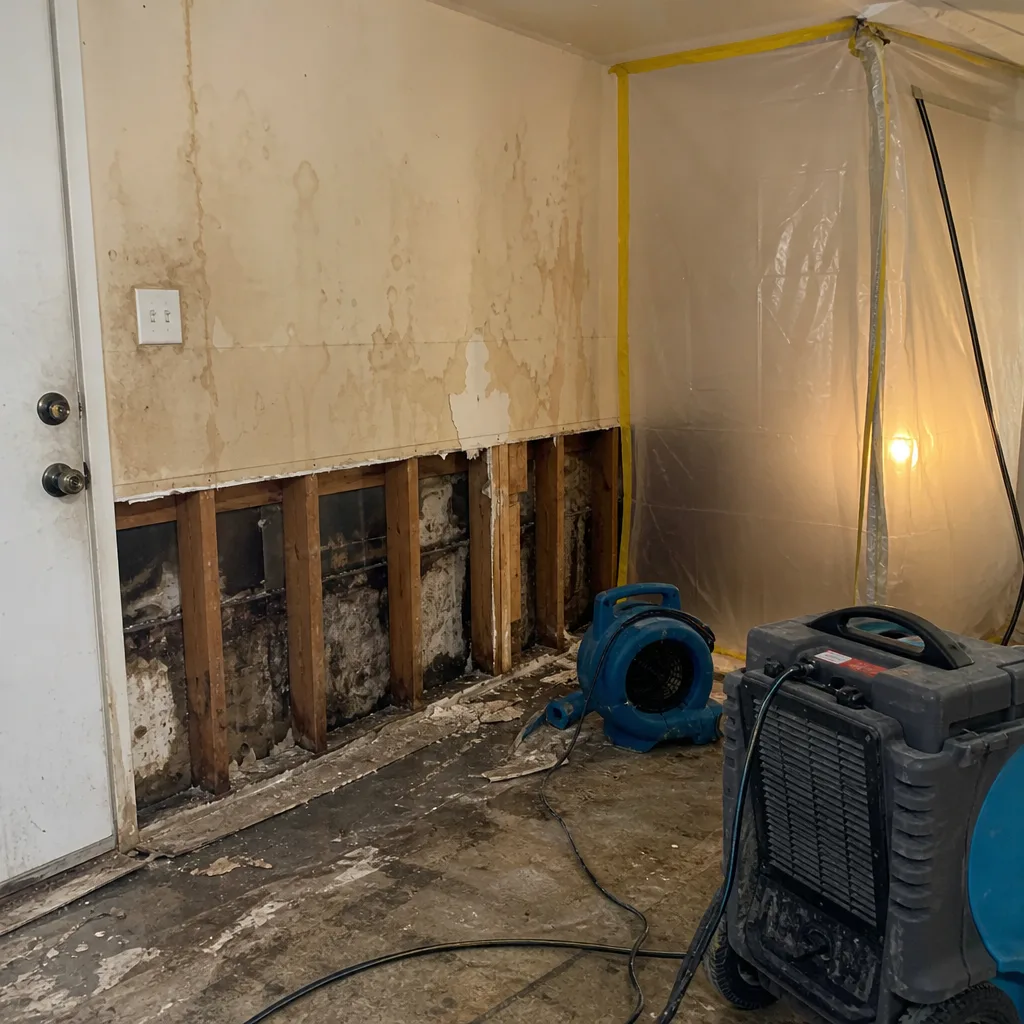 Before
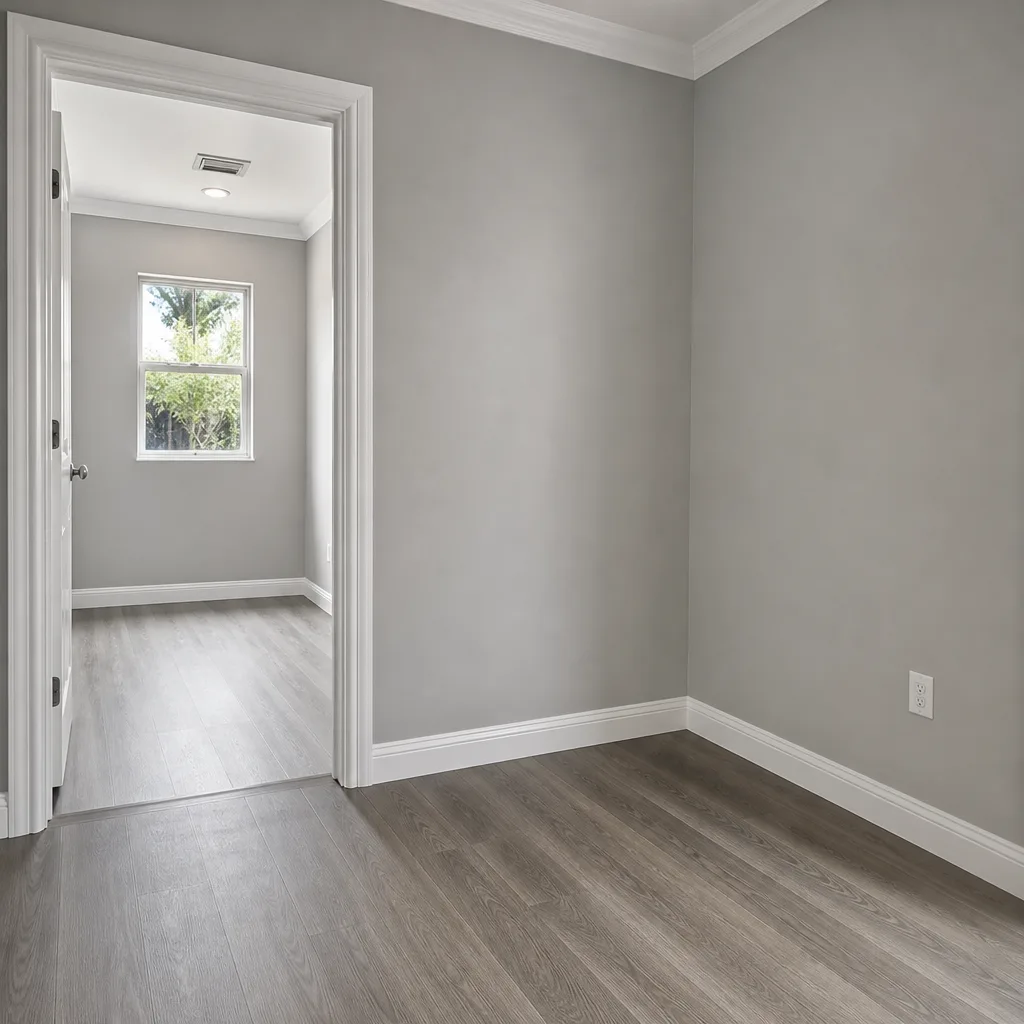 After
After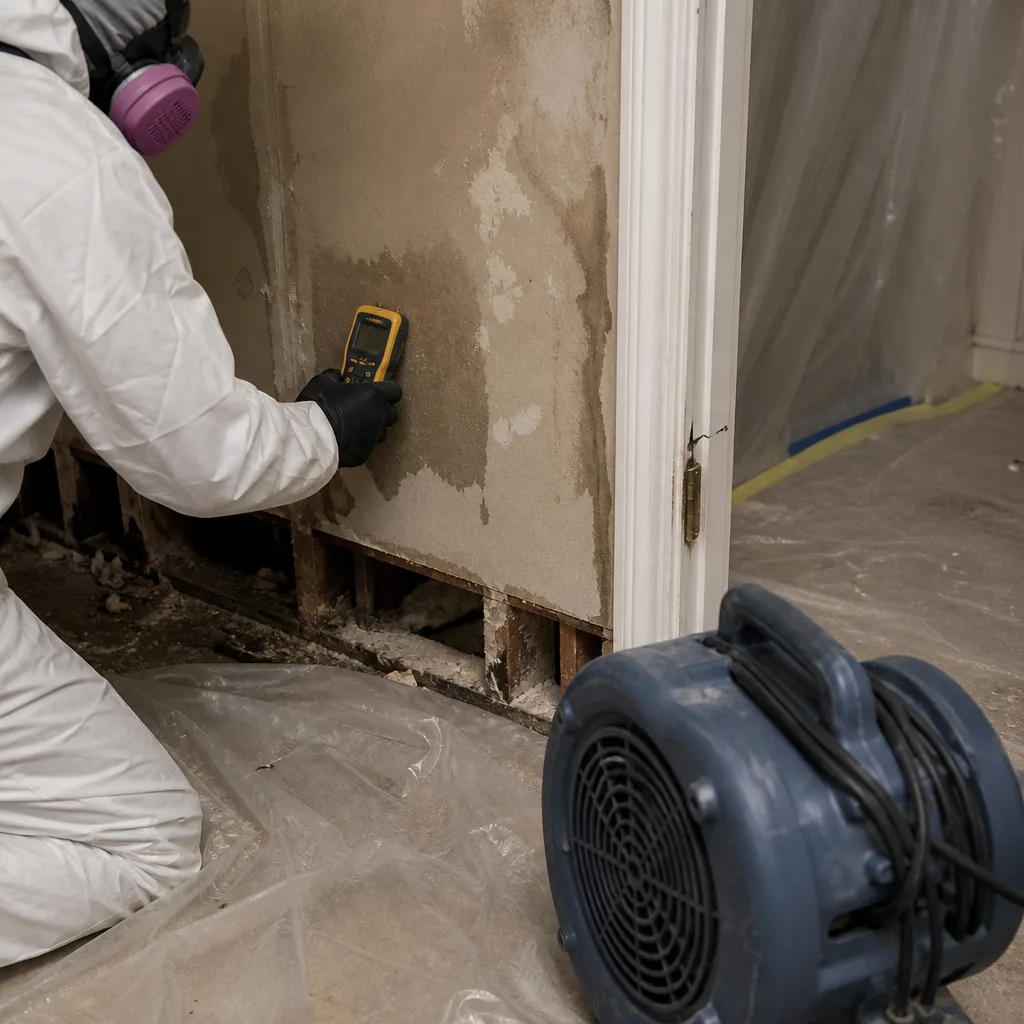 Before
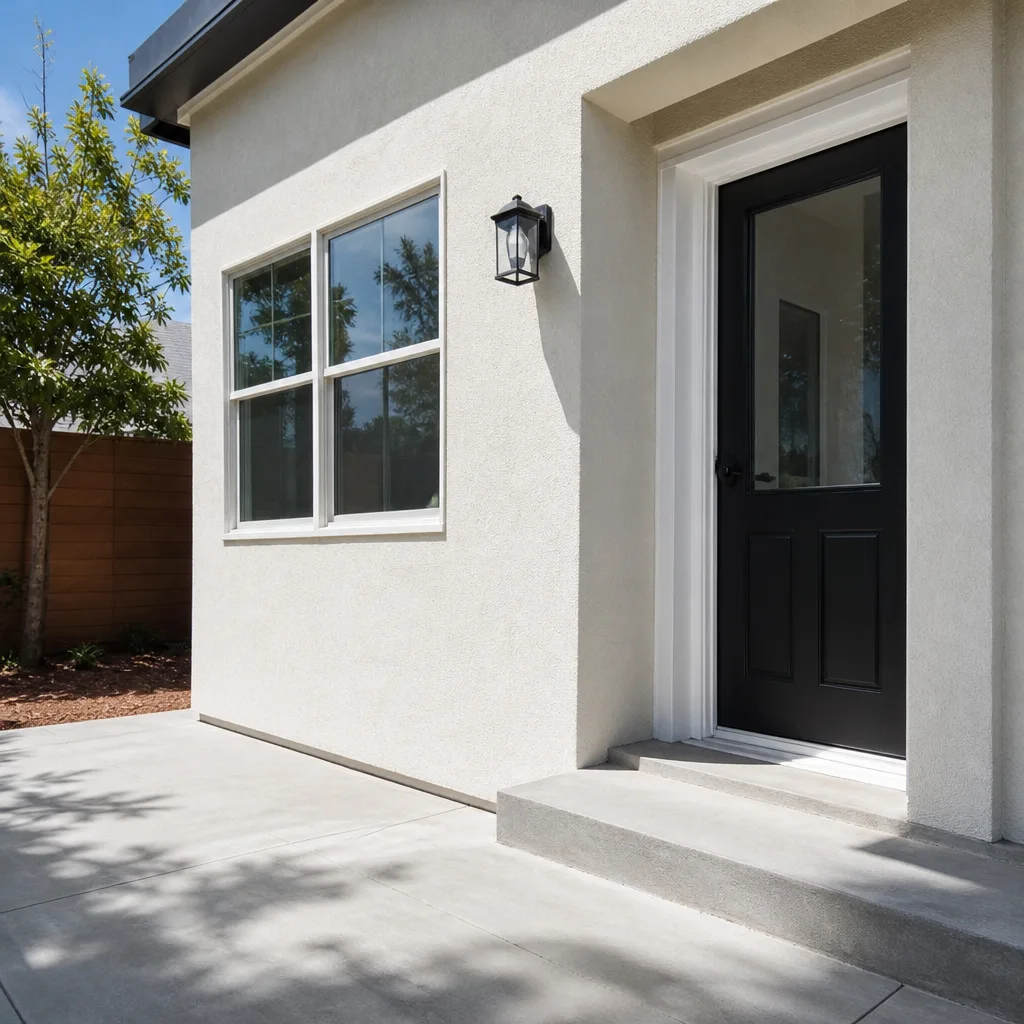 After
After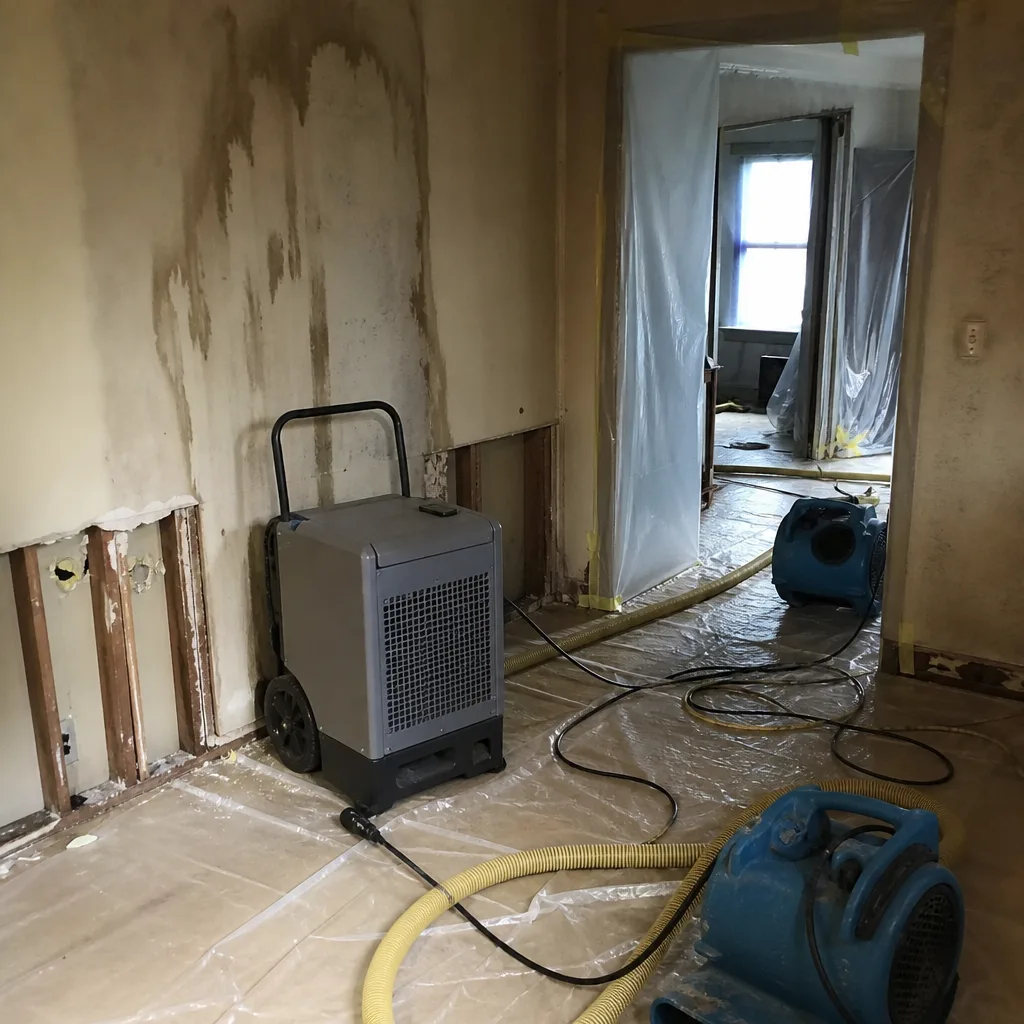 Before
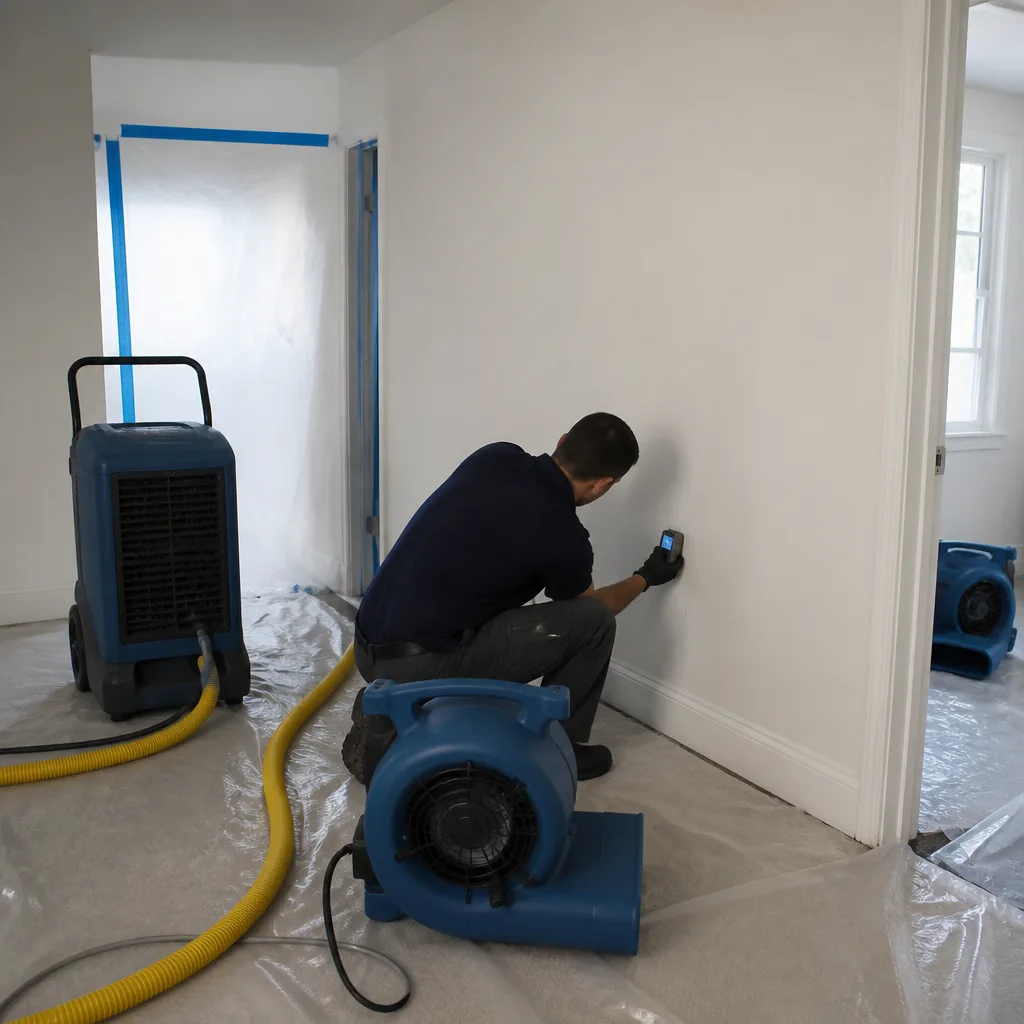 After
After